

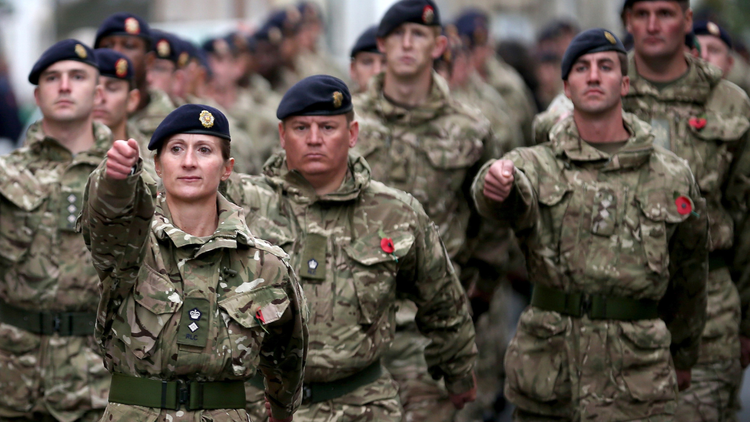
With experts increasingly warning that Putin is preparing for war with NATO, the prospect of World War 3 is seeming more and more real.
The Kremlin has issued some scary warnings to the West, and leaders are urging populations to be prepared.
However, in the case of a third world war, who would actually be fighting it?
READ NEXT: Pete Hegseth says US action in Venezuela is ‘complete opposite’ of Iraq
Military experts have long warned that army numbers are not high enough, with former MP and ex-British Army officer Dr Mike Martin warning that conscription would be needed.
“Would we need to conscript? Yeah, we would. Because ultimately, we’re not at a stage yet where you can replace people with drones,” he told the Big Issue earlier this year.
“We’re a long way off from that. Drones are fine, as far as they go, but you still need people to occupy villages, hold ground, and all the rest of it. And that’s not going to change for quite some time.”
Although Keir Starmer insisted that “nobody is talking about conscription” during an appearance on the News Agents podcast, it wasn’t that long ago that Rishi Sunak was proposing national service for all 18-year-olds.
General Sir Patrick Sanders issued a warning to the government just last year that Brits should prepare for conscription “within six years” if the threat of Putin’s Russia doesn’t go away.
So, if conscription was to come to the UK, which groups would be most likely to be drafted?
Who is likely to get conscripted if World War 3 kicks off?
Firstly, young and fit men are the most likely to get drafted in to serve, particularly those aged 18 to 25. In 1939, those aged 21 and 22 were conscripted before the war had even begun. Rules then changed to include men aged 18 to 41.
Single people without kids are also more likely to be drafted. In WW2, people without kids were drafted first, to avoid disrupting families.
Women are also likely to face conscription, despite previously never having been drafted for direct combat. In WW2, women aged 20 to 30 were drafted in for roles related to the war, such as nursing, munitions and auxiliary roles.
Whether women would be drafted in for combat roles is still uncertain, but a recent YouGov poll said 72 per cent of Brits support women on the frontlines.
Former soldiers and reservists are also likely to be drafted, as they already have the training needed to get going quickly.
If the war really dragged on, older people could be drafted in, with people aged up to 51 being drafted by the end of WW2. Those aged 52 to 60 also had to take on a role in civil defence, so no one could really escape their responsibilities.