

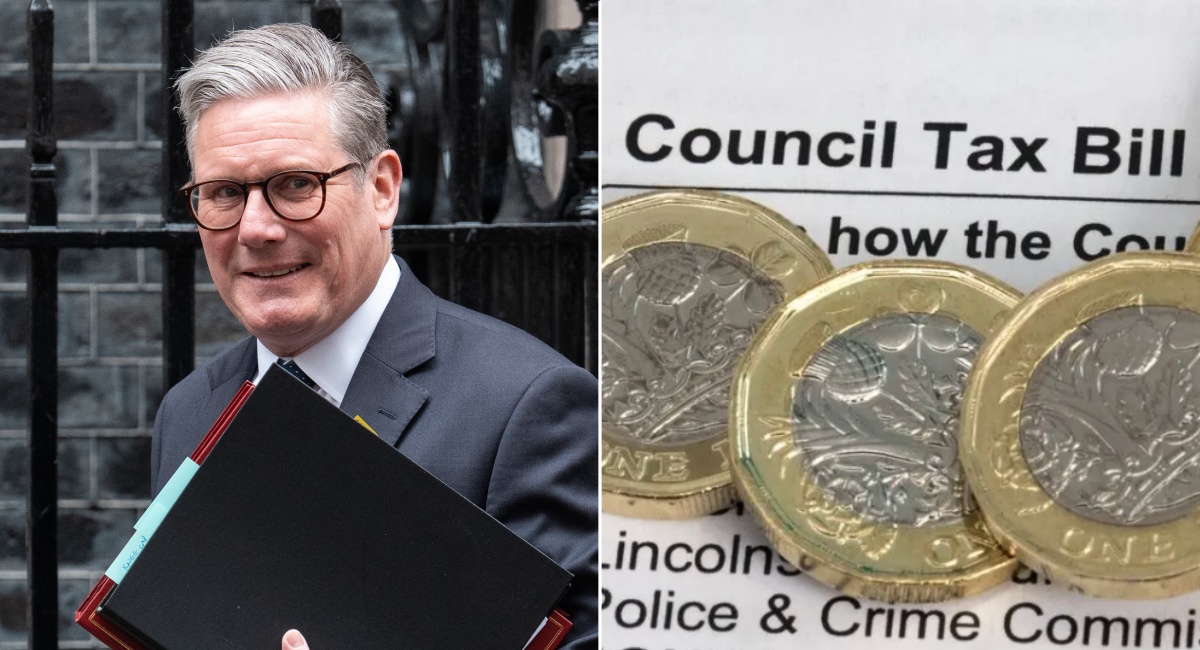
Following a major overhaul by the government to protect families from “aggressive” debt collection, millions of Brits are set for a massive council tax boost.
This week, ministers announced a wave of reforms designed to stop vulnerable people from being plunged into financial ruin over a single missed payment.
Anyone who misses one month of council tax can be forced to pay their entire annual bill in full just two weeks later, under the current outdated rules.
READ NEXT: Reform’s nightmare week of polling
However, from next year millions of households will be given roughly two months, or 63 days, to settle their bill before such drastic action is taken, as confirmed by the government.
Instead of just jumping straight to aggressive enforcement, councils will also be legally required to work with residents on a sustainable repayment plan.
A long-running campaign by Money Saving Expert Martin Lewis and his Money and Mental Health Policy Institute charity to fix the 33-year-old system preceded the shake-up.
To help with monthly budgeting, this will allow struggling families to spread the cost of their tax more thinly across the entire year.
By capping the cost councils can charge for a liability order at £100, the government is also moving to ban “rip-off” administration fees.
The move was hailed as a “huge first step” toward fixing a system that was “more vicious than the banks”, consumer champion Martin Lewis said.
“Council tax debt collection is so aggressive it’d make banks blush. It’s the most vicious and damaging form of legal debt collection out there – causing counterproductive misery for millions”, he added.
“We’ve spent the last 18 months campaigning hard to change this hideous system, and having seen so much pain caused by it, I’m genuinely moved by this huge first step towards making things better.”
“Currently, in England, if you miss a monthly payment, many councils, usually within three weeks, demand payment for the entire year.”
“How people who can’t find a month’s money are expected to find a year’s I don’t know. Yet if they can’t pay, within just three more weeks, they are often taken to court, have ‘admin costs’ added, and soon see bailiffs sent in”, he added.
Even though most changes come into effect next year, the government has warned that “proportionate action” will still be taken against those who simply refuse to pay.
The five changes to council tax billing, based on the government’s announcement, are the following:
More time to pay
Instead of being chased for a full year’s debt after just three weeks, you will now have 63 days (roughly two months) to settle a missed payment before councils can demand the entire annual sum.
A cap on court costs
Councils often add hefty “admin fees” when taking residents to court over unpaid bills, but these will now be capped at £100 to prevent debts from spiralling out of control.
12-month bills by default
Most bills are currently split over 10 months, but payments will now be automatically spread over 12 months to make the monthly cost lower and more manageable for families.
Ending the “SMI” stigma
The “Severely Mentally Impaired” discount is being renamed to “Significant Cognitive Impairment” to make it less offensive and easier for people with conditions like dementia or Parkinson’s to apply.
Standardised help
A single application form will be introduced across all of England for mental impairment discounts, replacing the confusing “postcode lottery” where every council had different, complex rules.
“Too many families are facing aggressive enforcement action, with people left terrified of bailiffs knocking on the door because one month’s council tax bill was missed”, Local Government Secretary Steve Reed.
“We will stop this and make the system fairer by supporting families who fall behind. In another major win, council tax billing will also be shifted to 12-month payments by default, instead of the traditional 10 months”, he added.
Meanwhile, Minister for Local Government Alison McGovern said: “We know the way council tax is run is outdated and confusing and has stopped some of the most vulnerable people from accessing the support they need.”
“Our changes will cut through the complexity and make sure that council tax is fit for the 21st century.”