

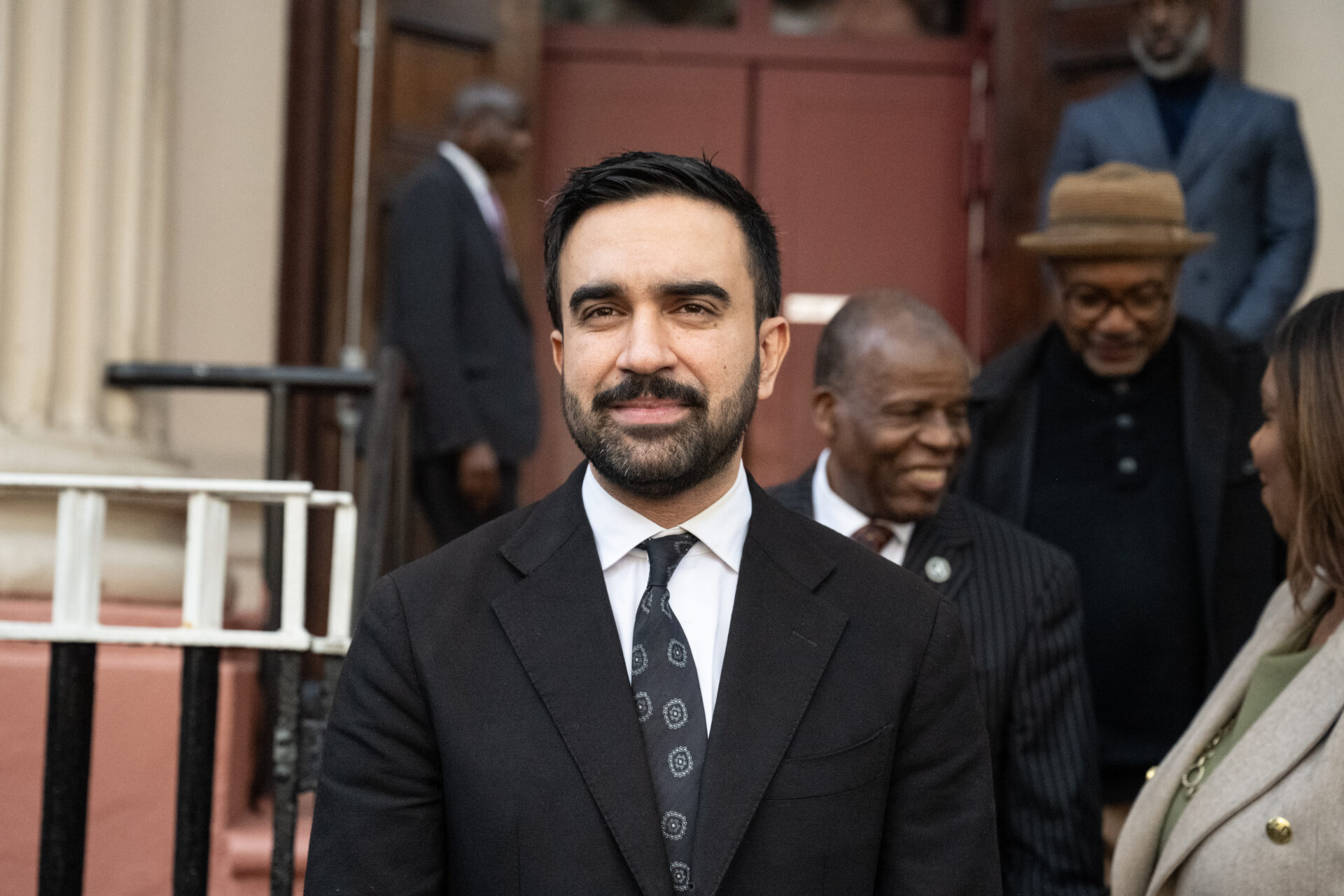
In a significant breakthrough for New York’s strained public finances, Mayor Zohran Mamdani has reached agreement with Governor Kathy Hochul on a new tax targeting ultra-luxury second homes owned by out-of-state residents. The measure, focused on properties valued above $5 million, is expected to raise around $500 million annually for the state.
The proposal – often described as a “pied-à-terre tax” – marks a rare moment of alignment between a democratic socialist mayor and a more cautious state executive. It also signals a shift in how policymakers are approaching inequality in one of the world’s most expensive cities.
At its core, the policy is simple: if you can afford a multi-million-dollar second home that sits empty for much of the year, you can afford to contribute more to the city that sustains its value. Governor Hochul has framed the tax as a matter of fairness, while Mamdani has welcomed it as a step toward balancing the books without burdening working New Yorkers.
That emphasis is key. Since taking office, Mamdani has argued that closing New York’s multibillion-dollar budget gap should not come at the expense of ordinary residents. Earlier proposals – such as broad property tax rises – risked doing exactly that, prompting backlash and forcing negotiations with Albany.
This deal suggests a different path is possible. Rather than across-the-board increases, it targets a narrow slice of extreme wealth: luxury properties owned by individuals who often do not live in New York full-time. These homes – sometimes referred to as “ghost apartments” – have long been criticised for contributing little to local communities while inflating housing costs.
Of course, opposition has been swift. Real estate interests warn the tax could depress property values or deter investment. But such arguments are familiar. Similar claims have accompanied virtually every attempt to tax wealth more fairly – and just as often, they have proven overstated.
What makes this moment politically significant is not just the policy itself, but the coalition behind it. Mamdani, elected on a platform of taxing the wealthy and expanding public goods, has managed to secure buy-in from a governor who has previously resisted broader tax hikes. That compromise – targeted, limited, but meaningful – may offer a template for progressive governance elsewhere.
For observers in the UK and beyond, the lesson is clear. Amid spiralling inequality and strained public services, governments are not powerless. With political will and strategic focus, they can shift the burden upward – toward those most able to pay – without destabilising the wider economy.
In that sense, New York’s pied-à-terre tax is about more than $500 million a year. It is a reminder that even in an era of fiscal constraint and political division, bold ideas can still find their way into law.
Another world is possible – and sometimes, it starts with taxing an empty penthouse.