

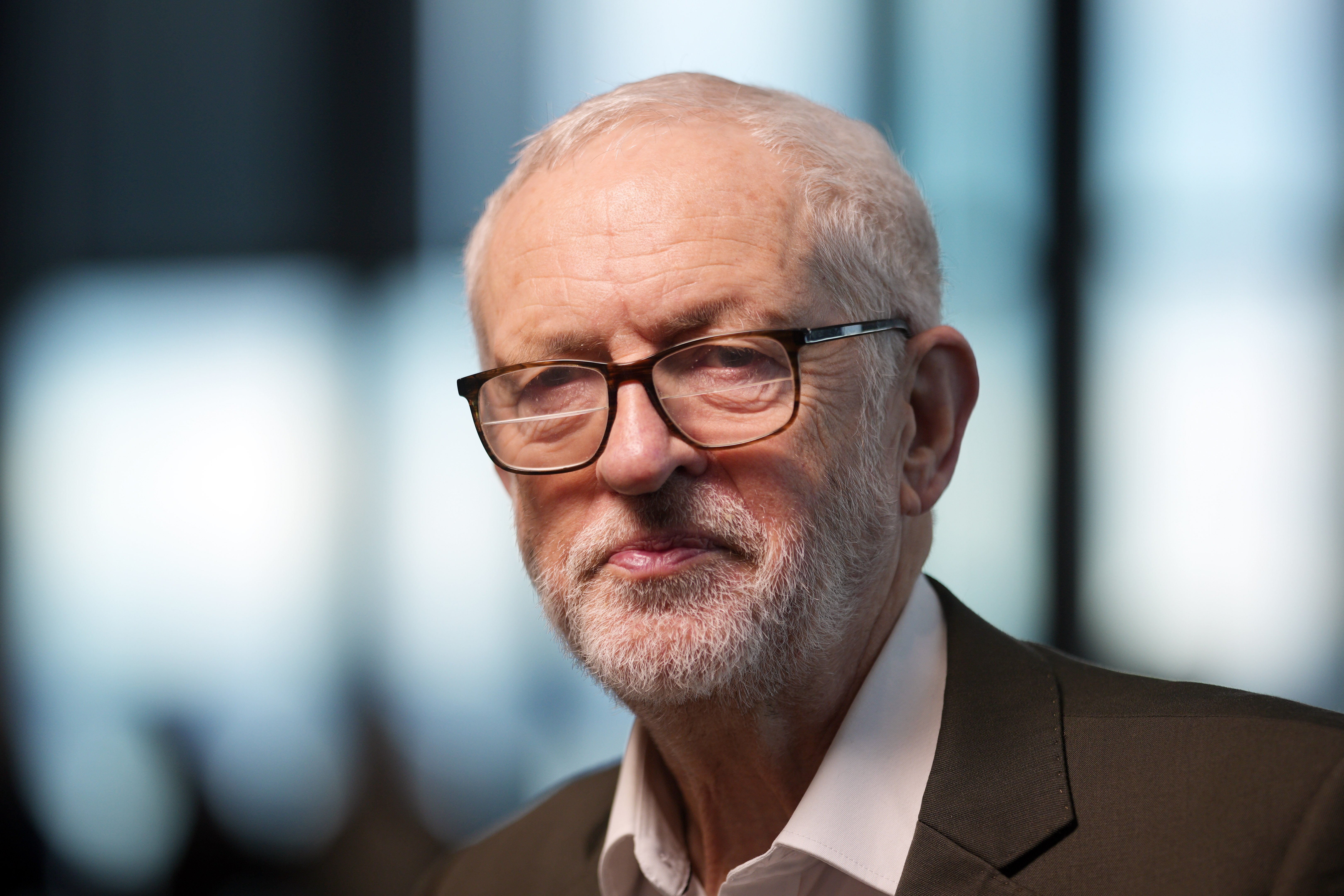
For years, British politics has operated on one unquestioned assumption: Jeremy Corbyn becoming prime minister would have been a disaster for the country. The economy would have tanked, investors would have fled and Britain would have become ungovernable. It is treated less as political opinion and more as accepted fact.
But looking around the world in 2026, that certainty suddenly feels a lot less certain.
Because some of the politicians who most closely resemble Corbyn ideologically are not presiding over ruin. In fact, they are enjoying growing popularity precisely because they are offering something modern politics rarely does – a vision people can believe in.
Take Zohran Mamdani in New York. The democratic socialist has built huge support around policies British commentators once dismissed as politically toxic: rent controls, wealth taxes, stronger unions and large-scale public investment. To many younger and working-class voters, he represents something increasingly absent from politics – hope.
Or look at Pedro Sánchez in Spain. Under Sánchez, Spain has embraced policies that would once have been branded dangerously left-wing in Britain: windfall taxes on energy firms, major minimum wage increases and stronger labour protections. The result has not been economic collapse, but one of the strongest-performing economies in Europe, with falling inflation and record employment.
Meanwhile Britain has spent the post-Corbyn years proving what exactly?
Since 2019, the country has cycled through a succession of supposedly “safe” leaders. We had the chaos of Liz Truss, the managerial drift of Rishi Sunak and now a government under Keir Starmer that appears terrified of offering anything genuinely transformative.
Public services remain broken. Housing is unaffordable. Living standards have stagnated for over a decade. And yet we are still told the real danger was Jeremy Corbyn.
This is not to argue Corbyn would definitely have succeeded in office. Politics is rarely that simple. There were weaknesses in his leadership and fierce resistance from much of the media and even his own party.
But the assumption underpinning modern British politics – that radical economic change is inherently reckless while continuity is inherently responsible – no longer survives contact with reality.
Because continuity is failing.
What politicians like Mamdani and Sánchez understand is that voters do not simply want competent management of decline. They want governments willing to materially improve their lives. They want ambition. They want the sense that politics can still change things for the better.
That was always the core of Corbyn’s appeal too.
Free university tuition, council house building, public ownership of failing utilities and large-scale green investment no longer sound wildly radical in a country where inequality has soared and infrastructure is visibly crumbling. If anything, they sound overdue.
Perhaps the real lesson of the Corbyn years is not that Britain narrowly avoided disaster.
Perhaps it is that the political establishment became so frightened by the prospect of meaningful change that it convinced itself stagnation was stability.