

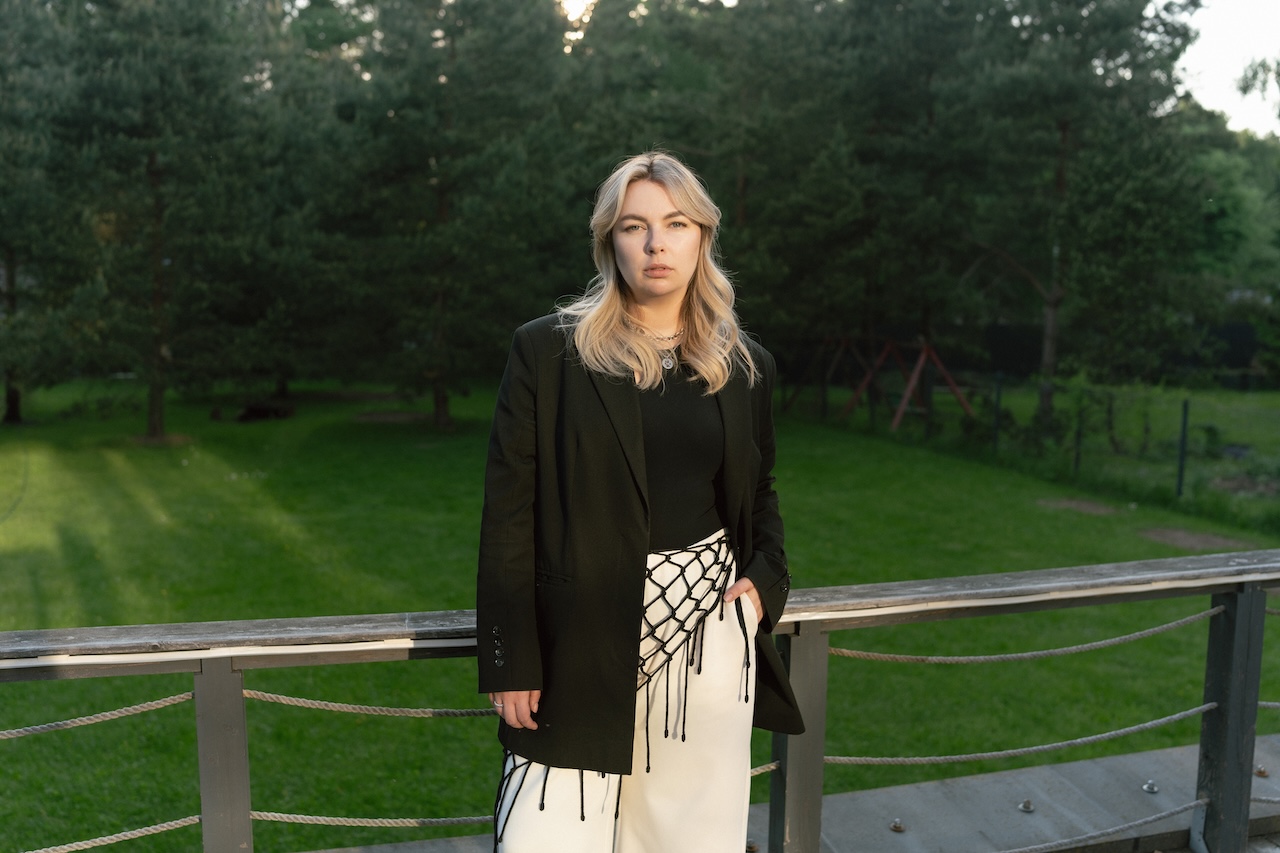
Just a few years ago, photographs of lawyers were perceived more as a formality for a company website or a LinkedIn profile. Today, however, visual image is becoming part of professional communication and influences the first impression of a specialist no less than public speaking or client recommendations.
About how the visual code of the modern lawyer is formed and why a unified style is becoming an important part of the reputation of law firms, we spoke with Valeriia Volodina — a manager in photography and style for the legal industry. After more than 12 years of work in the legal sphere, she focused on visual management for attorneys, consultants, and legal teams, helping build a professional image through photography and content.
Lawyers are usually not the ones who are first to sign up for a photoshoot. How do you explain to them the importance of visual image?
— The legal profession is largely built on trust. Before the first meeting, a client already forms an impression of the specialist through the firm’s website, social media, or publications. And photography becomes one of the first points of contact. If the visual image looks random or outdated, this can affect the perception of the expert. People pay attention not only to experience and cases, but also to how confident and professional a person looks.
How much does your legal experience help in your current work?
— It helps a lot. I understand the specifics of the profession from the inside: the level of responsibility, the communication особенности, the expectations of clients. Therefore, working with visual image for me is not only about aesthetics. It is important to show the character of the specialist, their approach to work, the level of trust they are capable of inspiring. I think it is precisely my legal background that helps me speak the same language with clients.
You call yourself a manager in photography and style for the legal industry. What does this work include?
— It is a broader process than simply organizing a photoshoot. We work with the visual system of the brand: we think through the style of photographs, recommendations on clothing, colors, the atmosphere of the shots, content for the website and social media. Sometimes it is about creating a unified visual style for an entire legal team. Essentially, this is work at the intersection of photography, branding, and professional communication.
So photography today becomes part of a lawyer’s promotion strategy?
— Yes, especially in large cities and competitive market segments. Now people choose specialists not only rationally, but also emotionally. Visual image helps create a sense of competence, openness, or, on the contrary, emphasize strictness and status. Therefore, photography long ago stopped being simply a “beautiful portrait.”
You often use the term “visual code.” What does it mean?
— It is the combination of details thanks to which a person is perceived in a certain way. Pose, facial expression, color palette, light, composition — all of this influences perception. One lawyer wants to look максимально strict and distant, another more modern and open to communication. It is important that the visual image corresponds to the person’s specialization and to how they want to position themselves in the market.
What mistakes are most often found in the visual communication of law firms?
— Probably the main problem is the absence of a unified system. For example, the website is designed in one style, while employee photographs look completely different from one another. Because of this, the brand is perceived as fragmented. Another common story is overly template-like business portraits that do not differ from each other in any way. Today audiences perceive individuality and naturalness much better.
Can photography really influence the career perception of a specialist?
— In my opinion, yes. I have seen situations where, after updating their visual profile, specialists began developing their public presence more actively, speaking more often, and managing social media more confidently. Of course, photography by itself does not replace professionalism, but it can strengthen the right impression and help a person feel more confident in the public space.
How do you work with people who do not like being photographed?
— In reality, most clients are like that. Especially among lawyers, because they are used to controlling everything and rarely feel relaxed in front of a camera. Therefore, preliminary communication is important for me: to understand the person, their character, how they are used to interacting with people. When trust appears, the photoshoot becomes much easier and more natural.
How do you see the development of this sphere in the future?
— I think visual management will become a familiar part of the legal business. Already now many companies understand that a unified team style influences brand perception. Perhaps over time separate specialists will appear in law firms who are responsible specifically for visual communication and professional image.
If you had to choose again between jurisprudence and the visual sphere, what would you choose?
— Probably I would go down this path again. Right now I like that I can combine understanding of the legal environment with visual work. In a certain sense, I did not leave the profession completely, I simply began looking at it from a different angle.
Your advice to young lawyers who want to look professional and modern?
— Do not treat visual image as something secondary. It is part of professional communication, especially in the digital environment. Sometimes the first impression of a specialist is formed even before personal acquaintance, and it is important that the visual image supports the reputation that a person builds through their work.