

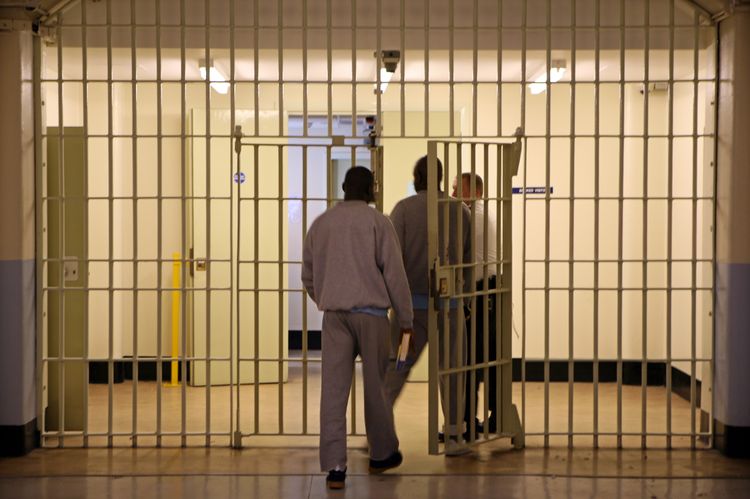
This week, the UK government’s plan to scrap most short-term prison sentences came into effect.
In what is one of the most significant changes to the UK jail system in decades, offenders who would have received short-term jail sentences are now more likely to receive suspended sentences instead.
The change means that courts must halt handing out short term prison stints, except for in a number of specific or exceptional circumstances.
It comes as part of the Sentencing Act 2026, which MPs passed in January.
The new rules apply to those who are convicted from today onwards, meaning those who were previously convicted but are yet to be sentenced will not benefit from the reforms.
Government statistics indicate there are around 6,000 people serving short-term sentences in jail at any one time, on average.
Whilst some may question why people convicted of certain crimes will now escape prison sentences, here’s why the move actually makes a lot of sense.
Lower rates of reoffending
Short jail sentences are widely seen as ineffective at stopping crime. Data released by the Ministry of Justice last July showed that for the prison cohort of July to September 2023, 62% of inmates released after serving sentences of less than 12 months went on to reoffend.
Experts argue the sentences don’t give enough time for rehabilitation, education, or treatment, and that community sentences are more effective at changing behaviour.
Better rehabilitation and reintegration
Short-term prison sentences can have a catastrophic impact on people’s lives. After just a few weeks in prison, people can lose homes, jobs and family ties, leaving them with little support when they’re released and making them more likely to fall into crime again.
Community-based punishments allow people to keep homes, jobs and access to support services they might already be using.
Prison overcrowding
It’s no secret that there’s a major overcrowding issue in the UK prison system. According to government figures, the prison system will be 9,500 places short by early 2028 without reform to the system.
Over recent years, early releases have been carried out to reduce overcrowding as well. The move to scrap short-term sentences will free up space for the most serious and dangerous offenders and help prevent a system breakdown.
Short-term sentences are inefficient
In a set of proposed reforms to criminal sentencing submitted by former justice secretary David Gauke last year, he highlighted how short-term sentences come with high costs. Money saved on short-term sentences being scrapped would be better spent on funding probation and charity services.
Focus on prevention rather than punishment
Scrapping short-term jail sentences is a key part of a wider move to focus on crime prevention instead of punishment. The government wants more focus on punishments more effectively tailored to offenders, such as bans on attending public events and drinking establishments.
The goal is to reduce crime overall long-term instead of briefly punishing offenders who are then released unchanged.