

Europe is brimming with distinctive and fascinating destinations. From world-famous landmarks to lesser-known treasures, the continent’s remarkable diversity is what makes it the most visited region on the planet.
Research from Condor Ferries shows that Europe draws in around 50% of global tourist arrivals. While many travellers gravitate toward popular hotspots such as France and Spain – the two most visited countries in the world – there’s far more to discover beyond the usual routes.
Stepping off the beaten path can be richly rewarding. Those who do are often met with sweeping mountain landscapes, outdoor adventures in every season, and storybook alpine villages that feel like closely guarded secrets.
Related: Tourist asks where Brits in Europe are most unwelcome and everyone gives the same answer
Nestled in between the popular destinations of Switzerland and Austria, Liechtenstein is a tiny nation of just 160.5 sq. km and 39,000 people in the heart of the Alps.
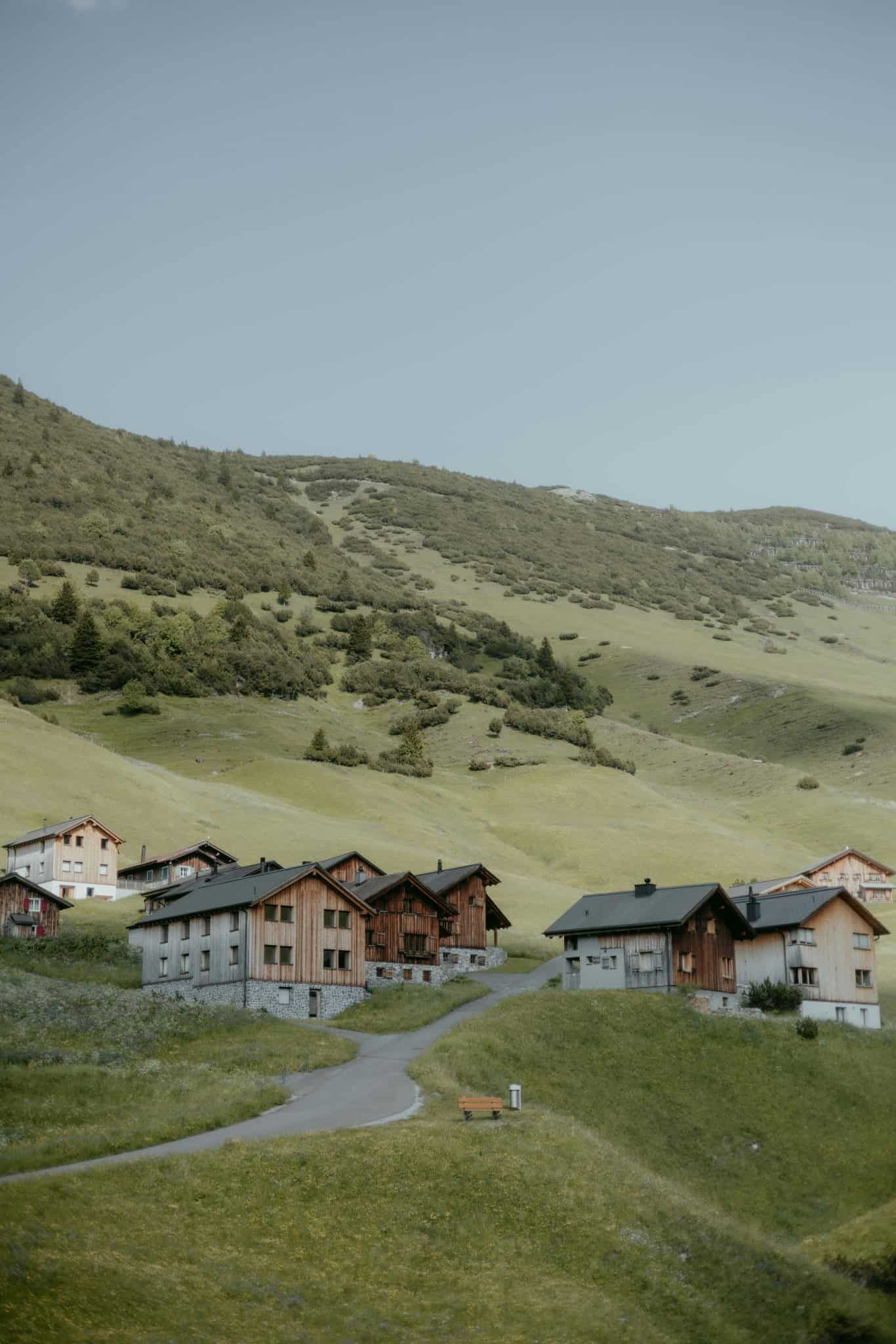
According to the United Nations World Tourism Organization (UNWTO), Liechtenstein only welcomed 101,000 tourists in 2022, considerably less than similar micro-nations such as San Marino and Monaco.
This idyllic country is in the perfect location for skiing in the winter and outdoor activities in the summer, although does not appear to capitalise on these offerings in the same way similar size nation Andorra does.
Despite only having a population of 80,000, Andorra sees 8 million people visit per year.
One explanation for this might be the country’s limited tourism facilities, only having 33 hotels in the entire nation and 1,357 available beds.
Meanwhile, its economy mainly focuses on banking, finance, manufacturing and construction, making tourism only a small player in a larger picture.
Furthermore, the nation is not easy to access.
Not having an airport, the nearest cities to fly in to are Zurich (Switzerland) and Friedrichshafen (Germany). Although if you are desperate to visit you can charter a helicopter to Balzers Heliport inside the nation.
There is train accessibility, but this line is run by the Austrian national railways and is not massively frequent, so some planning will be needed.
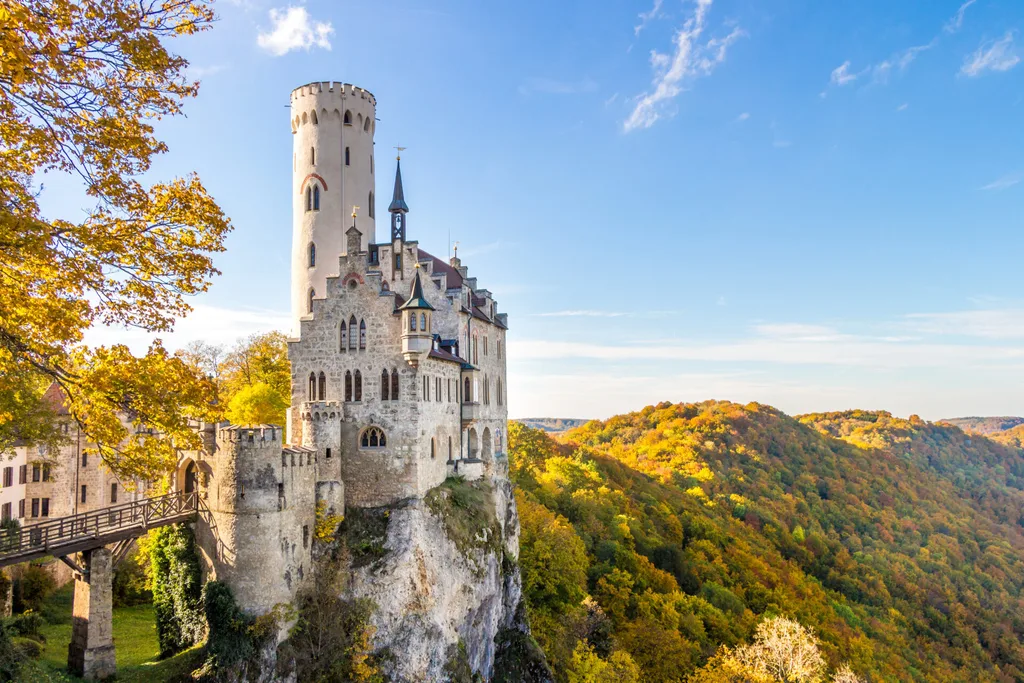
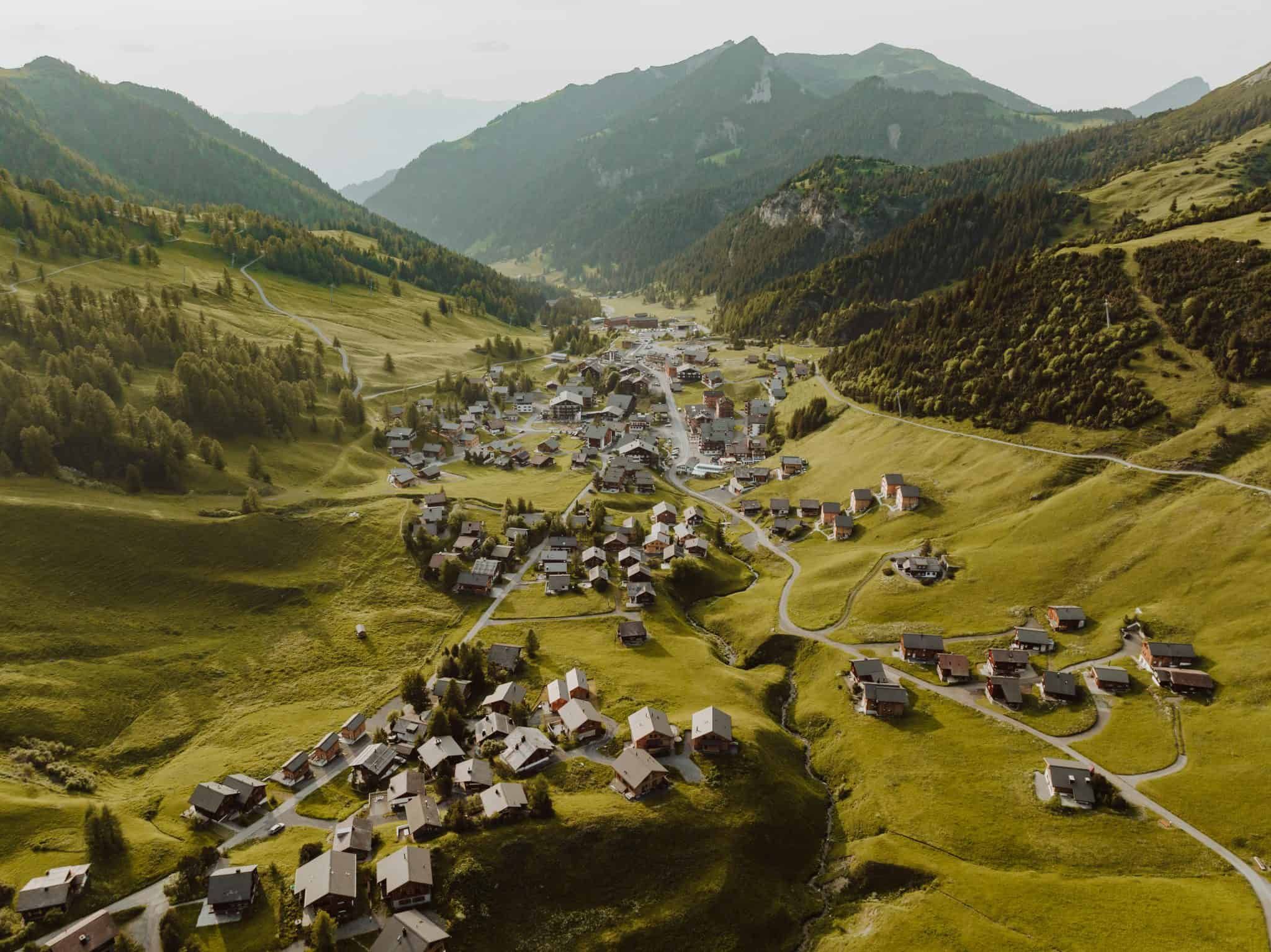
Once arrived however, the destination will be worth the effort, boasting a royal castle, a 2,599m tall mountain known as Grauspitz, old alpine architecture and rows of vineyards in the Rhine Valley.
Liechtenstein is a principality, meaning it is ruled by a Prince, (the Prince of Liechtenstein) with its capital being Vaduz.
The micronation has a very close relationship with neighbouring Switzerland which has accepted the role of safeguarding the interests of Liechtenstein since 1919.