

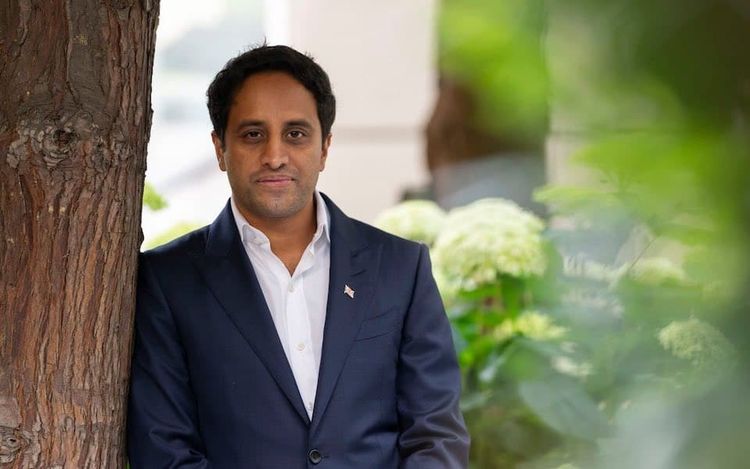
Reform UK’s latest attempt to look like a government-in-waiting has taken a predictably surreal turn – with one of its most senior figures, Zia Yusuf, reportedly styling himself “shadow Home Secretary” despite not being an MP and despite Reform not being the official opposition.
The confusion stems from Nigel Farage’s announcement this week of a so-called Reform “shadow cabinet”, with former Conservative minister Robert Jenrick named “shadow chancellor”, Richard Tice given a business and energy super-brief, and Yusuf handed the home affairs portfolio. The move is widely seen as an effort to project credibility and counter accusations that Reform is a one-man band.
But there’s a rather obvious constitutional snag: Reform UK is not the opposition. In Westminster terms, the title “shadow Home Secretary” has a specific meaning – it refers to the frontbench spokesperson of the Official Opposition, currently the Conservative Party. Reform, with only a handful of MPs, simply does not qualify.
Even more striking is Yusuf’s personal situation. Unlike Jenrick or Tice, he is not an elected parliamentarian at all. A wealthy businessman and major donor who previously served as Reform chair, Yusuf has played a significant internal role in shaping party policy and strategy, but he has never won a Commons seat.
That makes his adoption of the “shadow Home Secretary” label less a constitutional reality and more a branding exercise — a political cosplay designed to create the impression of institutional legitimacy.
To be fair, Reform has not hidden the fact that these roles are essentially spokesperson positions rather than formal parliamentary offices. Reports around the announcement note that the party’s frontbench is informal precisely because of its limited representation in the Commons.
Still, Yusuf updating his bio to mirror an official ministerial title illustrates the broader strategy at play: act like a government, hope voters start to believe it.
Whether the electorate will buy that illusion is another question entirely. Britain’s constitutional system – stubbornly – still runs on elections.