

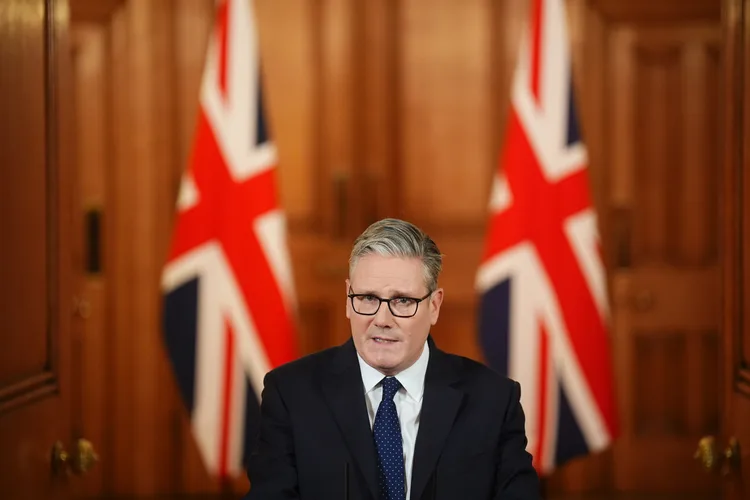
Labour’s chances of winning the next election are looking gloomier than a dark winter evening.
Reform UK continue to dominate the polls – with some giving them as much as a 17-point lead over Labour – and pick up wins in council by-elections. Dissatisfaction with Keir Starmer has reached record levels and the sense of drift is starting to feel terminal.
Part of the problem? The economy. Growth is anaemic, the fiscal outlook is grim, and Labour are now trusted less than Liz Truss on the economy, following Rachel Reeves’ budget in November.
READ NEXT: A Tory–Reform election pact would be doomed to fail
And lurking in the background like a bad hangover is Brexit. Independent estimates now suggest that leaving the EU has cost the UK around £90 billion in lost tax revenues – money that could have funded the NHS, cut taxes, or, frankly, kept the lights on in struggling town halls. It’s the slow bleed that no one in Westminster really wants to talk about, especially not the Labour leadership.
But maybe they should.
Back in 2015, David Cameron threw the dice with a referendum pledge and, love or loathe the outcome, it helped secure him a majority. Starmer could do something similar now – except the public mood has shifted. Only 29 per cent of Britons would back Brexit if the vote were held again, according to the latest polling, and only 11% believe leaving the EU has been a success. The tables have turned.
A second referendum on EU membership would be audacious, risky, and guaranteed to dominate the campaign. It would also give Labour something it desperately lacks: a defining, future-shaping offer. For wavering Remain voters, younger generations, and businesses battered by red tape and export losses, it could be the rallying cry they’ve been waiting for.
Yes, it would ignite a political firestorm. Yes, Reform and the Conservatives would howl betrayal. But right now, Labour is in danger of going into an election armed with nothing but managerial competence and a vague sense of “not being the other lot.” That’s not enough when the polls are this bad.
It seems Labour and Keir Starmer are realising the political gains to be made by closening ties with the EU. The prime minister has stated that Brexit “hurt our economy” and called out “how it was sold and delivered.”
Even right-wing voices think it makes sense. As the Telegraph’s Poppy Coburn recently said, it’s a “complete no-brainer” for political reasons, as a move that would galvanise the centre left and “radicalise progressive England.”
If Starmer wants to change the conversation – to turn the contest on its head – the answer might be staring him in the face. Ask the country the question again.