

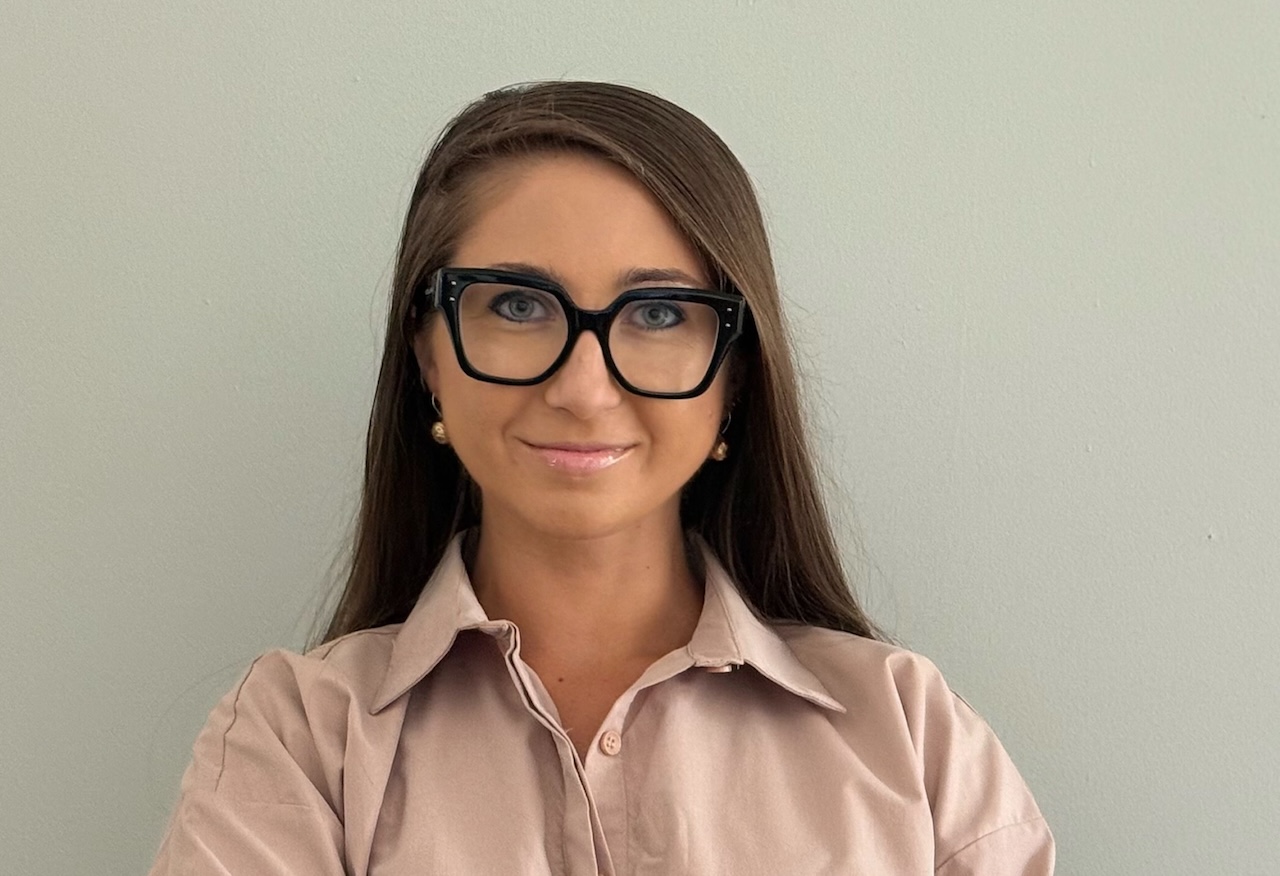
The global electrolysis market is experiencing steady expansion, driven increasingly by medical necessity rather than purely cosmetic goals. According to market research, an alarming rise in hormonal disorders among women — such as Polycystic Ovary Syndrome (PCOS) — is a primary catalyst for this growth. As awareness increases, patient demand for FDA-recognised permanent hair removal has surged. However, this rising demand exposes a critical gap in the industry: a shortage of specialists trained to handle complex endocrine cases. To understand how clinical protocols are evolving to address the psychological and physical burden of hirsutism, we spoke with Marta Ivaskevych, a specialist in medical electrolysis and complex case management. Founder and head clinician at IMS Electrolysis, researcher, and educator, Marta Ivaskevych specialises in clinical management for this specific demographic — people with PCOS, thyroid disorders, diabetes, and cancer. At the 9th Annual Congress on PCOS and Fertility in London, her presentation on the comprehensive approach to such cases was honored with the Inspiring Patient Advocate Award. We talked about why hirsutism should be considered a serious medical condition, what protocols are needed for patients with complex histories, and how her personal experience influences her career.
– Despite the variety of methods for removing unwanted hair, the demand for electrolysis is steadily growing. How do you explain this?
– One of the key drivers behind the rapid growth of the global electrolysis market is the alarming increase in hormonal disorders among women, particularly Polycystic Ovary Syndrome (PCOS). As awareness of these conditions increases, more patients are actively seeking truly permanent solutions. Another major factor is the growing realisation that laser hair removal is often ineffective for hormonally stimulated hair growth in women. In many cases, laser treatments may even worsen the condition by triggering paradoxical hypertrichosis. We are also seeing rapidly increasing demand from transgender patients undergoing gender-affirming care, as electrolysis remains the only FDA-recognised method of permanent hair removal.
– Your work focuses on helping hirsutism patients with complex medical histories, including PCOS, diabetes, post-cancer recovery, and gender transition. Does the electrolysis industry currently have enough resources to meet the needs of these patients?
– The demand for specialised electrolysis services for patients with complex medical and hormonal conditions is extremely high. In my clinical practice, I work with patients affected by PCOS, insulin resistance, thyroid disorders, diabetes, post-cancer hormonal changes, and transgender individuals. Excessive hair growth becomes a serious psychological and social burden that directly affects self-esteem, socialisation, and overall quality of life. At the same time, there is a major shortage of specialists who are properly trained to work with medically complex cases and understand the endocrine and dermatological factors involved. As a result, patients often spend years searching for appropriate care.
– In your work as an electrologist, researcher, and educator, you often address the psychosocial impact of hirsutism. Last year, at the PCOS and Fertility Congress in London, you noted that this burden is still underestimated by the clinical community. What do you see in practice, how serious is the problem for patients?
– In many healthcare settings, excessive hair growth is still treated as a minor cosmetic concern rather than a condition that can severely affect a patient’s psychological well-being. One of the most important patterns I observe is that many women seek medical help long before they come to an electrologist. Unfortunately, many report being told that their condition is ‘normal’ or not medically significant. By the time they arrive at my clinic, they are often already emotionally exhausted. Many have lost self-confidence, withdrawn socially, and in some cases are experiencing anxiety or depression. I have had numerous situations where women begin crying during consultation simply because of the emotional weight they have been carrying for years. This highlights how deeply underrecognised the psychological impact of hirsutism truly is.
– Your presentation at the Congress was honored with the Inspiring Patient Advocate Award. The focus of your talk was the need to improve patient management protocols through the multidisciplinary integration of gynecologists, endocrinologists, and aesthetic dermatology specialists. Tell us about the core of your approach?
– At the moment, patient care is often fragmented. Gynecologists focus on reproductive aspects, endocrinologists on lab values, and aesthetic specialists are usually consulted only at a late stage. However, hirsutism sits exactly at the intersection of all these fields, and this fragmentation leads to delayed care. The approach I propose is a structured multidisciplinary pathway where patients are assessed and supported collaboratively from the beginning. This includes gynecologists and endocrinologists for hormonal evaluation, dermatologists and electrologists for evidence-based hair removal planning, and when necessary, mental health professionals. This integrated model would reduce the time patients spend navigating ineffective treatments, prevent emotional deterioration caused by dismissal of their condition, and ensure that treatment is psychologically supportive.
– Many patients who need permanent hair removal decline electrolysis, considering it too expensive of a procedure. At the same time, your research “Clinical Efficiency of Electrolysis and Laser Hair Removal in PCOS Patients” published in the American Journal of Medical Science and Pharmaceutical Research shows that a full course of electrolysis ultimately proves more cost-effective than laser treatments. How do you manage to build a transparent economic argument when communicating with patients?
– Patients who raise the topic of high cost can usually be divided into two very different groups. The first group consists of those who have been planning and saving for electrolysis for a long time. For them, this is often a deeply personal concern, and they are fully committed to completing treatment. In these cases, we usually design a more intensive treatment plan to achieve visible results within a shorter timeframe. The second group includes patients with more limited financial flexibility. Here, my approach is to meet the patient where they are, without compromising clinical effectiveness. Instead of focusing on intensity, we adjust the strategy – for example, by prioritising one specific area first and gradually expanding treatment over time. A sustainable treatment model requires adapting the plan to the patient’s financial realities without compromising clinical outcomes.
– You have developed and patented your own skincare line designed to accelerate regeneration after electrolysis. Was this step prompted by the fact that there are not enough effective post-procedure care products on the market?
– My work is focused on patients with complex medical conditions, in whom skin recovery after electrolysis is significantly more challenging due to increased sensitivity. In addition, many aesthetic professionals were facing a similar challenge – patients with hormonal disorders often experience unpredictable healing responses after aesthetic procedures. Observing this gap led to the development of a targeted post-procedure skincare line. Clinical settings that have integrated specialised aftercare into their protocols report improved patient comfort, faster recovery, and better client retention.
– Before the interview, you mentioned that your path in the industry was hindered by a shortage of structured training, which required you to independently develop many clinical protocols based on hands-on experience. Do you have any plans to launch your own training center — perhaps with a focus on handling medical cases?
– You are right; throughout my career, I have faced a consistent structural gap in the electrolysis industry – the lack of standardised, in-depth education for working with medically complex cases. Existing basic training programs often focus primarily on technical skill, without sufficient emphasis on dermatological conditions, endocrine disorders, or patient psychology. For this reason, my long-term goal is to establish a specialised training center focused specifically on medical electrolysis and complex case management. The curriculum I envision would go far beyond basic training. It would include modules on endocrinology in the context of hair growth disorders, dermatological principles of skin healing, infection control, contraindications, and patient communication strategies for psychologically vulnerable clients. The broader objective of such training programs is to transition electrolysis from a purely technical service to a medically integrated discipline.
– You have openly shared your own challenging journey with PCOS and ineffective hair removal treatments. How has the transition from patient to specialist shaped you as a clinician and researcher?
– My personal experience remains a very significant part of who I am today, both as a clinician and as an advocate. When I meet patients today, I do not see their condition only as a cosmetic concern. I understand the fear, frustration, and emotional exhaustion behind it, because I have lived through the uncertainty and the feeling of not being fully understood by the medical system. At the same time, I have transformed that personal experience into structured clinical and research-driven work. It motivated me to study the limitations of laser hair removal in hormonally driven cases, to publish research on electrolysis effectiveness in PCOS patients, and to develop more effective treatment protocols. Integrating patient experience with clinical practice and research helps optimise treatment protocols. It underscores the necessity of moving beyond standard cosmetic approaches to provide comprehensive, multidisciplinary care for women dealing with hirsutism.