

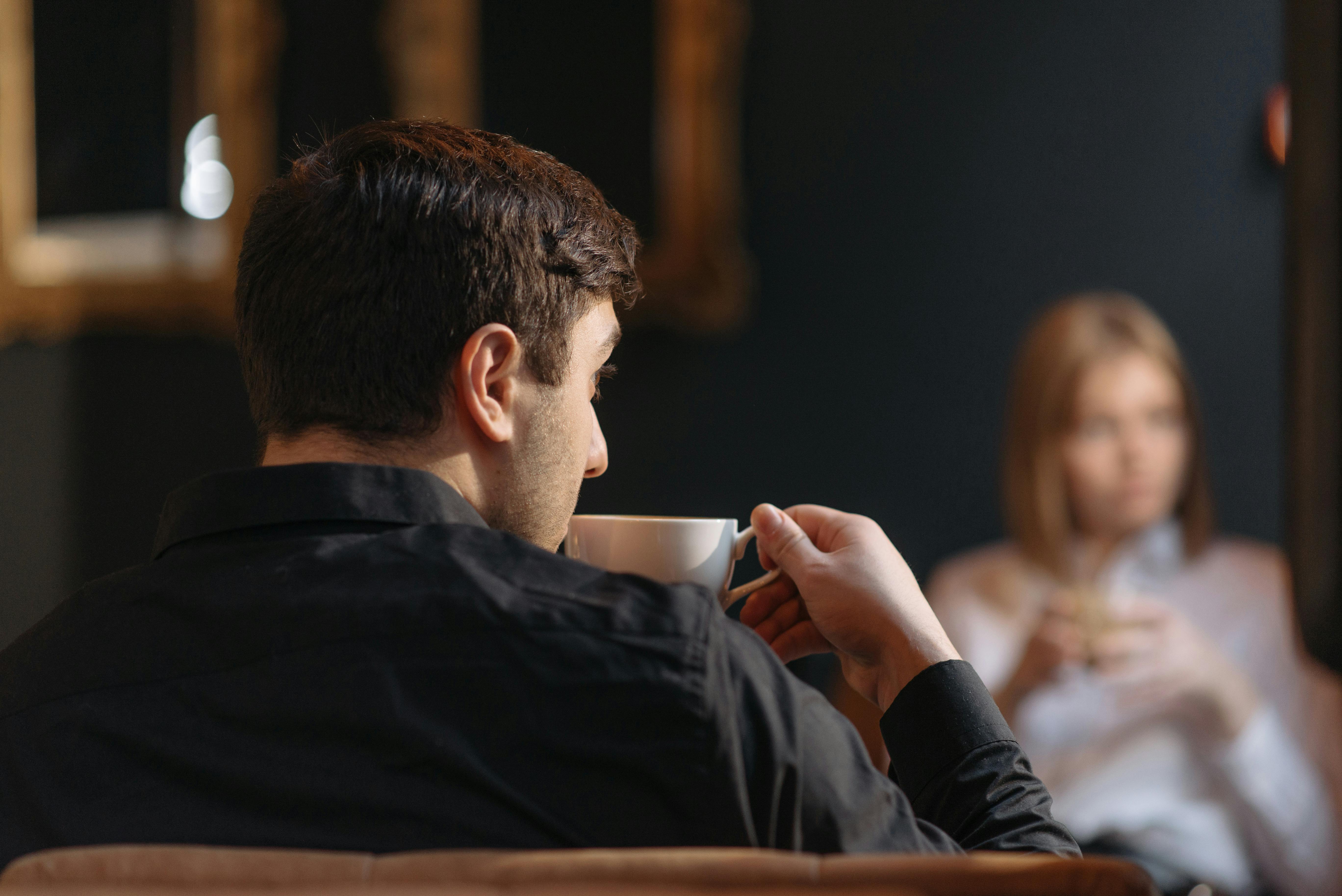
Britain’s inability to switch off is no longer just a bad habit – it’s becoming a national condition.
New research from McVitie’s has revealed that almost half of Brits (46 per cent) feel guilty for taking time out of their day, while more than half (54 per cent) say they feel pressure to always be “on”.
At first glance, it reads like another survey about burnout and modern stress. But beneath the headlines is something more revealing: a growing sense that rest itself is starting to feel undeserved.
The study found that busy working days, endless life admin and packed home routines are leaving people unable to pause without guilt creeping in. Nearly half of those surveyed said taking a moment to stop can feel “indulgent” or “unproductive”, while a third admitted they actually apologise for taking breaks altogether.
That alone should ring alarm bells.
We are living through an era where productivity has quietly colonised almost every corner of daily life. Smartphones have erased the boundaries between work and home, social media has transformed spare moments into scrolling sessions, and even self-care is increasingly framed as another task to optimise.
The result is a culture where people struggle to justify simply doing nothing.
Perhaps the most striking finding in the research is not that people feel overworked – most already know that – but that the pressure is beginning to erode basic human connection.
More than half of respondents (57 per cent) said they feel they are missing out on meaningful moments with friends and family because modern life leaves little room for them. Meanwhile, 42 per cent admitted they regularly deprioritise making plans with friends, while nearly four in ten said they put off checking in with family because they are simply too busy.
Even when moments of downtime do emerge, they are often spent alone and distracted. Almost half of respondents said they spend breaks doomscrolling on their phones, while others use the time to catch up on messages or chores rather than genuinely switching off.
In other words, many of us are no longer resting – we are merely pausing between obligations.
The regional differences are telling too. Londoners were found to feel the greatest pressure to remain constantly available, while people in Northern Ireland were the most likely to say they cannot take breaks at all. It reflects a wider cultural reality: the busier we appear, the more socially validated we seem to feel.
That mindset has consequences.
Burnout is now so commonplace that exhaustion is often worn almost as a badge of honour. Being busy has become synonymous with being useful, ambitious or successful. The danger is that rest starts to feel like failure.
Psychologist and The Traitors star Dr Ellie Buckley, who partnered with McVitie’s on the campaign, argued that small moments of connection still matter deeply in maintaining relationships and emotional wellbeing.
And the data supports that. Nearly eight in ten people said positive interactions with friends and family improve their mood, while more than half said regular breaks strengthen relationships at home.
None of this is especially revolutionary. Humans have always needed rest, routine social interaction and moments of stillness. What feels different now is the extent to which those things are being crowded out by a culture that treats constant availability as normal.
If nearly half the country now feels guilty for taking a break, it suggests something deeper than simple overwork. It suggests we are forgetting that rest is not a reward to be earned after productivity, but a basic part of being human.