

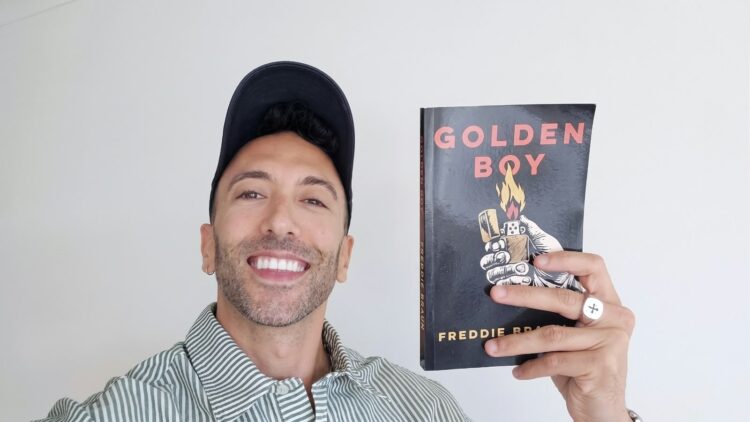
Freddie Braun still remembers the moment a close university friend realised what he had done to her fictional counterpart.
She had just finished reading his debut novel, Golden Boy, parts of which were inspired by the years they had spent together at the University of Aberdeen.
Her reaction, he recalls, was immediate.
“You killed me?!”
He had turned people he knew as a student into the starting points for fictional characters. One of them had just discovered what became of hers.
Braun was 18 when he arrived at Aberdeen in 2006 to study psychology, drawn to the subject by its exploration of fear, perception, identity and self-deception.
It was the beginning of a career in words that would eventually take him in several directions. After Aberdeen, he studied International Marketing at King’s College London before working across publishing, editorial and international brand communications. His journalism and essays have appeared in British Vogue, American Vogue, The Wall Street Journal, PORTER, Men’s Health and McSweeney’s Internet Tendency. His work for Vogue has also been translated and published in editions including Spain, Germany, India, Japan and Taiwan.
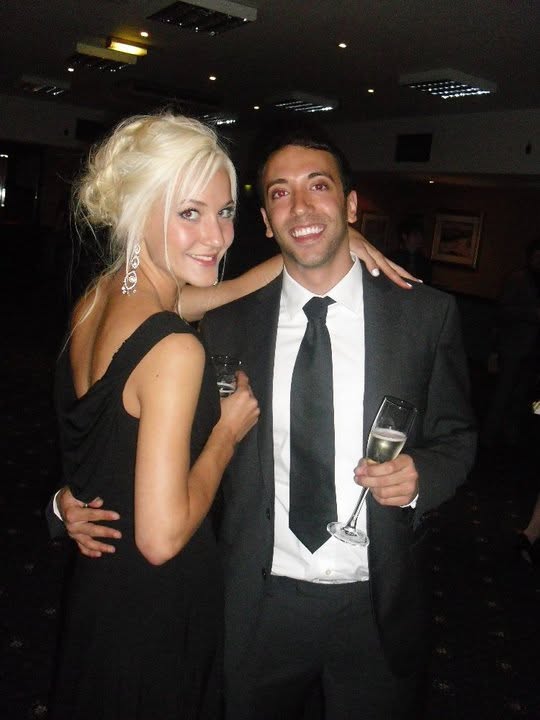
Today, he leads localisation and international content at Monzo after holding senior content and localisation roles across media, fashion, technology and financial services.
Fiction sat waiting in the background while Freddie built a successful career in other forms of editorial.
“I’d spent years writing professionally in completely different forms, where there was always a brief, an audience or a particular job the words had to do,” he says. “Fiction was the place where I could write something entirely because I wanted to write it.”
Writing a novel was an ambition he had carried for two decades.
“It was the thing I kept coming back to and the thing I kept finding reasons not to do. Eventually I reached the point where I thought, if I don’t actually write one now, I probably never will.”
There was plenty in Braun’s own life to draw upon. A self-described third-culture kid, he grew up between countries and cultures before eventually settling in London, and questions of identity and belonging had interested him long before he began writing fiction.
Having initially parked memories of Aberdeen, time and distance lead him to begin to look at them more objectively and subsequently shape them into fiction based on fact.
And it wasn’t long before the friends Braun once saw every day, the shared rooms, nights out, arguments and relationships started to form his idea for a novel.
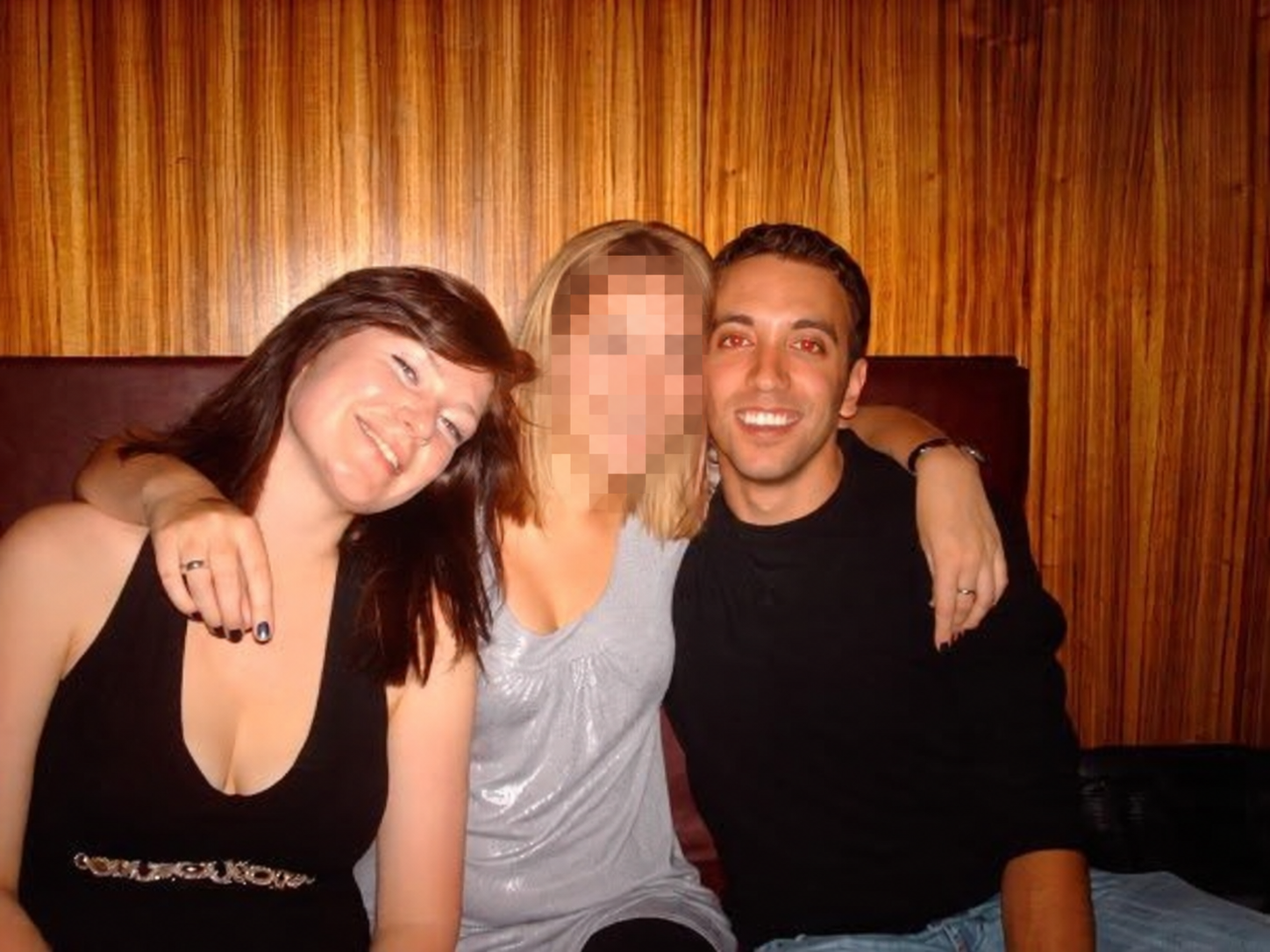
There was, he recalls, “endless drinking”, romance, sex, jealousy and the constant dramas of people living independently for the first time. There was also the opportunity to reinvent – to work out who they eventually wanted to become.
“You arrive at university with one idea of who you are and suddenly nobody knows you,” he says. “There’s something incredibly liberating about that. You can reinvent yourself, deliberately or without even realising you’re doing it.”
Those memories and relationships eventually became the foundations of Golden Boy, published by NineStar Press in May. The novel follows 18-year-old Felix as he arrives at Aberdeen to study psychology and, like Braun himself, quickly falls into an intense group of new friendships.
Adopted and born in Lebanon, Felix is trying to work out where he belongs and, as a young queer man, who he wants to become. He soon finds himself infatuated with Colin, a blond rugby player he privately calls his “Golden Boy”, while a serial killer known as the Aberdeen Ripper stalks the city.
Friendship, sexuality, first love, jealousy, fear and murder follow in what readers and reviewers have praised as an ‘emotional and beautifully complicated read’.
Braun, now 39, is refreshingly candid about the real people who inspired its characters. Personalities were exaggerated and fictional relationships went in directions their real-life equivalents never did, but beneath the invention the novel remains rooted in what Braun remembers as a golden period in his own life, and particularly the friends with whom he shared it.
“The real people were starting points. Once I began writing, I had to stop protecting them and stop protecting myself. If I kept asking whether somebody really said this or genuinely did that, I wasn’t writing a novel. I was transcribing a diary.
“You can take somebody’s humour, somebody else’s insecurity, a conversation you remember and then invent everything around it. Eventually the character has a life of their own and the real person almost disappears.”
Since Golden Boy was published, Braun has sent copies to a couple of the friends who inspired its central characters, or met them personally to thank them for the part they unknowingly played in the book.
That explains the conversation in the café – and why another, potentially more awkward one, is still to come.
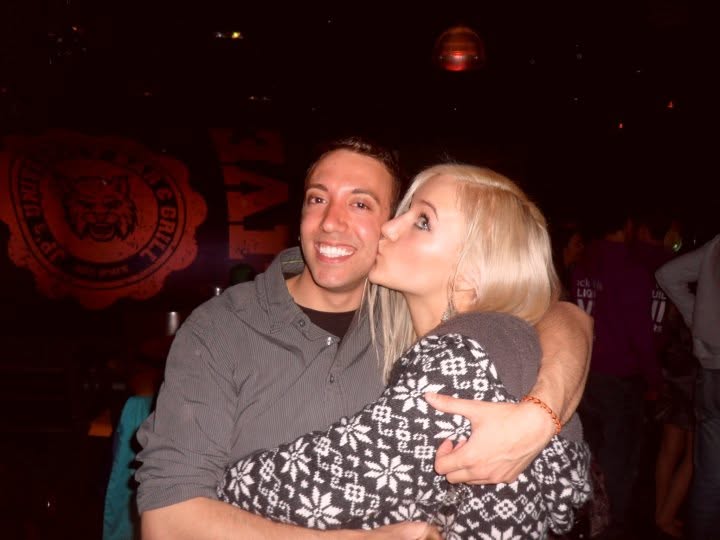
One of Golden Boy’s central characters, Colin, was partly inspired by a man who was once Braun’s closest friend. He is the one former friend Braun has yet to contact.
“Talking to ‘Colin’ is going to be complicated,” Braun admits. “He’ll recognise where the character began, but probably find parts of him wildly unfair or melodramatic. He was my best friend at Aberdeen, and I hope he understands that this is fiction, not a verdict on who he was at eighteen.
“We eventually lost touch, and I don’t want the novel to feel like an ambush twenty years later. I still haven’t had the courage to send him the book.”
Braun could have avoided such complications by putting more distance between himself and the source material. It would have been easier to change more of the people, places and events, he says, but the novel would have lost something in the process.
His psychology background also fed into the darker fiction he wanted to write.
“I’ve always loved dark fiction because pressure reveals people. It’s very easy to be loyal or kind when everything is fine. Fear changes things. Jealousy changes things. Desire changes things.
“Murder gives you the stakes immediately, but what interested me was what happened between the characters because of it. Who do you believe? Who are you frightened of? Who do you forgive because you love them?”
Braun, who lives in central London and is in a long-term relationship, is already looking beyond Golden Boy and says his debut has strengthened rather than satisfied his ambition to write fiction.
Before all that, however, there is still one piece of unfinished business.
Colin.
“I keep imagining the message afterwards. There are probably three possibilities: ‘Loved it’, ‘You bastard’, or complete silence.”
For now, the copy remains unsent.
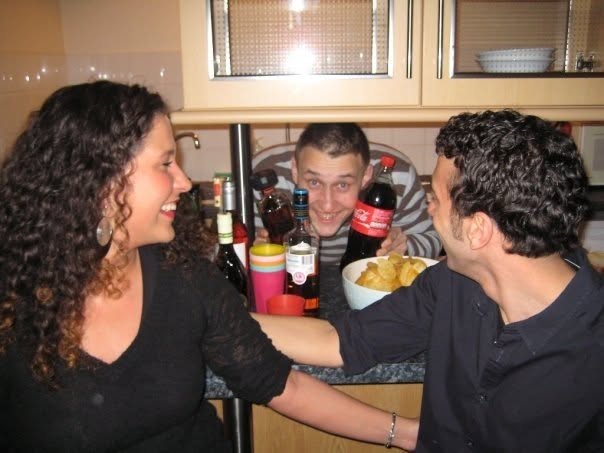
Q&A with Golden Boy Author Freddie Braun
Author Freddie Braun sits down with The London Economic to discuss the challenges he faced creating the book, and moulding old friends into fictitious characters.
What prompted you to draw upon real friends and acquaintances when creating some of the characters?
The central group gave me something difficult to invent because we knew one another intimately, from the teasing and private jokes to the irritations, shifting loyalties and arguments that feel apocalyptic when you’re eighteen. Golden Boy isn’t a transcript of what happened. The core characters have real origins and many events relate to things that happened, although everything has been shaped, compressed, heightened or invented where the story required it.
Were your old university friends amused, surprised, flattered or apprehensive on hearing your characters were based on them?
The two I told reacted very differently. The friend who inspired Jess, who now lives in Australia, called after reading it and said, “You killed me!” It was affectionate outrage and she completely understood what I had done. We even discussed getting the original group together to read passages aloud. She said it would probably be “an explosive reunion”. I suspect she’s right. The long-lost friend who inspired Julian was genuinely honoured.
Explain how friendship, identity, sexuality, university life and growing up are as important to the book as the murder itself.
There is a serial killer, murders and a mystery, but Golden Boy is really a queer dark-academia coming-of-age story with a murder at its heart. The crime gives the novel momentum while the emotional story follows Felix arriving at university wanting reinvention, belonging and, perhaps most dangerously, to be chosen.
I was interested in who these people become, what they forgive, what they overlook because they fear losing the group, and how much of an identity somebody can build around being loved by someone else. The murders intensify all of that.
How did it feel borrowing from real people while knowing they might eventually read the book?
Slightly terrifying and enormous fun. You spend years thinking of these people as characters, then remember that real people may recognise a gesture, relationship or emotional history and think, “Well, what the f##k?” The twenty-year gap helped because distance gave me permission to betray reality a little. Professional writing also taught me that something being true does not automatically make it interesting.
I combined events, moved timelines, heightened moments and sometimes gave one character something another person had said or done. Real life has absolutely terrible pacing. How boring, I know.
Is there going to be a sequel?
A friend recently suggested a sequel from another point of view and we started discussing which member of the group could, in another version of events, have been the killer. Rather inconveniently, I now have an idea. And I think it might work.
How did your journalism career help you put the story together?
Working at Condé Nast and Vogue taught me about voice, structure, observation and what keeps a reader turning the page. It also taught me how much can be revealed by a pause, a look or somebody changing the subject at exactly the wrong moment. Writing that way means trusting readers to notice those details and make connections for themselves.
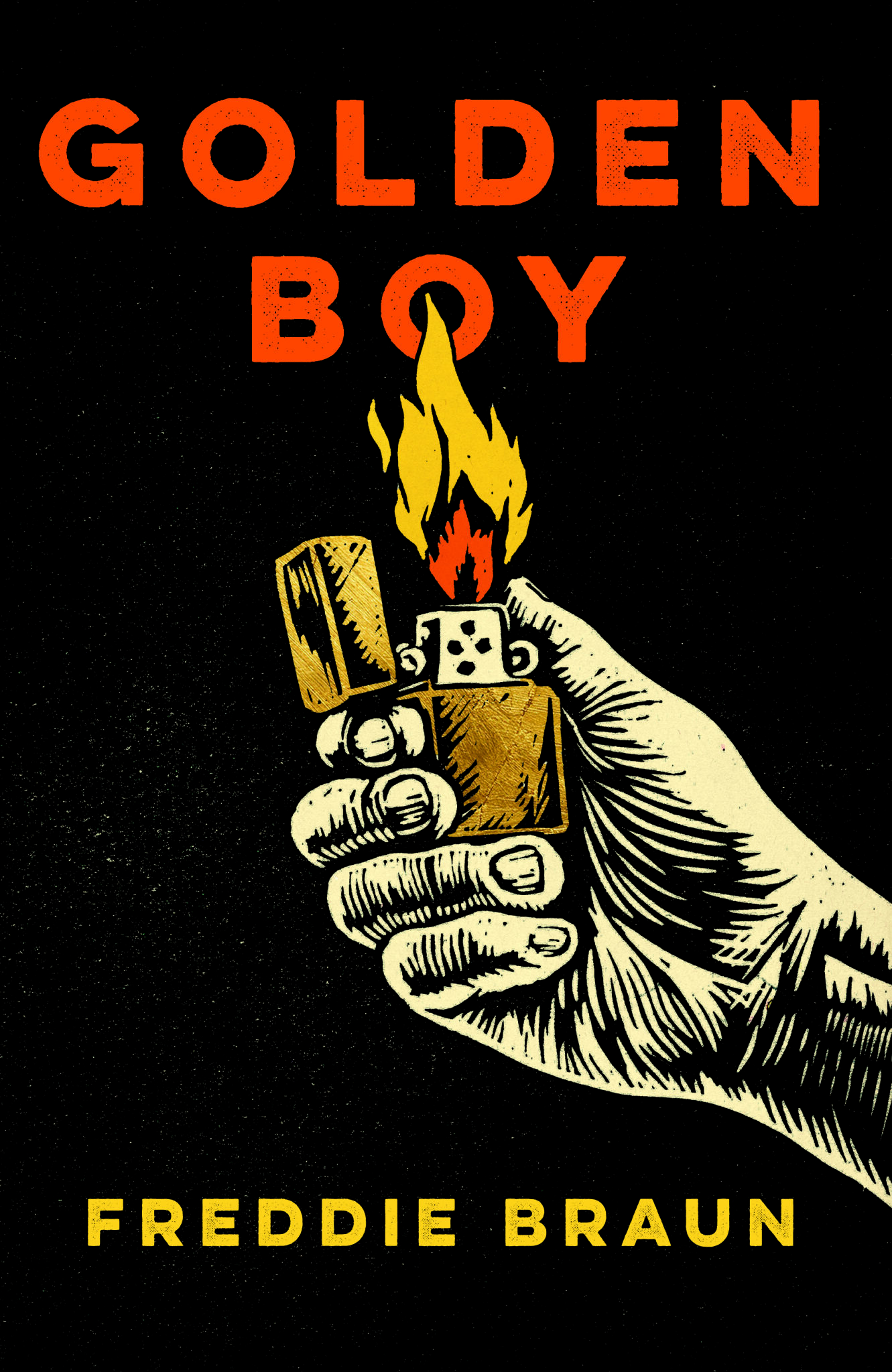
Golden Boy by Freddie Braun is available now on Amazon in paperback and eBook formats.