

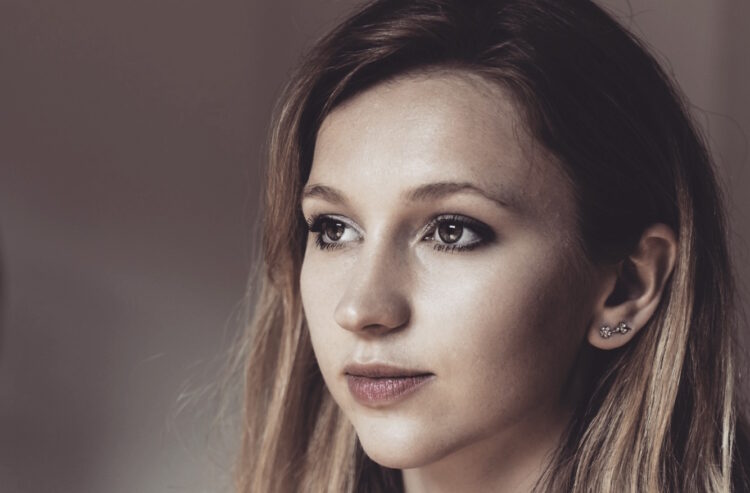
Izzy Frances had the world at her feet.
She had been featured on BBC Introducing, two of her singles charted in the iTunes singer-songwriter charts and she was gigging at venues where Ed Sheeran honed his craft.
Frequently, she finished work in a lab and hopped on a tube to dash to her next performance. She even played the world-famous 100 Club in London’s trendy Soho district.
Alongside her budding music career, she continued to chase her dream of becoming a neuroscientist and secured a place to work towards a PhD at the University of Cambridge.
Then COVID struck.
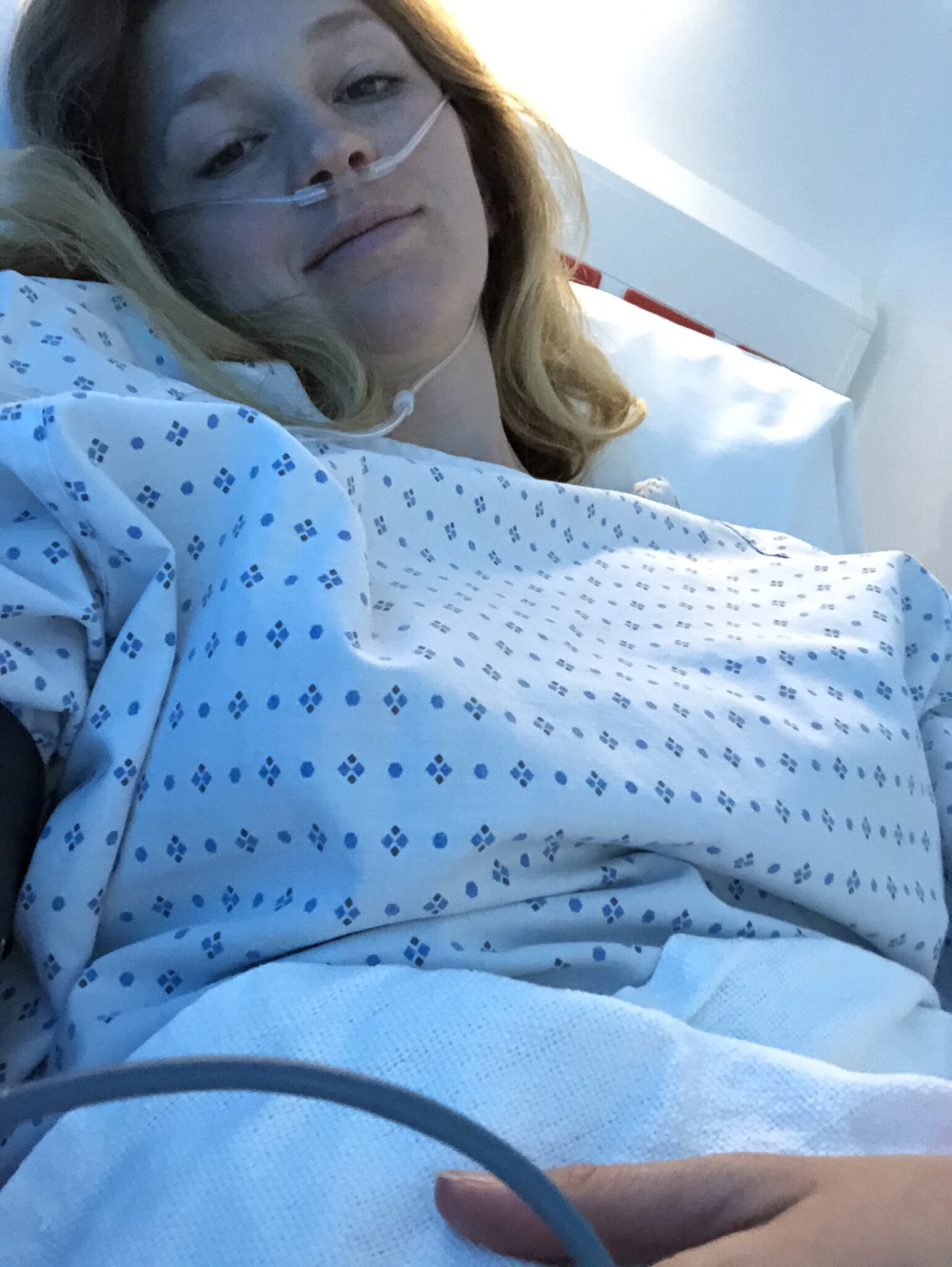
Having already struggled with a string of illnesses during her childhood, the virus knocked her for six. She was just weeks into life at Cambridge.
Her world fell apart, and while she battled to regain her strength, she came up with the idea of a novel – and The Light of the Dawn was born.
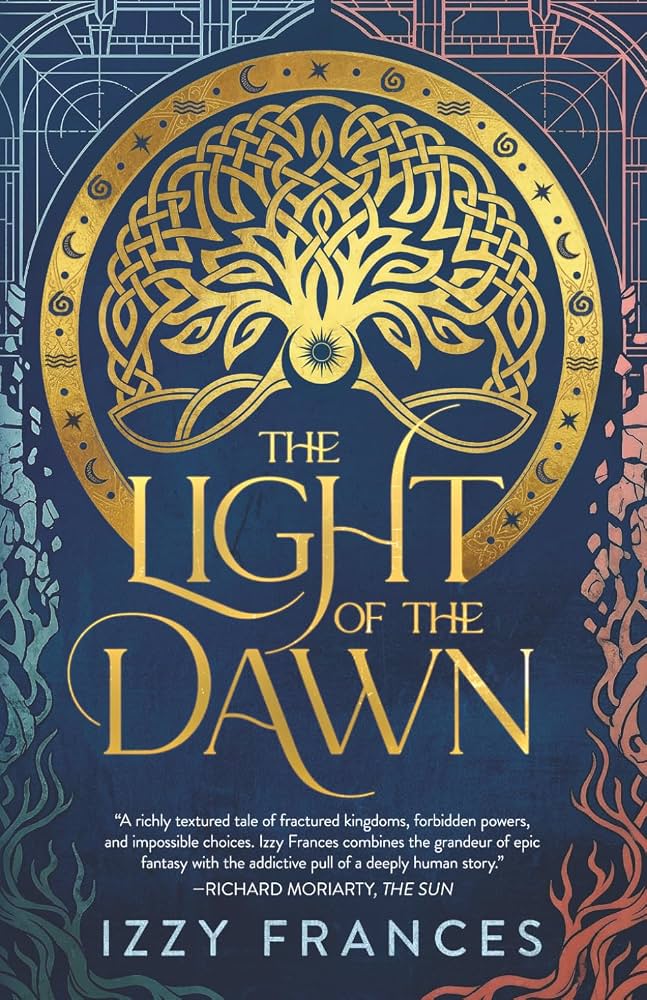
And in The Light of the Dawn, Izzy delivers a compelling debut in which political manipulation, environmental destruction and the courage to challenge authority collide in a richly imagined world.
Fantasy has always offered writers the freedom to confront uncomfortable truths. In The Light of the Dawn, Izzy Frances uses that freedom to striking effect, crafting an absorbing story that speaks directly to some of the most pressing issues of our time: the rise of populism, the exploitation of natural resources and the dangerous consequences of political power left unchecked.
Set in a world divided by competing beliefs, ancient grievances and increasingly fragile ecosystems, the novel follows Elettaria, a young Heir whose understanding of the world begins to unravel as she discovers the disturbing realities concealed beneath carefully maintained traditions.
What initially appears to be a sweeping fantasy adventure gradually reveals itself as something considerably more provocative.
At the heart of Frances’ story lies a question with unmistakable contemporary resonance: what happens when those entrusted with protecting society become responsible for its destruction?
One of the kingdoms in the novel provides a particularly unsettling answer as political authority is maintained through selective truths, manufactured divisions and the demonisation of outsiders. Fear becomes a convenient instrument of government, while those who question the prevailing narrative risk being branded disloyal.
For readers familiar with the rhetoric of modern populist movements, the parallels are difficult to ignore. Frances understands how easily public anxieties can be manipulated, particularly when political leaders offer convenient enemies rather than uncomfortable explanations.
Equally compelling is the novel’s environmental message.
In the novel, magic is blended with nature and is being systematically depleted, with life-giving resources extracted in pursuit of power and supposed progress. As the natural balance deteriorates, disease and devastation follow.
The allegory is clear without becoming heavy-handed. In Frances’ world, as in our own, the pursuit of short-term advantage threatens the very ecosystems upon which civilisation depends. The insistence that nature exists primarily to be exploited feels particularly relevant amid accelerating climate change, deforestation and the continuing political resistance to meaningful environmental reform.
Yet the novel’s emotional strength comes from something more intimate.
Elettaria’s struggles with debilitating illness, physical vulnerability and the expectations placed upon her provide a moving counterpoint to the wider political turmoil. Her determination to retain agency in a society that increasingly regards her as weak gives the story genuine emotional depth.
There is additional poignancy in considering the novel alongside Frances’ own experiences of ill health. The relationship between physical limitation, personal identity and resilience lends particular significance to Elettaria’s journey, although the fiction stands firmly on its own merits.
Frances occasionally asks readers to navigate a dense mythology and intricate political landscape, but the rewards are considerable. Her imaginative world-building serves a story with both emotional intelligence and contemporary urgency.
Ultimately, The Light of the Dawn is about more than magic, kingdoms and ancient powers. It explores who controls the truth, who profits from environmental destruction and what it takes to challenge an unjust system.
An ambitious, thought-provoking fantasy that feels remarkably close to home.
Q&A interview with The Light of the Dawn author Izzy Frances
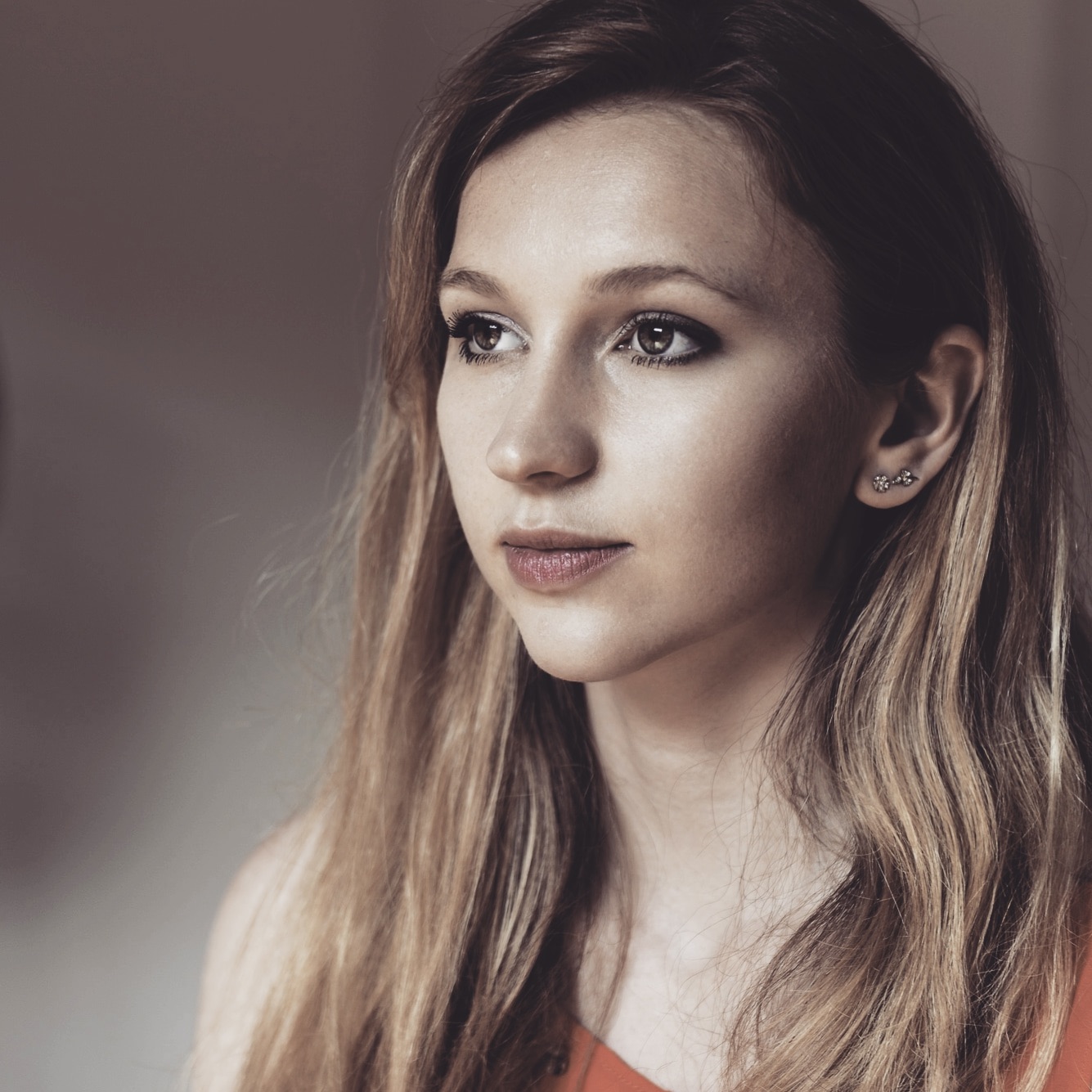
Neuroscientist, singer-songwriter and debut novelist Izzy Frances speaks to Timothy Arden about the challenges of living with chronic illness, the personal experiences that shaped her fantasy heroine, and why political manipulation, environmental destruction and the power of listening are central to her storytelling.
Q. The health struggles of the main character, Elettaria, are one of the most moving aspects of The Light of the Dawn. You have faced significant health challenges yourself. How have those experiences shaped your understanding of resilience, identity and vulnerability, and how much of yourself did you put into her character?
A. I think anyone who has experienced chronic health issues will agree that the most challenging parts – aside from the illness itself – are the grief and loneliness. You grieve the life you once lived, the person you were, and because you often look better than you feel, you do this alone. Chronic illness doesn’t leave one area of your life untouched. It impacts relationships, work, and the things you once loved, and inevitably some people will think it’s your fault. That you’re not trying hard enough, that you’re being too sensitive, too dramatic. Sometimes even doctors agree. Yet pushing through often exacerbates the issues, leaving you to find a new way of living, often in pain, that is not what you envisaged.
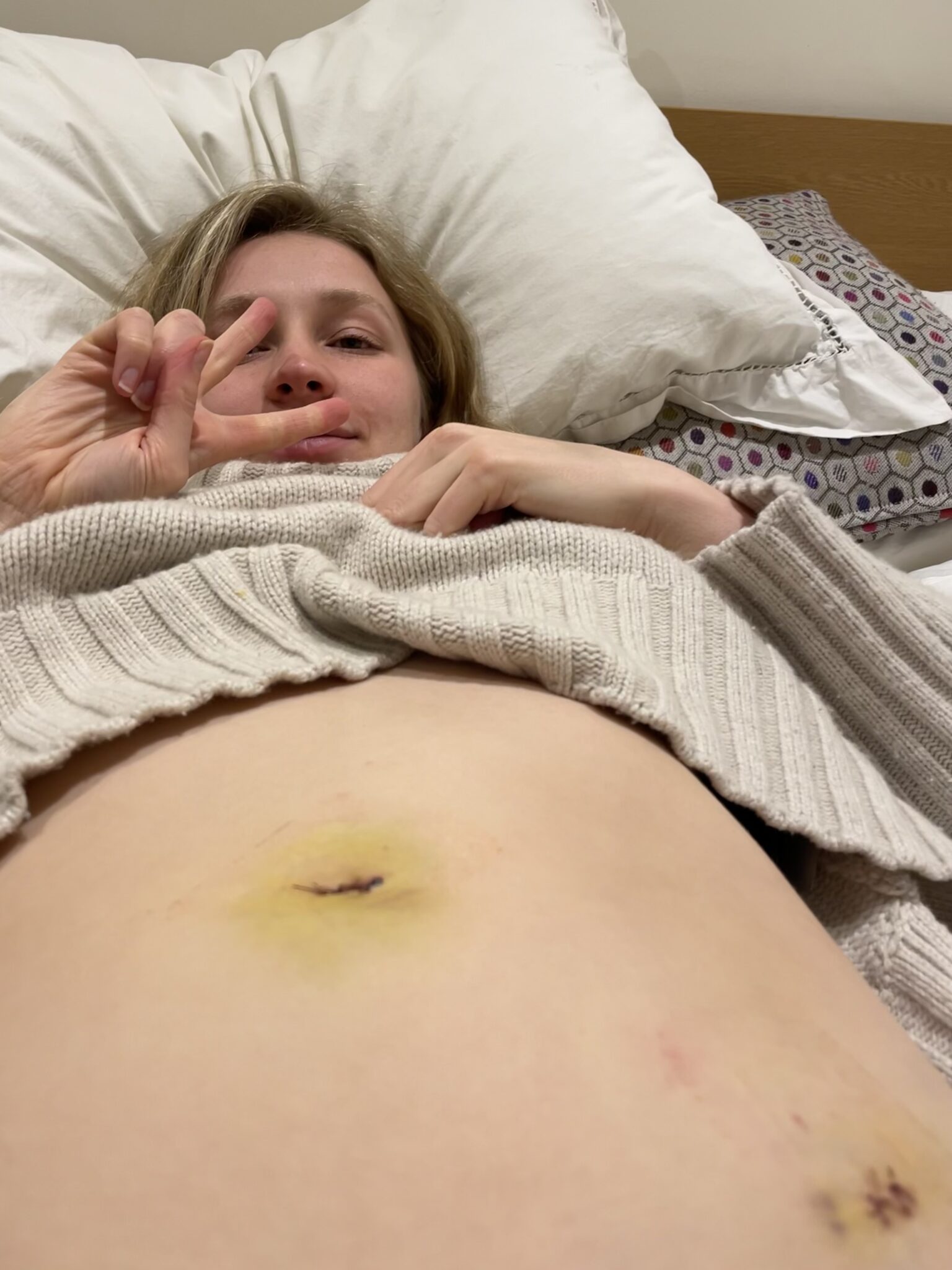
Experiencing this myself has made me much more aware of the inner battles so many of us face. For me it’s illness. For others it might be racism, transphobia, or another form of prejudice I haven’t experienced. I think people navigating these battles understand something about resilience that the world rarely recognises. Strength is often viewed as something physical or social: the biggest man in the room, the one making the most noise. But true strength is much quieter and often goes unseen. Sometimes it requires vulnerability, sometimes gritting your teeth and carrying on despite the pain. And it’s sad, because so many of these difficulties shouldn’t have to be faced, yet here we are.
Writing Elettaria helped me process my experiences somewhere safe, where I didn’t have to worry about being watched or judged. It helped me recognise how hard I was on myself, how often I assessed myself through the eyes of others – and not in a flattering way. I poured my heart and soul into Elettaria, but she also opened my eyes to things I’d overlooked in my own life and the lives of others. That said, she is distinct from me in many ways. I can’t sword fight for one!
Q. You have battled a string of debilitating illnesses for a number of years but have still managed to achieve some incredible things. How do you do it?
A. I would put any deemed success down to three things: white and socioeconomic privilege, curiosity, and at times, desperation. I was so privileged to have a wonderful education, to get to travel the world with my family, to have access to (not always but eventually) good medical care, and not to have to face the barriers that many others face. I am also a perpetually curious person: I love learning more about people and how they work, what makes them think the way they do, what guides the choices they make. I feel the same way about plants, animals and the natural world: I just always want to know and experience more, to understand better. Spirituality plays a role in this, as I truly believe that when we are still and when we listen, we will find the magic and beauty in the world. And whenever I am still, I find myself regenerating, recharging, and being filled with ideas.
But the final piece was almost the opposite of this. It was desperation to prove that I could do something or that my life was worth something even when I felt like it wasn’t. This had the opposite effect of being still and at times cost me, in terms of my health and also my relationships. For years I prioritised my work above everything else, only prioritising my health when I had no choice in the matter. At that time when I had nothing left and couldn’t even leave the house, people would say “Well done for prioritising your health,” and I hated few expressions more, because there was no choice. That is what illness does: it filters out choices and options until you have few or even none. Thanks to meditation, nature, and the privileged upbringing I had, I had access to support and healing that meant there were windows when, even though my choices were limited, I still had some.
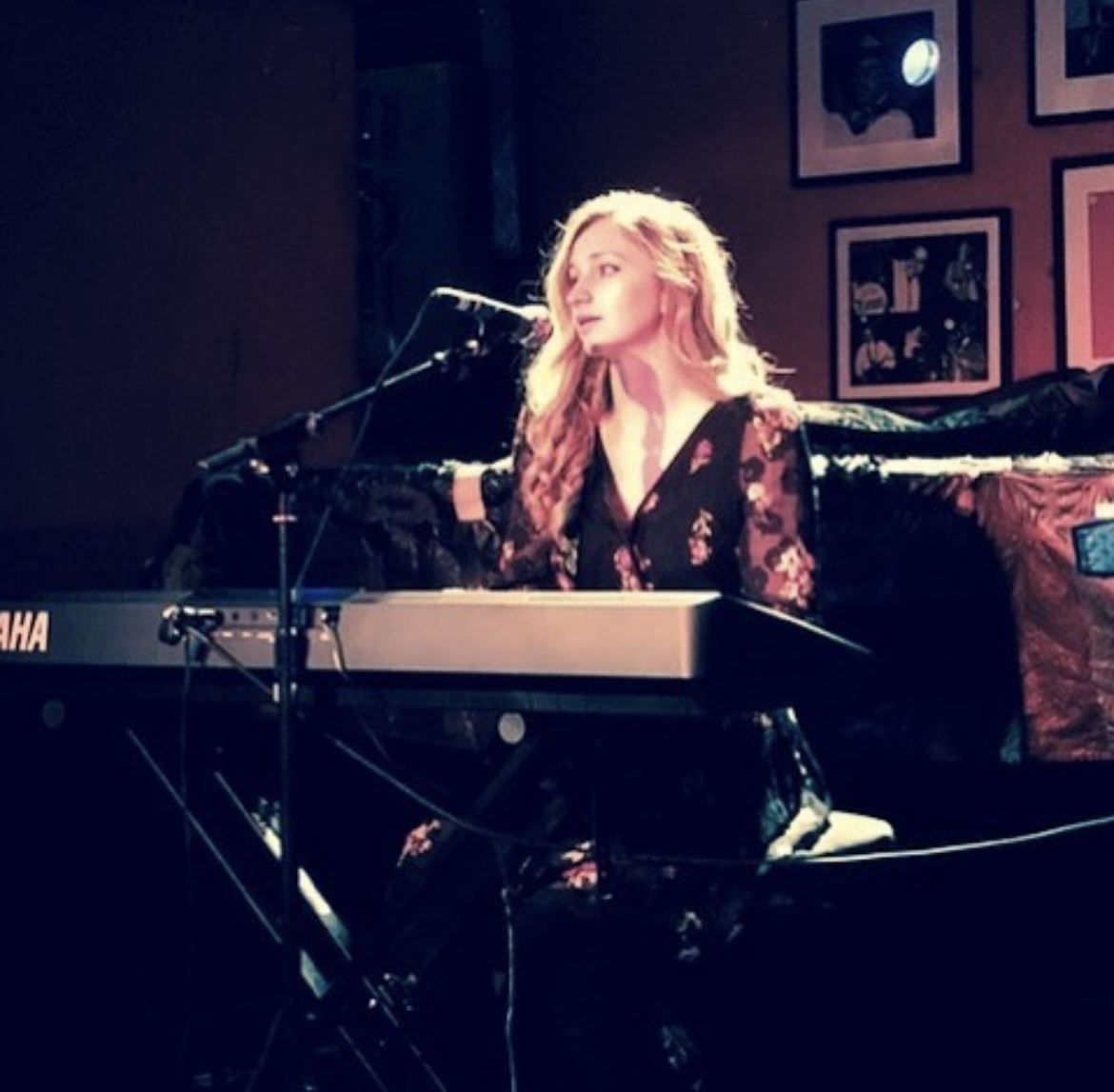
Q. You also have a background in music. How has your experience as a musician influenced your creativity and storytelling?
A. I think music and songwriting taught me how important it is that there is a soul in a story. I have very eclectic music tastes, but across the board the one thing I believe is that all the songs I love and constantly come back to were all written from a deep place of feeling. Songwriting also teaches you the importance of every word, given songs are short, so everything you say really counts. But more than that it taught me to find the emotional centre of what I was writing about, and to move outwards from there, and I think a lot of this came with me into writing fiction.
Q. Your novel explores political manipulation, populism and the deliberate creation of enemies to maintain power. How much of The Light of the Dawn was inspired by the political climate we are living through today?
A. A huge amount. The world we live in is cruel and chaotic and devastating. Everything has become about power, visibility and clicks or likes, including politics. It’s utterly narcissistic, and yet there is still hope. There are still people who know that being able to shout the loudest isn’t the most important thing. Who find and celebrate the peace that comes with sitting outside at dawn with a cup of tea and listening to the birds, or who know of the magic you can find under a fallen tree — who relish the feeling of warmth and contentment when dawn light filters through the forest canopy and you can only hear the rustle of trees and your own breath. Many people have forgotten the importance and the healing power of being quiet and slowing down. But just as many remember it. It’s just they’re not making all the noise.
When writing The Light of the Dawn, I wished to showcase both the noise and the quiet: those who grasp for power and will use any tools available to them – deceit, silencing of those who stand against them, creation of new enemies – and also those who care about the heart and soul of the world. But I also wished to explore how exposure to these types of landscapes can influence our decisions, as I think two of the things we lack most in the world today are patience and understanding, and things are rarely as simple as ‘right’ and ‘wrong’.
Q. Environmental destruction is central to the novel, particularly the exploitation of the forests and their natural resources. Were you consciously drawing parallels with the climate crisis, deforestation and the way governments and corporations prioritise economic interests over environmental protection?
A. Yes. The climate crisis is utterly heartbreaking. Without trees we would not be here, we would not be able to breathe. Yet we treat trees, and so much of nature, only as resources or things to dispose of, ignoring the consequences. We are killing the only planet in the universe that we know can sustain so much beautiful life. I cannot understand how anyone can turn away from this, because even if it doesn’t impact them, it will impact their children or grandchildren. Every being deserves to be here and to be respected. Yet pointless greed, consumerism and greenwashing continue to destroy the natural world, filling no voids and serving no grand purpose.
So yes, I wished to hold a mirror to this, but also explore the choices behind such harm. While some people know exactly what they’re doing, others genuinely believe they’re making the right choice, such as prioritising the economy over the climate. Personally, I find this ridiculous – when your country is underwater, your GDP won’t be looking so great anyway – but I understand why people grapple with it.
Q. Your academic studies have formed another important part of your journey. What did you study, how has your education influenced the way you see the world, and did any particular subjects or ideas find their way into The Light of the Dawn?
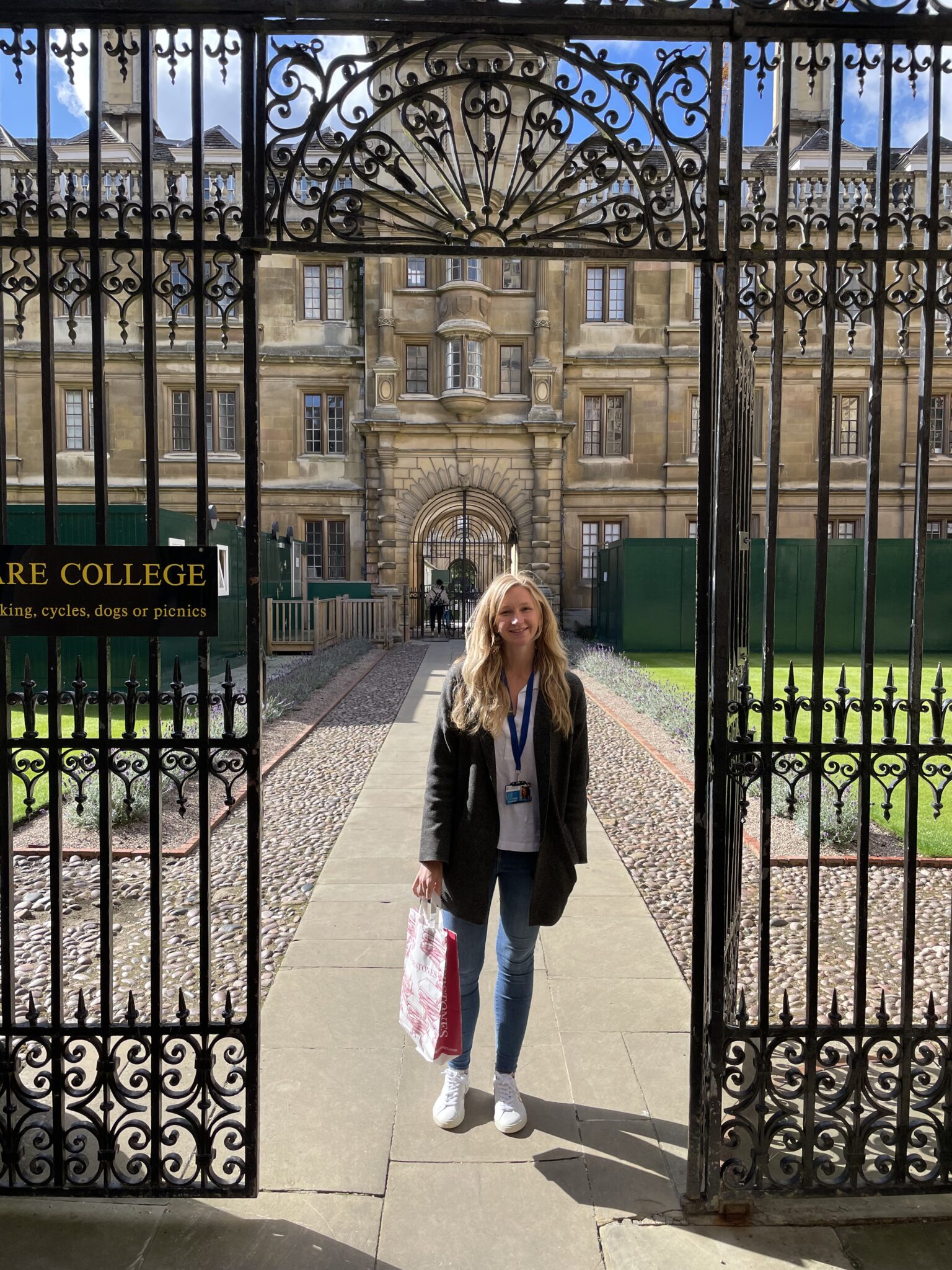
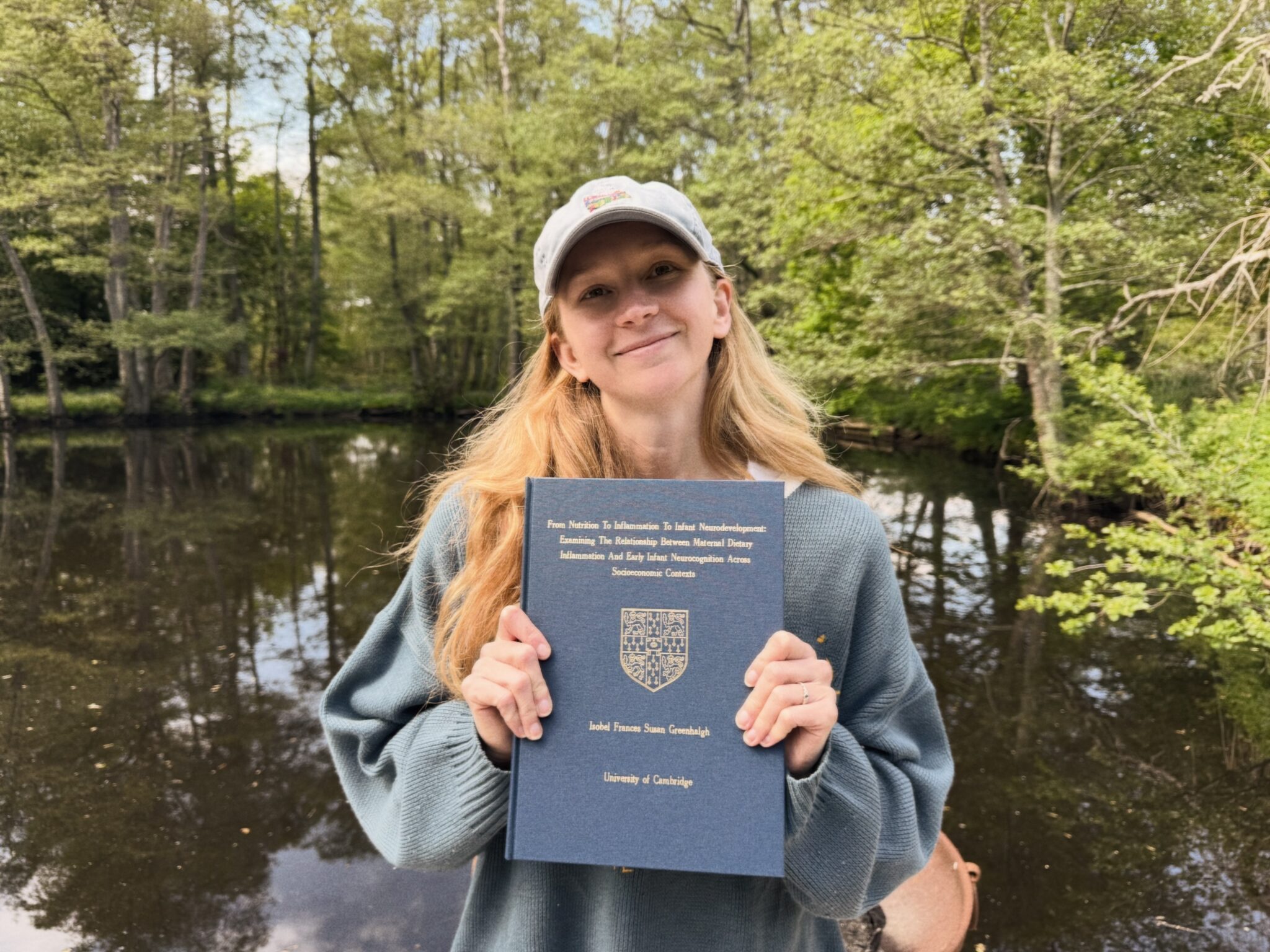
A. I did my undergraduate degree in Neuroscience at St Andrews, an MRes in Cognitive Neuroscience at UCL, and then a PhD examining early infant neurocognitive development at Cambridge. I love neuroscience for many of the same reasons I love to write: I love exploring what drives people, why we are the way we are. But I also want to make a difference with my words and research, because we do live in a vastly unequal and exploitative world, and if I can make a tiny change for the better in that, then I would really like to.
One of the ideas that did make it into the book though was the issue of certainty and institutional control. Sometimes certainty has its place and it is incredibly important. But we have become obsessed with certainty, and sometimes this comes at the cost of nuance or being able to change our minds or admit we were wrong. In science, uncertainty is the honest position, yet the pressure is always to sound definitive. As a patient I spent years being told, with great confidence, that there was nothing wrong with me, only to be diagnosed with multiple disorders that had plagued me my whole life in my early thirties. Certainty has too often become a way of closing down conversations, and so I wished to explore this in my novel, for both the good and the bad it can do.
Q. One of the novel’s most unsettling themes is the way those in authority manipulate history and public opinion to justify their actions. Do you think today’s societies are becoming more vulnerable to misinformation and divisive political rhetoric, and what do you hope readers will take away from that aspect of the story?
A. Personally, I believe that social media has hugely amplified issues of misinformation. I do not doubt it happened before, but the scale of information that people are being bombarded with now is unfathomable, and the amount of it which is based on nothing but personal interest is staggering. On divisive politics, I am not a history expert, but I can imagine this has been around for a long time already. Yet the extremism and polarisation of politics right now means that too often people, policies and parties are being categorised into a binary form, and this is never helpful. One person or party is unlikely to be purely evil or the best thing to grace the earth. Everything is a mixture, and we need to remember that, to give people more grace, and to listen to balanced accounts from both sides. I really believe when we start doing this we’ll start to find common ground where we perhaps believed there was none.
Q. Elettaria’s greatest challenges are arguably internal as well as facing an external enemy. What drew you to a heroine whose battles are fought largely inside her own head and body?
A. I wanted to write this because I think often the internal battles are the harder and more gruelling battles, and they’re also the ones most of us are actually having. Look at the world around us. Men go to war instead of therapy. This shows how hard those inner battles and demons can be to face, and I think sometimes fantasy falls into this trap of focusing on the external and therefore losing such an important aspect of what it is to be human. Most people aren’t facing an army but they are still fighting. They’re facing illness, patriarchy, systems of oppression, or the slow and painful realisation that what they valued perhaps is actually meaningless or built upon lies. A sword isn’t going to fix that.
The other thing that mattered was writing a heroine whose strength wasn’t visible from the outside. Elettaria can fight, and she’s good at it, but it costs her. And her true strength is actually her ability to admit when she’s been wrong, to face the world and herself for both its good and bad, to try her best and keep going even through all her trials, and to listen. I really wish for this to count as heroism, because in my honest opinion it is.
Q. Alongside your creative work, you have built a professional life in medical research in Switzerland. Could you tell us a little about your current role, what it involves and how you balance its demands with your ambitions as an author and musician?
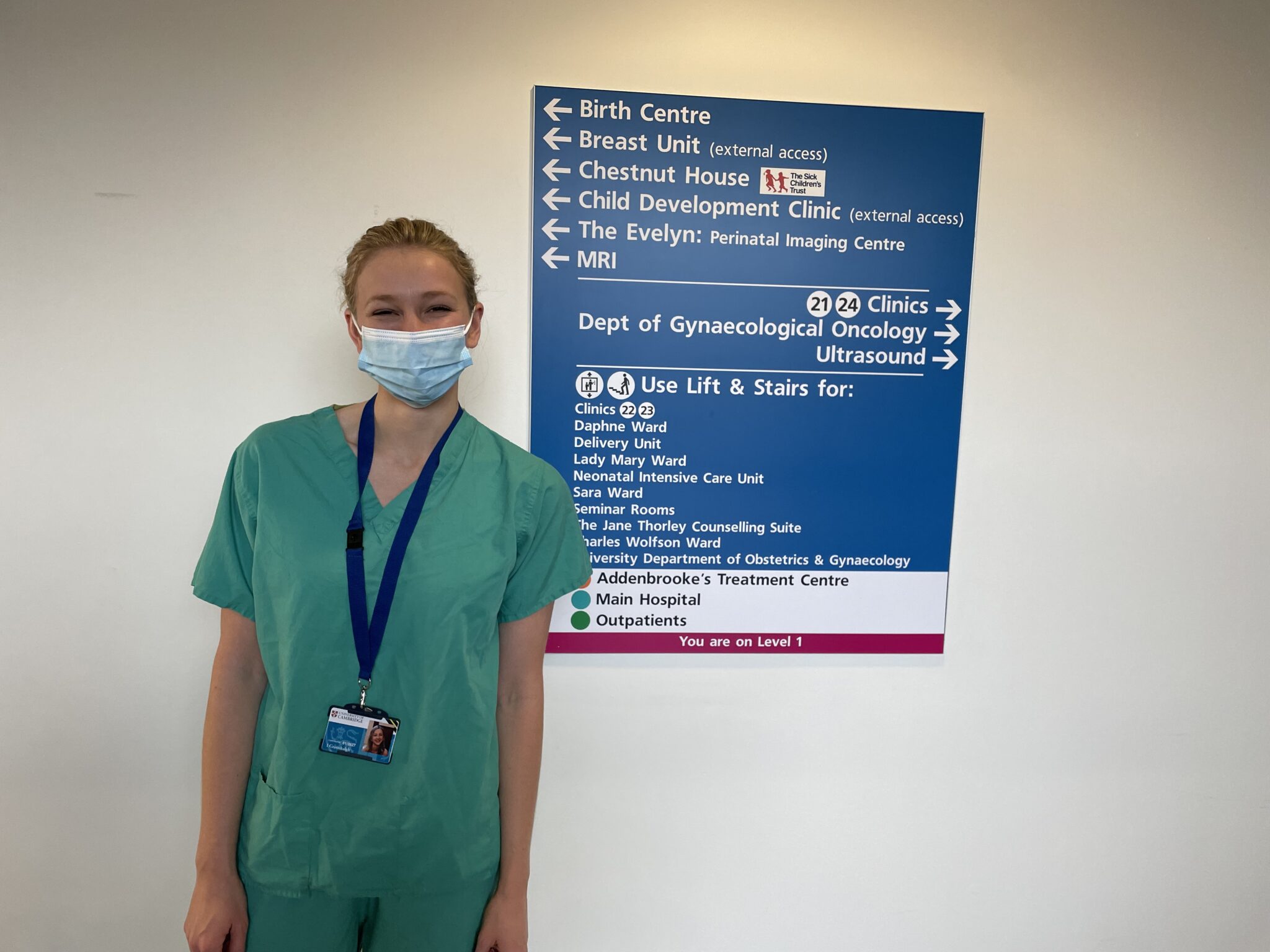
A. I am currently a postdoctoral researcher in Zurich, working under Professor Giancarlo Natalucci, a clinical neonatologist and professor of research. Our project examines whether nutrients in human milk can improve brain growth and neurodevelopment in very preterm infants (born before 32 weeks’ gestation), who face heightened risks of poorer neurodevelopmental outcomes. Finding ways to improve these outcomes matters enormously.
Balancing work feels easier now, partly because my health has improved, but also because Professor Natalucci fosters such a warm, compassionate and flexible environment. I feel very fortunate to work there.
Writing happens in my free time, when I am able. I love it, and find it cathartic, so it rarely feels like a chore. Even when I can do very little, I always find my way back.
Music is harder, because performing and collaborating often require working to other people’s timelines, which unpredictable illness makes difficult. But I still write and collaborate when I can, and perhaps in future there will be room for more.
Q. Writing a novel is a considerable undertaking, particularly while managing health difficulties and other professional commitments. What were the greatest obstacles you encountered in bringing The Light of the Dawn to life, and was there ever a point when you doubted you would finish it?
A. I don’t think I ever doubted whether I would finish the novel, because writing it was my lifeline. However, I did doubt whether the book would ever emerge into the world, and whether anyone would want to read it. I think the biggest challenge was the self-doubt that most people with health difficulties will know, because, especially as a woman, it seems to have become inevitable that you will be gaslit and invalidated for years before finally finding a wonderful doctor who is compassionate and determined enough to figure out what is wrong with you.
Q. At its heart, The Light of the Dawn is a story about challenging injustice, questioning authority and recognising our responsibility towards the natural world. If readers were to take away just one message from the book, what would you want it to be — and what can we expect from you next?
A. One message: listen better. To yourself and to others.
Next, you can expect the sequel!
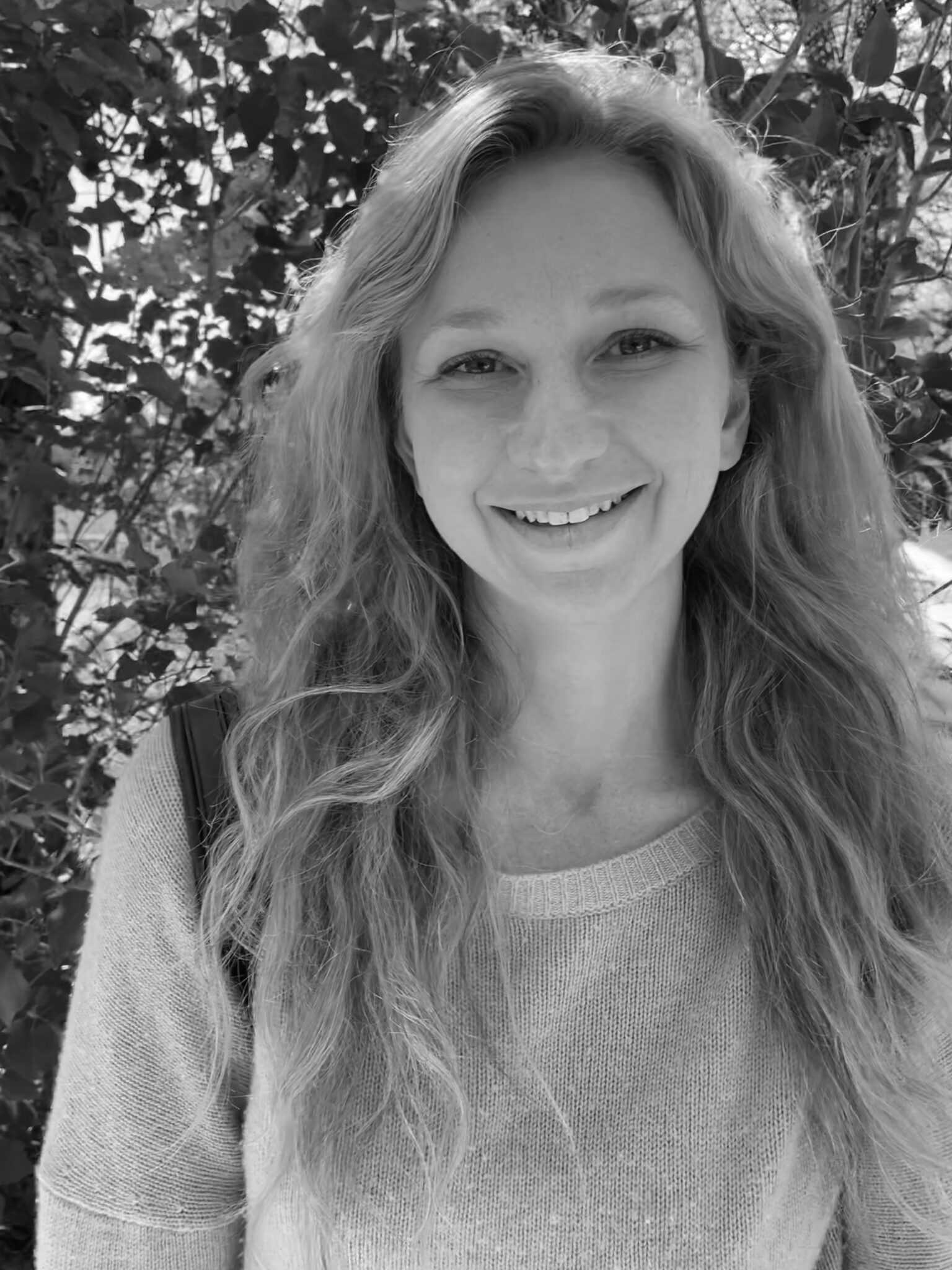
Izzy Frances is a neuroscientist, singer-songwriter and novelist. She studied neuroscience at the University of St Andrews and cognitive neuroscience at University College London before completing a PhD at the University of Cambridge on maternal inflammation, nutrition and early infant neurocognitive development. She is now a postdoctoral researcher in infant neurodevelopment and nutrition in the Clinic of Neonatology, University Hospital of Zurich.
The Light of the Dawn by Izzy Frances is available now on Amazon. For more information about the author and her work, visit IzzyFrances.co.uk.