

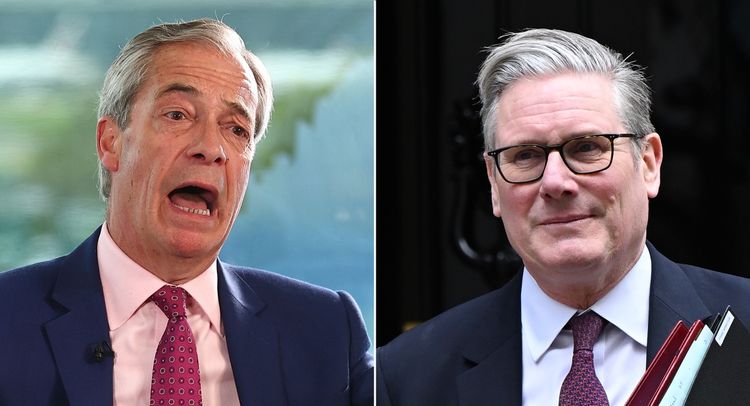
There is a neat, slightly unexpected twist in Labour’s crackdown on political donations. In attempting to limit overseas money flowing into UK politics and, in particular, into Reform UK, Sir Keir Starmer may have stumbled upon a way of coaxing billionaire expats back into the British tax net.
The trigger is the government’s proposed cap on foreign donations and tighter rules around who can fund UK political parties. The effect, at least in one high-profile case, is already visible. Crypto billionaire Ben Delo has reportedly returned to the UK so he can donate millions to Reform without falling foul of the new restrictions.
That decision carries an interesting fiscal side-effect. Becoming UK tax resident, even for part of the year, can expose more of an individual’s income and gains to HMRC, particularly as Labour moves to tighten the non-dom regime. While wealthy individuals are adept at structuring their affairs, physical presence still matters. More time in Britain can mean more taxable activity, more spending subject to VAT, and a greater likelihood that assets and business interests fall within the UK’s reach.
Importantly, political donations themselves offer no tax relief. Writing a multi-million-pound cheque to a party does nothing to reduce a donor’s tax bill. If anything, the relocation required to make that donation possible may increase it.
None of this amounts to a fiscal silver bullet. A handful of returning billionaires will not transform the public finances. But it is a curious by-product of a policy aimed at something else entirely.
In trying to shut down overseas funding routes, Starmer may have created a new incentive: if you want to shape British politics, you may first have to start paying British taxes again.