

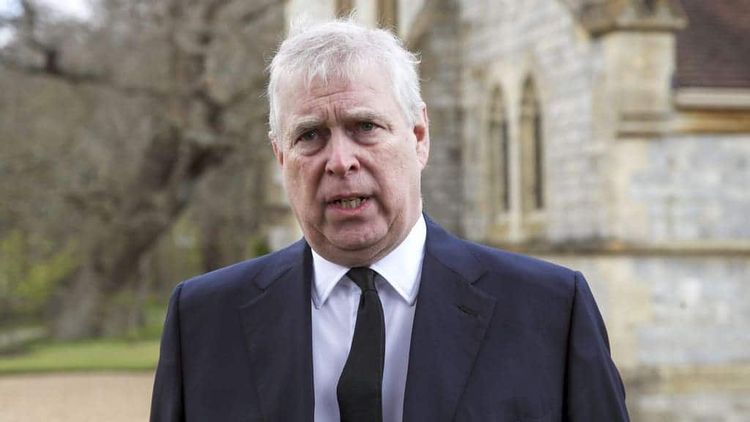
Disgraced former royal Andrew Mountbatten-Windsor has been arrested on suspicion of misconduct in public office, triggering a fresh storm around the former Duke of York.
Thames Valley Police confirmed officers are investigating a complaint linked to claims confidential material may have been shared with late paedophile financier Jeffrey Epstein during Andrew’s time as a UK trade envoy.
He has not been charged with any offence and has always denied wrongdoing. Under UK law he is presumed innocent unless proven guilty.
But if the case did go further, what could happen next? Here are the five main routes based on previous UK cases.
ROUTE 1: Case collapses – no charges or not guilty
The most straightforward outcome is that nothing further happens.
Police may decide there isn’t enough evidence. Prosecutors might refuse to charge. Or a jury could acquit him at trial.
Misconduct in public office is notoriously hard to prove because it requires showing a serious criminal abuse of power – not just bad judgement.
ROUTE 2: Guilty — but no prison
Even if convicted, Andrew could theoretically avoid jail.
Judges sometimes impose:
- Suspended prison sentences
- Community orders
- Fines or unpaid work
That would be more likely if harm was limited, there was no financial gain, and the offence was seen as isolated.
ROUTE 3: Short jail term (months to about 2 years)
If a court found he improperly shared confidential information in breach of trust, a short custodial sentence could follow.
Sentences under two years are sometimes suspended – but not always. If prison were imposed, offenders typically serve about half the term behind bars before release on licence.
ROUTE 4: Several years inside (2 to 5 years)
Legal experts say this range is often seen in cases involving senior figures abusing positions of authority.
Factors that could push a sentence higher include:
- His public role and status
- Repeated conduct
- Personal advantage
- Proven harm to others or institutions
ROUTE 5: Long sentence (5 years or more)
The offence technically carries a maximum of life imprisonment, though that is extremely rare.
Longer terms usually only happen where there is serious corruption, exploitation, or major consequences.