

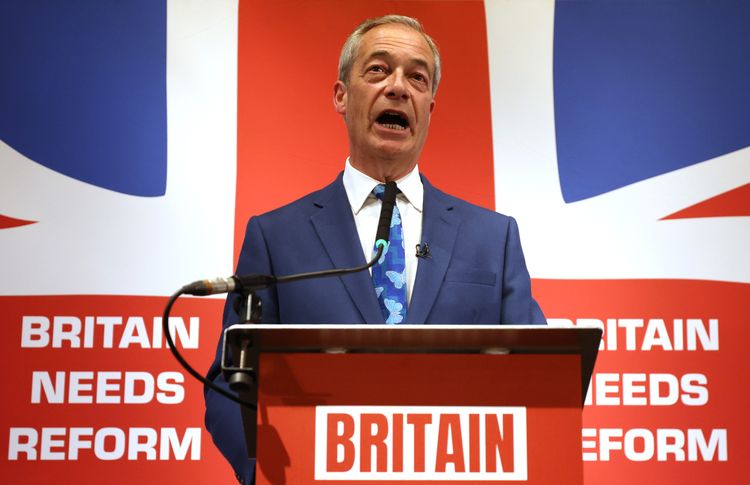
For Nigel Farage, the prospect of an electoral pact with the Conservatives should be viewed as nothing short of political self-sabotage. Reform UK’s rise has been fuelled by a sense of novelty and momentum; voters disillusioned with the two main parties see in Farage’s outfit a disruptive force capable of reshaping British politics. But getting into bed with a party facing what many analysts openly describe as an extinction-level event would instantly puncture that appeal. It would turn Reform from a lightning rod for change into a life raft for a sinking ship.
The Conservatives’ collapse has been dramatic, but crucially, it has also been deserved in the eyes of the electorate. Years of austerity, internal chaos and broken promises have left the party tainted beyond recognition. Farage has benefitted precisely because he is not them. A pact would blur that distinction at the moment it matters most. Instead of offering something fresh, Reform would suddenly look like just another appendage of the Westminster machine, defined not by insurgency but by compromise and co-dependence.
That danger is already becoming visible. The party’s recruitment drive aimed squarely at ex-Tory MPs who lost their seats in the last election is an early warning sign. Figures such as Jonathan Gullis were rejected by their constituents for clear reasons. The idea that you can simply pin a turquoise rosette on them and expect different election results is as delusional as it is politically naïve. Voters aren’t clamouring for a rerun of Conservatism with a new paint job; they are hungry for authenticity, not retreads.
Farage’s flirtation with a pact also exposes something he rarely admits: an acknowledgment that he may not be able to achieve his ambitions alone. The moment he begins telling supporters that the route to power requires stitching together an alliance with the very party he has spent years attacking is the moment the Reform narrative fractures. As The London Economic has previously written, Reform has many enemies and not many friends. A pact isn’t a solution to that problem – it’s an admission of it.
Keir Starmer has read the situation correctly. He framed any potential tie-up as a “coalition of austerity and failure”, a line that neatly captures how the public would perceive such an arrangement. The Conservatives bring baggage; Reform brings volatility. Combined, they present not a serious challenge to Labour but a reminder of the instability and ideological confusion of the past decade.
Fundamentally, a Tory–Reform pact misunderstands why voters turned away from the Conservatives in the first place. The public is not looking for incrementally different shades of the same politics. They want competence, steadiness and a break from the psychodrama that has defined the right since the Brexit referendum. Tethering Reform to a failing Conservative Party is not just strategically foolish – it risks collapsing the very identity that has propelled Farage’s party this far.