

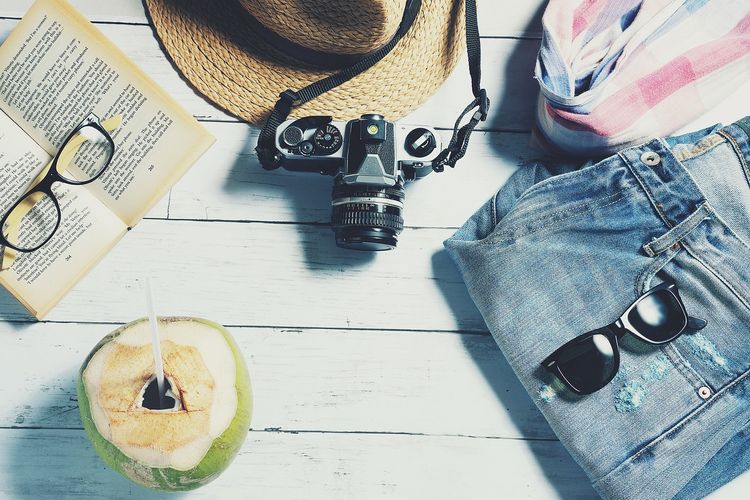
You don’t need a new camera to come back with better vacation photos. What you do need is a bit of prep, because the usual reasons people miss great shots are boring: storage runs out, batteries die, the lens is dirty, or the day gets busy and you simply forget.
1. Do a quick device check the day before
If you’re bringing a camera, treat it like you’re taking it to work. Charge batteries (and take a spare if you have one), format the memory card after backing up old files, and take a few test shots at home. Zoom in and check that focus looks sharp. Also clean the lens. A tiny microfiber cloth weighs nothing and saves a lot of “why is everything hazy?”
If you’re using a smartphone, storage is the usual trip-killer. Clear space in advance: delete duplicates, old screen recordings, and offline downloads. If you know you’ll shoot a lot of video, make sure you’ve got room for it. Grid lines are worth switching on too, because they help you keep horizons straight and make framing faster.
2. Decide what you want to capture
Before you leave, pick 2–3 themes for your trip. For example: street details, food, and the people you’re with. Or mornings, architecture, and little signs of local life. This tiny plan, especially if you travel to some world’s most addictive destinations, makes travel content creation easier because you’re no longer trying to photograph everything. You’re collecting a story.
3. Don’t trust your memory: set a reminder
Vacations are distracting. A simple hack is setting one daily reminder like: “5 intentional shots today.” Not “take photos” — that’s too vague. The point is to give yourself a tiny pause in the middle of the day, especially when everything starts blending together. A reminder is basically a tiny reset: look around, pick what feels worth keeping, and take 20 seconds to record it in whatever way makes sense.
4. Make it frictionless to grab the shot
A lot of missed vacation photos happen for one simple reason: by the time you’ve unlocked your phone, found the camera, and adjusted something, the moment is gone. Before your trip, set the device up so shooting is basically instant.
On your phone, set up a fast way to open the camera from the lock screen and try it a couple times before you leave. If there’s a “preserve settings” option, turn it on so the app doesn’t keep resetting (flash on, weird mode, etc.). Do the same for starting video quickly if you’re filming while traveling.
5. Use the “wide + close” trick
When something feels worth capturing, take two shots:
- One wide photo that shows where you are (street, beach, mountains, room view).
- One close photo that shows what it felt like (hands, textures, food, tickets, little details).
That’s it. It’s fast, but it makes your album look intentional. It also gives you better material later if you do video editing and want cutaways for a travel vlog.
6. Midday sun fix: step into shade
Bright noon sun makes people look harsh and squinty. Instead of fighting it, move. Step into open shade (near a wall, under a tree, by a café umbrella) and shoot there. Faces instantly look better. On a phone, tap the subject and lower exposure slightly so highlights don’t blow out.
7. Filmed more than you photographed? Get stills the easy way
Sometimes you realize you took tons of clips and almost no photos. That’s fine. Film smarter: take shorter clips (10–20 seconds), and hold the camera still for the first 2 seconds. Those frames are usually the sharpest.
When you’re back on your computer, you can grab a clean still from the footage. The simplest method is to use whatever you already have: many video players and editors let you export a frame. If you don’t see that option, pausing the video and taking a normal screenshot works too. It’s not fancy, but it’s fast.
If you’re making a travel vlog, a quick route overlay can add context. Pull up your map on a laptop, record a short clip of the route (any screen recorder for PC will do), then drop that clip into your edit as a small picture-in-picture layer for a few seconds. Just don’t capture booking codes or any personal info on-screen.
Conclusion
A bit of prep and one daily reminder go further than more gear. Take a wide shot, grab a close detail, and don’t stress if you filmed more than you photographed — you can still pull a few clean stills later. The goal is simply to come home with memories that actually look like your days felt.