

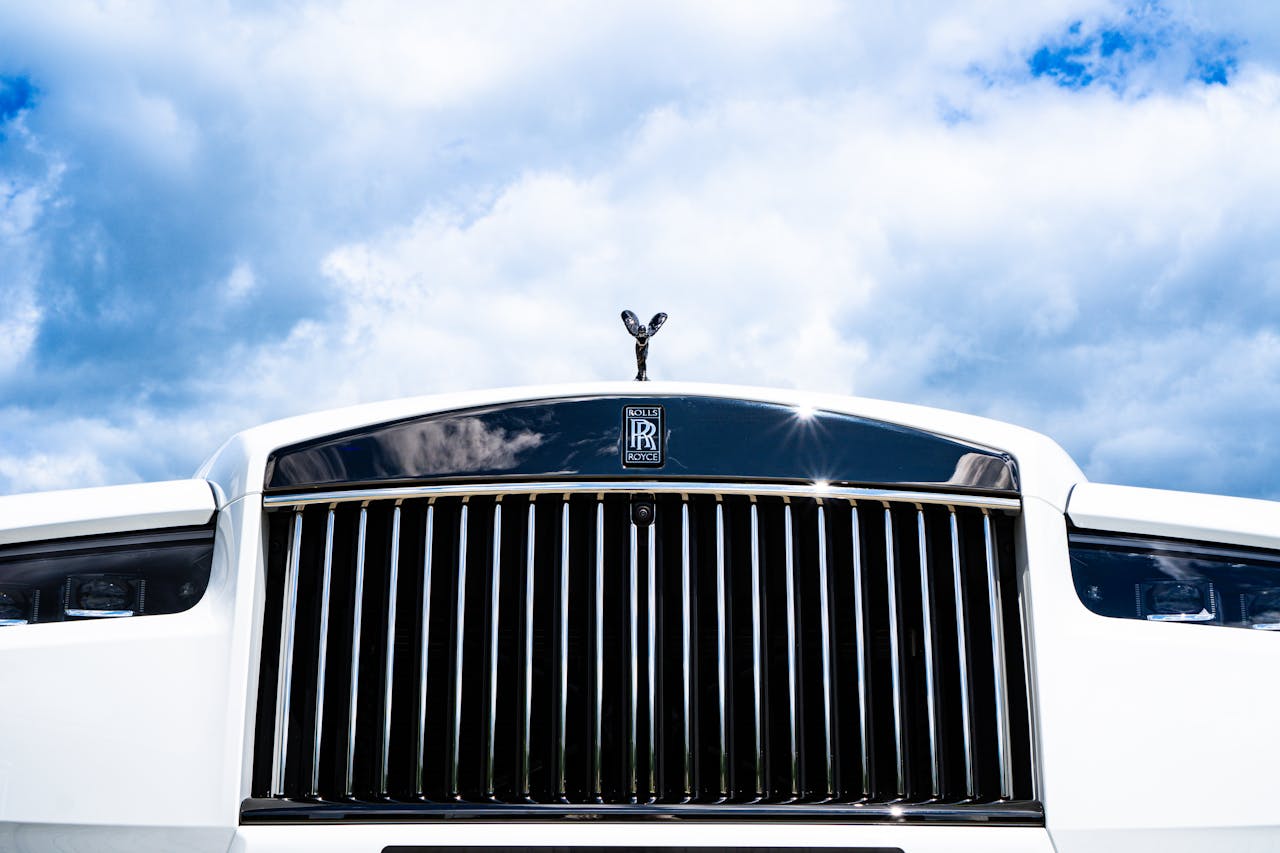
The Rolls-Royce Ghost Series II remains one of the clearest expressions of understated luxury in the modern automotive market. It is refined rather than loud, powerful without being aggressive, and designed for owners who value quiet confidence. Still, even in the ultra-luxury segment, personalisation has become an important part of ownership.
Exterior upgrades for the Ghost are usually very different from the dramatic body kits often seen on sports cars or SUVs. In this category, the best modifications are subtle. They are intended to enhance the car’s proportions, sharpen its visual presence, and preserve the original Rolls-Royce character rather than replace it.
A Market Moving Toward Bespoke Luxury
The demand for personalisation is growing across the luxury automotive sector. Manufacturers themselves have responded to this trend through factory bespoke programs, exclusive paint finishes, custom interiors, special materials, and limited-edition configurations. Rolls-Royce, Bentley, Mercedes-Maybach, and other premium brands all understand that many buyers want something more individual than a standard specification.
At the same time, independent tuning studios and aftermarket specialists continue to play a role. Some owners turn to them when they want exterior carbon components, aerodynamic details, forged wheels, custom finishes, or styling elements that are not available directly from the manufacturer. This creates a wider market in which factory personalisation and aftermarket customisation exist side by side.
Subtlety Is Essential
For a car like the Rolls-Royce Ghost, restraint is often the key to a successful result. The Ghost Series II has a strong design identity: a long hood, clean body lines, a powerful stance, and a formal yet modern silhouette. Exterior upgrades should work with these proportions, not against them.
Typical modifications may include a front lip, side skirts, rear diffuser, spoiler, custom wheels, or carbon fiber details. When executed well, these elements can give the car a more contemporary and distinctive look. When poorly designed or installed, however, they can make the vehicle appear less refined and may reduce the sense of luxury that defines the model.
Materials, Fitment, and Engineering
High-quality customisation depends heavily on materials and manufacturing accuracy. Carbon fiber, basalt fiber, and advanced composite materials are often used because they combine strength, low weight, and a premium surface finish. However, the material itself is only part of the equation. Fitment, mounting points, paint quality, and alignment with factory panels are just as important.
This is where the choice of provider matters. Owners can work with factory bespoke departments, established luxury tuning companies, or specialised studios such as RNG-T and similar aftermarket firms. The priority should not be the most aggressive design, but the quality of engineering, compatibility with the vehicle, and respect for the original design language.
Potential Drawbacks to Consider
Aftermarket modifications can improve individuality, but they also carry risks. Poorly fitted parts may affect aerodynamics, create noise, damage mounting points, or interfere with sensors and driver-assistance systems. In some cases, modifications may influence warranty coverage, insurance terms, or resale value.
There is also the question of taste. A Rolls-Royce is not usually purchased to attract attention in the same way as a modified supercar. Excessive styling may conflict with the brand’s identity and make the vehicle less appealing to future buyers. For that reason, many owners prefer reversible or carefully integrated upgrades.
Personalisation Without Compromising Identity
The most successful Ghost modifications are those that feel natural. They add individuality without making the vehicle look disconnected from its heritage. A well-designed exterior package can make the Ghost more expressive, especially in the updated Series II configuration, while still preserving the elegance and authority expected from the marque.
As luxury car ownership continues to evolve, personalisation will remain a defining trend. The Rolls-Royce Ghost is already a highly individual car, but carefully chosen upgrades can make it even more personal. The challenge is to find the right balance: enough distinction to reflect the owner’s character, but enough restraint to protect the timeless identity of the vehicle.