

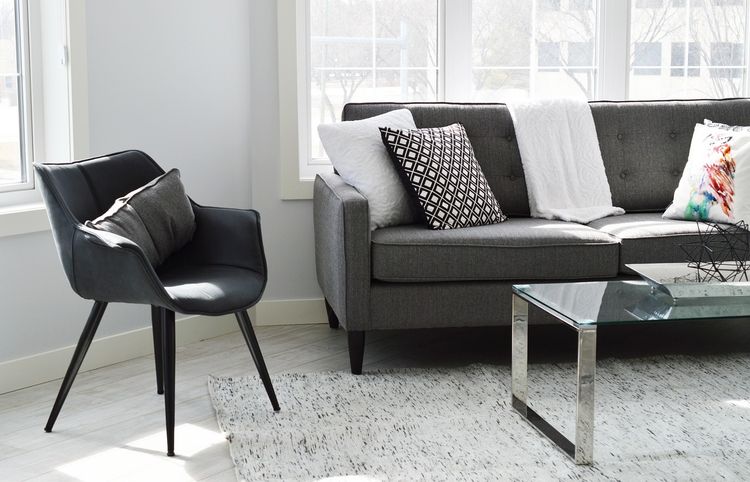
In modern interior design, the smallest details often make the biggest difference. Skirting boards may sit quietly at the base of a room, but the style you choose plays an important role in how clean, cohesive and contemporary a space feels. In homes defined by sharp lines, open layouts and minimal decoration, the wrong skirting profile can quickly disrupt the overall look.
What Defines a Modern Skirting Board Style?
Modern skirting boards are rising in popularity and are characterised by simplicity and balance. Unlike traditional profiles, contemporary skirting avoids ornate curves and heavy detailing in favour of clean geometry and understated finishes.
Straight edges, subtle angles and smooth surfaces are all common features. The goal is to frame the room without drawing attention away from the architecture, flooring or furniture. In many modern homes, skirting boards are designed to blend seamlessly with walls and door frames rather than act as decorative focal points.
Square Edge Skirting Boards
Square edge skirting boards are one of the most popular choices for modern interiors. Their sharp, straight profile aligns perfectly with contemporary design principles and works particularly well in new-build homes and minimalist renovations.
This style creates a crisp transition between wall and floor, making rooms feel tidy and intentional. Square edge skirting is commonly used in living areas, hallways and kitchens, especially when paired with matching square architraves for a consistent finish throughout the home.
The simplicity of the profile makes accurate fitting essential, but when installed well, it delivers a timeless modern look that suits a wide range of interiors.
Chamfered Skirting Boards
Chamfered skirting boards offer a slightly softer alternative while still retaining a modern feel. The angled edge adds subtle visual interest without tipping into traditional styling.
This makes chamfered profiles ideal for contemporary family homes or open-plan spaces where a purely sharp edge might feel too stark. They work well in properties with medium to high ceilings and complement modern flooring materials such as engineered wood and porcelain tiles.
Chamfered skirting provides a balance between clean design and gentle detailing, making it a versatile choice for many modern homes.
Pencil Round Skirting Boards
Pencil round skirting boards feature a small rounded edge that softens the overall appearance while maintaining a contemporary aesthetic. This style is particularly popular in modern homes where practicality is a priority.
The rounded edge helps reduce visible wear and chipping, making pencil round skirting a sensible option for high-traffic areas such as corridors, bedrooms and family spaces. It offers a modern finish without feeling overly rigid or industrial.
Shadow Gap Skirting
For homeowners seeking a truly minimalist interior, shadow gap skirting is the most modern option available. Instead of a visible skirting board, a recessed gap is formed between the wall and floor, creating the illusion that the wall is floating.
Shadow gap skirting is commonly found in architect-designed homes and high-end renovations. It pairs especially well with polished concrete floors, large-format tiles and smooth plastered walls.
This style requires careful planning and precise installation, so it is best suited to new builds or full refurbishments rather than smaller renovation projects.
Which Skirting Board Height Works Best in Modern Homes?
Height is just as important as profile when choosing skirting boards for a modern home. Lower profiles tend to suit minimalist interiors by keeping visual interruptions to a minimum, particularly in smaller rooms or flats.
In larger homes with higher ceilings, taller skirting boards can enhance proportions and add architectural presence without compromising a contemporary look. The key is to choose a height that complements the scale of the room and to maintain consistency throughout the property.
MDF vs Timber Skirting Boards for Modern Interiors
Material choice has a significant impact on the final finish. MDF skirting boards are widely favoured in modern homes due to their smooth surface and consistent quality.
MDF delivers an excellent painted finish, which is essential in contemporary interiors where clean lines highlight imperfections. It is also more stable than natural timber, reducing the risk of movement over time. Moisture-resistant MDF options further improve suitability for kitchens and bathrooms.
Timber skirting boards are more commonly associated with traditional properties where natural grain is part of the design aesthetic.
Should Skirting Boards Match Architrave in Modern Homes?
In most modern interiors, matching skirting boards and architraves creates a clean, cohesive look. Using the same profile helps tie rooms together and reinforces a considered design approach.
Design guidance from the Royal Institute of British Architects supports the idea that consistency in architectural detailing contributes to clarity and visual harmony within contemporary spaces.
Common Mistakes to Avoid in Modern Skirting Design
One common mistake is choosing overly decorative skirting boards that clash with minimalist interiors. Another is selecting skirting that is too small for rooms with high ceilings, which can make spaces feel unbalanced.
A poor paint finish can also undermine the look. Modern skirting boards rely on crisp edges and smooth surfaces, so preparation and finishing are just as important as profile choice.
Interior design publications such as Ideal Home regularly highlight the importance of proportion and finishing when creating contemporary interiors.
Choosing the Right Supplier
Once you have decided on the right style, choosing a specialist supplier is key. Reputable suppliers like MR Mouldings offer made-to-measure MDF skirting boards that are designed to complement modern interiors and deliver a clean, professional finish.
Conclusion
There is no single skirting board style that suits every modern home. Square edge, chamfered, pencil round and shadow gap skirting all offer different advantages depending on the space, ceiling height and overall design vision.
By treating skirting boards as an integral part of the interior scheme rather than an afterthought, homeowners can achieve a modern finish that feels cohesive, balanced and thoughtfully designed.