

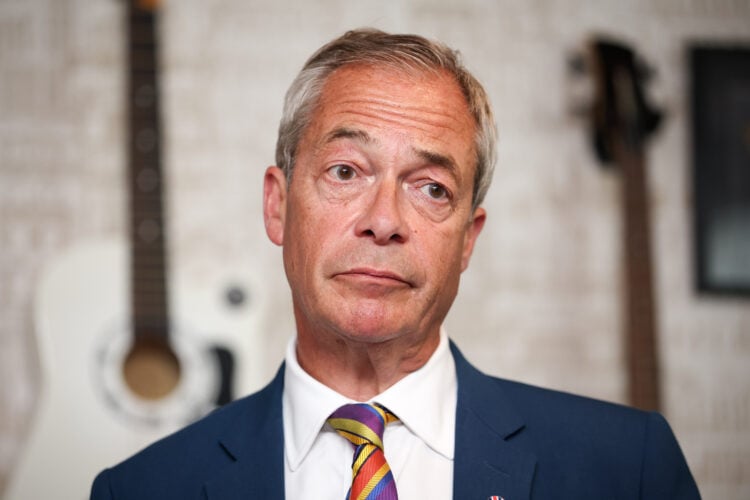
Nigel Farage may have offered to pick up the tab for the Clacton by-election he has triggered, but British taxpayers will still be left footing the bill for his political stunt.
The Reform UK leader announced his resignation as MP for Clacton this week in a bid to “clear his name” over allegations surrounding undeclared financial support and donations, immediately declaring his intention to stand again in the resulting contest.
Critics have branded the move a vanity by-election designed to recast ongoing scrutiny as a battle between Farage and “the establishment”, with Labour and the Conservatives both refusing to field candidates.
Aware of the inevitable questions over cost, Farage claimed Reform UK would cover the expense of holding the vote, which is expected to cost in the region of £200,000.
There is, however, one problem: that’s not how British elections work.
The costs of administering parliamentary elections and by-elections are paid from public funds via central government and are claimed by returning officers through the Elections Claims Unit. Candidates can pay for their own campaigns, but not for the running of the democratic process itself.
In other words, even if Farage wanted to write a cheque, the law would not allow election officials to accept it.
The result is that taxpayers across the country will now be expected to cover the cost of a by-election that exists solely because Farage wants a public vote of confidence in the middle of an investigation into his finances.
Farage may frame the contest as a battle with the establishment.
The invoice, however, will be addressed to everyone else.