


A prisoner who is on hunger strike in support of Palestine Action is losing the ability to speak, campaigners have said.
Heba Muraisi has gone 57 days without food and is one of four activists who are still on hunger strike.
She is being held in HMP New Hall in West Yorkshire while awaiting trial for her alleged role in “direct action” protests for Palestine Action.
Of the four activists still on hunger strike, Muraisi has gone the longest.
READ NEXT: ‘Palestine Action are not terrorists, the law is misguided’ – Neil Kinnock
The Prisoners for Palestine group have said in a statement that she “feels weaker as each day passes.”
In a phone call recorded on Day 53 of her hunger strike, Muraisi said she “can no longer lie on my side as it hurt my face” and that she is losing the ability to “construct sentences.”
“Sometimes I struggle to maintain conversation,” she added.
But Muraisi said she is “still doing well mentally” and that her willpower “hasn’t shifted in the slightest.”
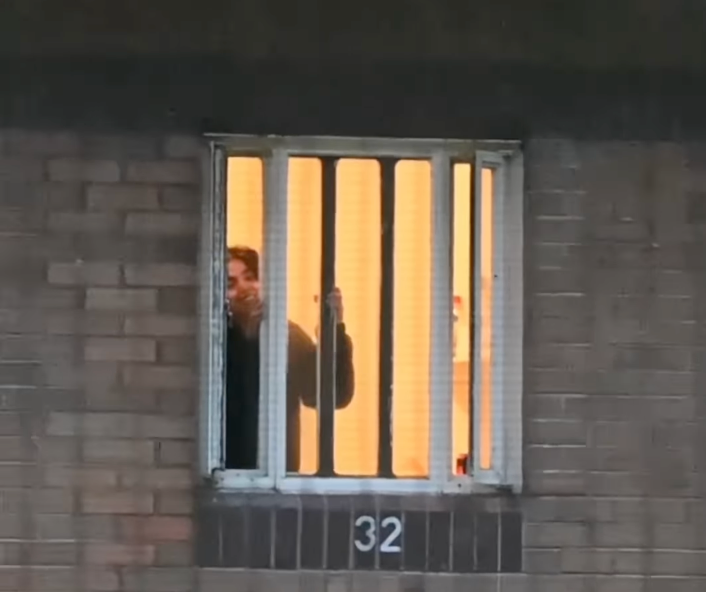
Muraisi was arrested in November 2024 over her alleged role in the raid on Elbit Systems in Bristol, an Israeli weapons manufacturer, which it is alleged caused over £1 million in damage.
Three other Palestine Action members in custody are also accused of playing roles in the break-in. But a trial date is not set until June 2026, meaning they will have spent over a year and a half behind bars without conviction.
Another prisoner still on hunger strike, Teuta Hoxha, has said she is “no longer able to stand without blacking out.” Prisoners for Palestine have said Hoxha, who is on her 52nd day without food and is held at HMP Peterborough, is “virtually bedridden.”
Earlier this month, there were protests at HMP Bronzefield following allegations that Qesser Zuhrah, who went 48 days without food, had been denied an ambulance.
Medical experts have warned the hunger strikers could die without a resolution to the protest.
Lawyers for the group claim the government has abandoned its prison safety policy framework with their handling of the strikers.
Justice secretary David Lammy and the government have faced multiple calls to meet the group, but so far no government representative has done so.
Prisons minister James Timpson has defended the government’s stance, saying: “We are very experienced at dealing with hunger strikes.
“Unfortunately, over the last five years we have averaged over 200 hunger strike incidents every year and the processes that we have are well-established and they work very well – with prisons working alongside our NHS partners every day, making sure our systems are robust and working – and they are.
“I am very clear. I don’t treat any prisoners differently to others. That is why we will not be meeting any prisoners or their representatives. We have a justice system that is based on the separation of powers, and the independent judiciary is the cornerstone of our system.”
Speaking in the Commons earlier this month, justice minister Jake Richards told Jeremy Corbyn the government would not meet with families of the hunger strikers.
The hunger strikers are demanding an end to ‘censorship’ of communication and correspondence in jail, immediate bail, the ‘right to a fair trial,’ the de-proscription of Palestine Action and shutting down Elbit.