

It’s been quite a year for Elon Musk. After riding on the coattails of Donald Trump and his election victory, the tech billionaire has gone from ‘First Buddy’ to ‘second best’ following his departure from DOGE and the decline of Tesla – which has now been overtaken by BYD in electric vehicle sales.
Who are BYD? Chinese firm topples Tesla
The Chinese firm have enjoyed a meteoric rise in recent years, and their surge has taken place at the same time as Tesla’s slump. As the former’s sales increased by almost 8% in the last 12 months, the latter’s plummeted by more than 9%. Suffice to say, it has caught their CEO cold.
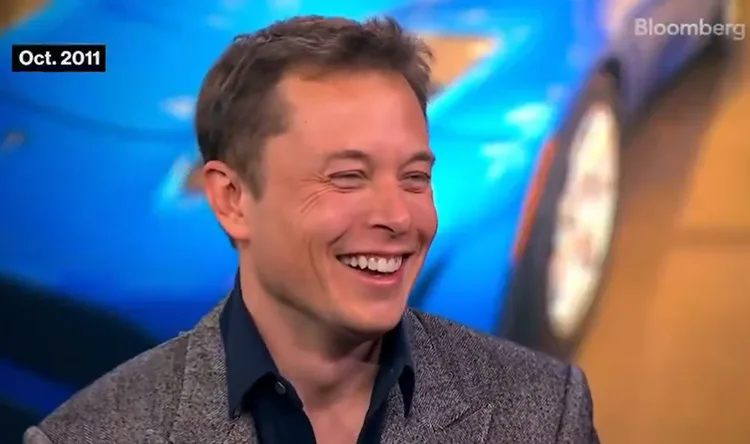
Amid the nitty-gritty of the figures and data, something else has been shared far and wide across social media this week. In 2011, Elon Musk did an interview with Bloomberg, and was questioned about the threat posed by BYD and the quality of the product.
Elon spends most of the clip laughing, before formulating a dismissive response. He told the reporter that BYD ‘do not have an attractive offering’, and claimed that their technology ‘was not very strong’. He also pointed to problems in their domestic market.
WATCH: Elon Musk dismissed threat from BYD in resurfaced interview
Well, 14 years later, those issues which drew a guffaw from the world’s richest man appear to have been firmly resolved. And, given that Elon Musk is such a big fan of legalising comedy, it’s only right that we share the clip below for your viewing pleasure…
This is the second consecutive year in which Tesla sales have declined. Though the margins were more modest in 2024, the drop in 2025 is much more pronounced. And, unfortunately for the 54-year-old, it marks a second major failure of the past 12 months.
Research from the CATO Institute, published last month, concluded that the infamous DOGE unit failed to cut down on state spending in the US. In fact, they assert that there was actually a 6% rise in government expenditure during the course of 2025. Good work, Elon.
“DOGE did not reduce spending. The federal government spent $7.6 trillion in the first 11 months of calendar year 2025, approximately $248 billion higher by November of 2025 compared to the same month in 2024.”
“Cumulative spending in every month of 2025 was greater than in every other year. There is no visible structural break in 2025 spending that coincides with DOGE’s start date. An observer who did not know when DOGE started could not identify it.” | CATO Institute