

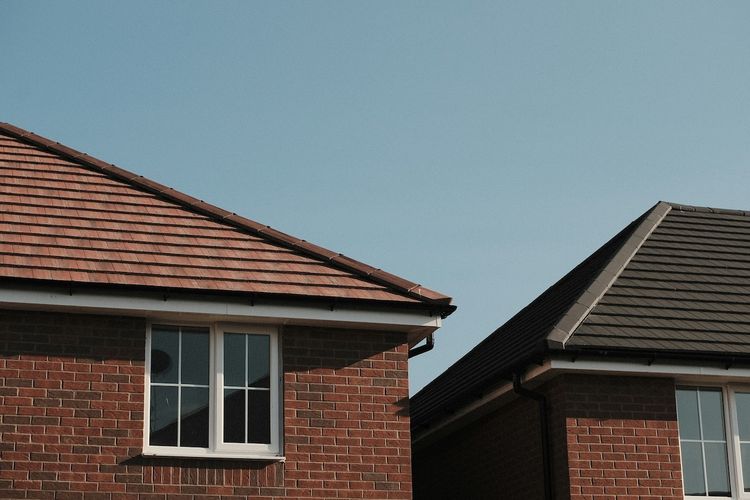
In many UK refurbishment projects, lightweight roofing tiles are often the most practical solution for improving roofs without placing excessive load on existing structures.
The system decreases roof weight while enabling faster installation processes, which simplify complex refurbishment work without requiring complete structural modifications.
You don’t need a “trend”. The roof design must match the existing structure of your building.
Table Of Contents
- The UK roofing industry has seen a growing use of lightweight roofing systems in specific refurbishment scenarios.
- What you should check before you buy
- Where lightweight roofs solve the most challenging work assignments.
- The weatherproofing of a roof depends on three essential components.
- How to make a decision without guessing
The UK Roofing Industry increasingly Uses Lightweight Systems Alongside Traditional Materials
People generally begin their discussions by focusing on physical appearance. A contractor enters your loft space to begin discussing load with you.
The current situation holds great importance. The United Kingdom maintains a large inventory of homes which were constructed using timber dimensions and structural patterns from previous decades. A property requires a loft conversion addition. A property needs an extension addition. Maintenance tasks appear over the following years. The roof structure contains more historical significance than most people understand.
Heavy tiles require engineering checks and reinforcement plans which extend the re-roofing process into additional delays. This does not qualify as drama. It follows the laws of physics. The dead load remains in place every day of the year and through every weather condition.
Lightweight tile systems can directly address specific challenges, particularly those related to structural load. The process involves weight reduction while maintaining the original finish design. The execution of a project changes because of this. The focus shifts toward completing work correctly instead of fighting the building structure.
The exterior design of the roof maintains its proper appearance when viewed from outside.
A roof that weighs less will only be effective when it matches the design preferences of the local community. In many locations, the solution must be permanent rather than temporary. The design should create a tile appearance that matches the house through profile and texture.
In suitable refurbishment scenarios, lightweight systems are often selected due to their practical advantages. The character stays. The load is removed.
The system needs to be finished before speed becomes important
People refer to “fast install” as if it happens by itself. It doesn’t.
Predictability creates speed. A lightweight roof system requires essential components that many homeowners only notice once a leak appears. Fixings. Ridges. Verge and eaves details. Ventilation paths. Flashings that match the profile.
Installing tiles without a complete system pushes risk onto the installer. Fast site schedules and weather pressure create situations where temporary solutions appear, not because of negligence, but because the system leaves gaps.
What You Should Check Before You Buy
Most roofing regrets can be prevented through early inspection of specific elements which help guide decisions before final selection.
Pitch and exposure
Roof design depends on pitch. Exposure determines how hard the roof has to work.
Low-pitch roofs require systems designed for their actual slope. Any product that forces a redesign of the roof just to function should be avoided. A covering should not require rebuilding the structure.
Your roof requires a system which handles wind resistance, rain exposure, and salt exposure through engineered fixings and overlap design.
Fire performance and paperwork
Fire performance and paperwork should be boring and simple.
Building control and insurers care about documentation, not stories. Suppliers must provide fire performance data and installation guidance. Delays cost money. Waiting becomes expensive.
When paperwork is handled properly, projects stay straightforward.
Warranty language
Warranty wording must be precise.
A warranty that promises everything protects nothing. Clear conditions matter. Scope matters. Defined procedures matter.
Read warranties like contracts. Ask direct questions. Who approves installation. What voids coverage. What counts as correct fixing. Vague answers signal risk.
Where Lightweight Roofs Solve The Hardest Jobs
Lightweight systems matter most when the roofline works against you.
Conservatories, garages, and conversions
Conservatory frames were not designed to support heavy roof loads. Former garages often have limited ceiling height. Flat-to-pitch conversions require protection without major structural changes.
In these cases, lightweight systems stop being alternatives and become standard solutions.
They match the structure, limit load, and keep projects within realistic boundaries.
Extensions that sit under upstairs windows
This is common. Extensions often sit below upstairs windows where pitch and headroom are restricted. Raising pitch too much damages proportions and causes planning issues. Low pitches need coverings that work on shallow angles.
Lightweight systems preserve rooflines while achieving a traditional appearance.
The elements which determine weatherproofing capability of a roof system
Most roof failures do not happen in the middle of a tile.
They occur where systems meet.
Valleys. Abutments. Chimney details. Roof-to-wall junctions. Ridges. Edges. Penetrations.
A lightweight roof works only when these details are designed, not improvised.
Trim details and ventilation
Ventilation controls condensation. Condensation damages timber. Timber affects everything.
Ventilation must be treated as a core component. A roof can look fine and still fail long-term if airflow and moisture are ignored.
Fixings and overlap rules
A roof is not just tiles. Wind uplift and water run-off depend on fixing patterns and overlaps.
Clear system rules prevent guessing. Guessing on a roof is expensive.