


Your lower back feels stiff.
Your leg shoots with pain.
Your mood suffers, and deadlines slip away almost unnoticed.
For anyone unaware of your back injury story, your work performance slows down without explanation.
Teams remain “present,” yet business momentum and productivity quietly fade.
Behind it all?
Low-back-related leg pain and naturopathic leg pain caused by herniated disc injuries, excruciating sciatica pain, or the lingering effects of post-surgery discectomies.
In this context, understanding the effectiveness of discectomy procedures is crucial.
Over the course of 2021–2022, 1,688 patients in the UK underwent primary lumbar discectomy procedures within the NHS, highlighting how common this surgery when there is a herniated disc injury.
In September 2024, BMC Musculoskeletal Disorders evaluated the 2009 Hague Spine Intervention Prognostic Study Group (SIPS), led by Mark P. Arts, Ronald Brand, and M. Elske van den Akker.
These percentages highlight both the effectiveness of the discectomy procedure, and the variability patients may experience during early recovery.
Across professional offices in London, pressure to be back quickly after a herniated disc injury has normalised working at reduced capacity.
Presenteeism has become easier to accept than absence.
What is often overlooked is that disc injuries are no longer confined to manual labour.
They are increasingly common among desk-based professionals facing prolonged sitting, hybrid work strain, and sustained cognitive tiredness.
The deeper issue lies in how recovery is judged.
Pain reduction is treated as work readiness when you might not be ready, while true work capacity remains largely unmeasured.
Clinical back pain rehabilitation evidence shows that functional back pain healing lags behind your back pain symptoms.
It means that back rehabilitation timelines are routinely underestimated, leaving herniated disc recovery time estimation as a planning blind spot that quietly undermines workplace back pain productivity and effective return to work after back injury strategies.
Medical Clearance Is Not The Same As Work Readiness
Being medically cleared often means back reinjury risk has reduced, not that your spine returned to true load capacity or you are pain free.
Desk-based work demands sustained sitting, static posture load, and prolonged concentration, stress and pressure on different parts of your spine.
All these things place cumulative stress on a healing spine.
Guidance referenced by the Mayo Clinic consistently notes that recovery must include functional recovery, not just symptom relief.
This means that you must aim to restore the back functions you might have lost.
Think Disc Problems Only Happen to Labourers? Think Again.
Many people assume that herniated or “slipped” discs only affect those with physically demanding jobs.
The truth is anyone can experience a disc injury – regardless of age, occupation, or fitness level.
Consider some well-known examples:
Sir Patrick Stewart, the iconic Star Trek actor, has faced neck and back issues from a young age.
Serena Williams battled back problems yet returned to top-level tennis through careful rehabilitation.
Even politicians like Tony Blair and Johnny Mercer MP have publicly shared their experiences with disc injuries.
Elite athletes are not immune either – Ken Owens, Wales’s 2023 Six Nations captain, was sidelined with a prolapsed neck disc.
TV presenter Matt Baker has also openly dealt with back issues affecting his work.
These stories show one thing clearly: spinal disc injuries are common, and they can impact anyone. If you are experiencing back or neck pain, understanding your body and acting early can make all the difference.
However, many professionals return early to work while still limited in spinal load tolerance, managing short periods of work but struggling across full days.
So, how the herniated discs happens?
Is there a better and safe way to address this?
Jazz Alessi, founder of Personal Training Master and creator of The Spine Method, has over 20 years of hands-on experience supporting people as they return safely from severe back injuries to regular exercise and athletic activity – and “safely” is the key word here.
Drawing on this depth of practical knowledge, he explains:
“Herniated disc recovery could be experienced linearly but, real spine health transformation is not just about pain. What most injured professionals experience is uncertainty plus pain, about how long they can sit, bend, concentrate, how much weight they can lift and carry, pull or push, how much their spine rotate, and what abilities they developed to reclaim their freedom or manage back pressure before pain and spine symptoms return.”
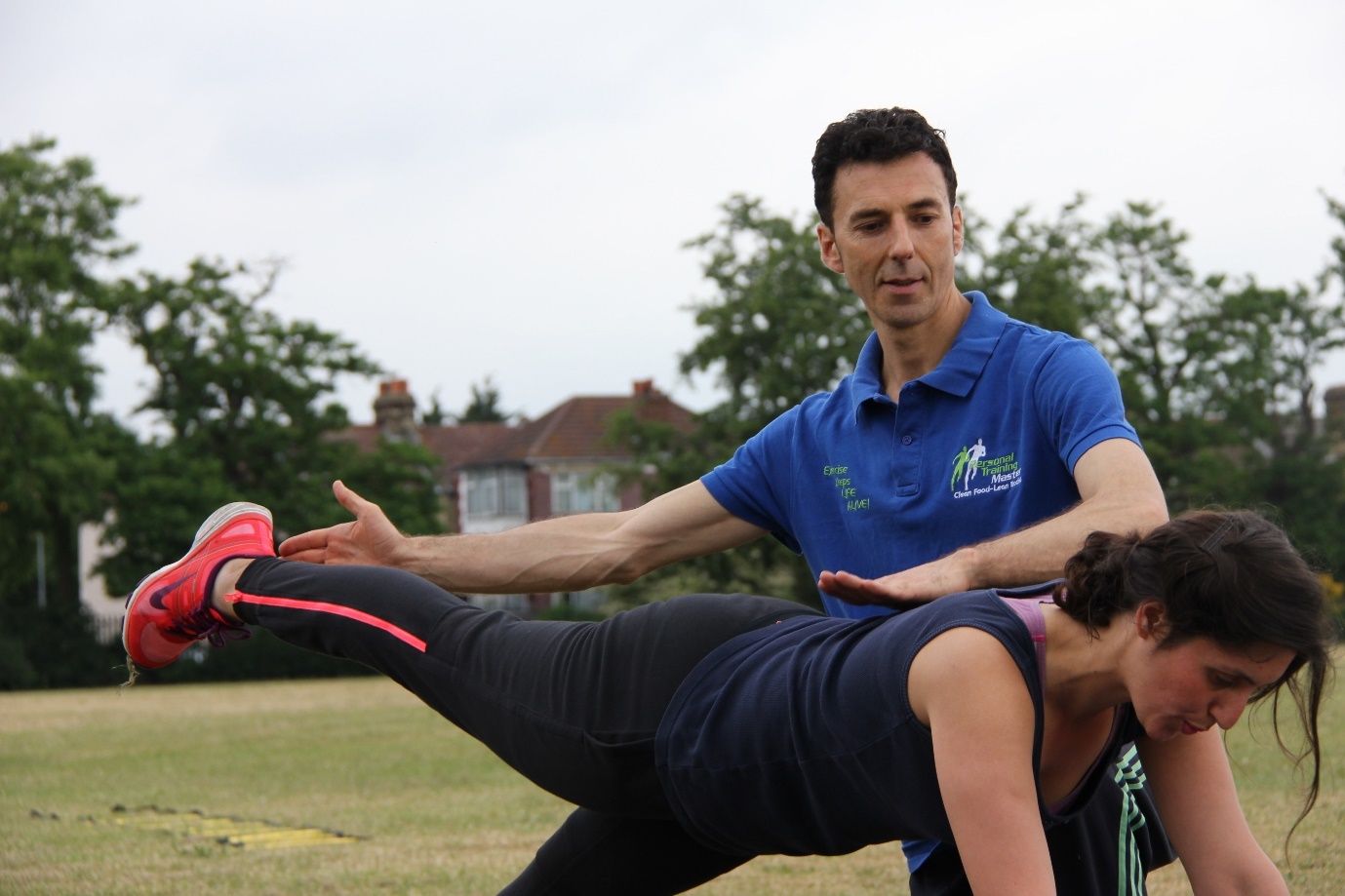
“Sustainable recovery comes from understanding real-world demands and safely rebuilding tolerance to them. That means respecting fatigue, load, and confidence, not just symptoms. When individuals redevelop their spine abilities lost and understand what their body can handle safely without risking injuring themselves, anxiety reduces, movement and performance improve, and your business and work productivity is maximised. Recovery must create predictability, not fear of flare-ups. When confidence returns, people do not just feel better, they are happier, work better and achieve more” continues Jazz.
With the right approach – targeted rehabilitation, professional guidance, and safe training – recovery and a return to normal life are possible.
So, how does this unique approach work in practice?
Jan from London describes his experience reflecting on his profound spine health transformation:
“I built back strength and endurance through training and doing way more than I thought possible. Pain diminished by 85-90 per cent. My overall muscle tone, flexibility and training volume has increased by as much as 300 per cent which I did not expect. I could potentially take up a new sport for example. My work is better because of this.”
What other effects can be observed when you rehab correctly and transform your back health?
I learn that amongst other things the rehab effects are measured precisely breaking them in two categories such as:
- total number of episodes of pain recorded,
- reduction of pain intensity levels
That is it.
So, if the episode of pain decreases by 85 – 95 % and the intensity of the pain you used to experience is also reduced by an 80-95% on a scale from 1 to 10 – now, this might feel around 1 or 2 instead of a 7, 8 or 9, and it is barely perceptible whilst also experiencing most days free of pain.
Michaela M reported transforming her body performance whilst regaining near-full spinal rotation and daily function.
“My back rehabilitation has been very successful. There is at least 85% decrease in total episodes of pain. My overall training intensity has also improved by 65 to 75%. My total fitness endurance has improved by about 70%. My sprint endurance and speed has improved at least by 20 percent. I can take my spinal rotations either to my 99% potential or get at least 70% further than I was able to after the injury. My lower back tension has reduced by 80% and as a long term bonus I experience over 70% reduction of pain intensity levels, said Michaela.”
.Jan and Michaela cases could not be more different.
They highlight the misunderstood disc injury recovery timeline, where pain dramatically improves before true work capacity, regular exercise, physical performance and sitting demands are restored safely and for the long term.
Presenteeism: Working Through Pain At Reduced Capacity
Presenteeism is simple: employees are present but not fully productive. In cases of returning to work with back pain, it appears as slower decision-making, reduced concentration, and avoidance of meetings or travel that increase strain.
Work output performance declines without triggering absence metrics.
Research from the Chartered Institute of Personnel and Development shows that presenteeism, particularly linked to musculoskeletal conditions, costs organisations more than absence.
During incomplete recovery back injury phases, performance loss becomes embedded into daily operations rather than recognised and addressed.
Why Standard Return-To-Work Plans Break Down
Most return-to-work plans rely on fixed timelines and generic adjustments: phased hours, ergonomic chairs, or temporary home working.
For desk-based professionals with herniated disc injuries, this approach often fails.
It assumes spine healing follows a predictable calendar and that reduced hours equal reduced load.
In reality, if you work in an office – stress on the spine is driven by role-specific demands, sitting duration, stress and cognitive intensity and meeting density.
Policy-driven planning overlooks these variables, increasing the risk of back pain relapse work scenarios even after a formal return to work after back injury.
The failure is systemic, not personal.
A Quiet Shift In How Professionals Approach Recovery
A quieter trend is emerging among professionals: seeking predictability, precision, structure, effectiveness and reassurance.
More individuals are prioritising safety, predictability and confidence alongside training helping to transform their spine health resilience and become pain-free.
This has led to increased interest in assessment-led recovery, where progress is guided by comprehensive assessments, laser sharp customisations, safe increase in movement tolerance and role-specific demands.
Instead of rushing timelines, recovery focuses on rebuilding functional confidence through movement assessment, precision, customised spine loading training, and expert trainer-led rehab approaches.
Here are six herniated disc rehabilitation tips from Jazz:
Move Safely to Speed Recovery
Gentle, pain-free movement is key. Long rest slows your spine healing, while safe activity boosts blood flow and delivers nutrients to your spine discs. Assessment based targeted core stabilisation and motor-control exercises have strong evidence for reducing pain and improving your body function.
Strengthen Deep Spinal Muscles
Robust spinal support starts with assessment. Stretch and strengthen the transverse abdominis, multifidus, hip flexors, quadratus lumborum, psoas, piriformis, erector spinae, iliotibial band, iliacus, tensor fasciae latae, and the three glutes’ muscles groups to enhance stability and relieve nerve irritation.
Protect Your Spine Daily
Mind your posture and spine load. Avoid repetitive bending, limit long sitting sessions, and lift safely – never rely on one hand for heavy loads until your strength returns. Small adjustments protect your lumbar spine.
Apply Heat and Cold Strategically
Use temperature therapy wisely. Heat relaxes tight muscles, cold reduces inflammation, and the right timing helps manage pain and stiffness effectively.
Follow a Personalised, Expert Plan
A progressive, tailored rehabilitation plan from an experienced spine rehab trainer always outperforms generic routines. Customised guidance ensures predictability, safe recovery, return to function, maximises your physical performance without risking reinjury and improves your well-being and mental health.
Consult a doctor whenever you need – do not put it off
Do not delay medical advice for suspected disc herniation.
Early medical assessment protects nerve function, informs treatment options, supports effective recovery, and helps maintain long-term spinal health and mobility.
So, where are you living?
Whether you are living in North London, West Hampstead, Central London, Mayfair, Kensington, Canary Wharf, Limehouse, Mile End, Bethnal Green, Swiss Cottage or anywhere across Greater London, your spine health deserves expert attention.
Thanks to modern video technology, accessing world-class guidance has never been easier – whether you prefer online support or in-person a spine injury transformation programme, help is available whenever you need it.
For those in Canary Wharf, Canada square or nearby One Canada square building, specialised approaches like assessment-driven, trainer-led rehabilitation are particularly effective.
This is because they’re delivered through long term collaborations with an expert personal trainer Canary Wharf based and a medical doctor on board to ensure correct assessment, effectiveness, predictability, safety and a successful personalised back pain recovery.
This evidence-based confidence first recovery approach reflects a broader cultural shift away from endurance and towards predictability, sustainable performance and improved mental health.
What Canary Wharf London Business Owners Are Starting To Notice
Business owners across London are observing longer ramp-up periods, recurring flare-ups, and inconsistent performance after return.
HR teams and line managers face growing pressure to balance support with output.
Data from the Health and Safety Executive continues to show musculoskeletal absence as a leading driver of lost productivity.
The operational impact is clear: unresolved back issues extend well beyond sick leave, affecting London workforce health and employee productivity back pain metrics long after formal clearance.
However, providing you know where to look – there is help at hand.
Case insight: when recovery aligns with work demands
London professional can rehab much early following a disc injury when they are determined not to fall behind.
When there is a spine injury within weeks, confidence drops, sitting became guarded, and work output fluctuated.
Shifting to a personalised back rehab programme reframed recovery around real work demands rather than time passed.
Through correct assessments, customised structured progression, tolerance improves and your confidence is back on track.
You will note that once recovery matches your work, everything became more consistent.
These two real-world case studies illustrate how aligning recovery with role-specific demands restores return-to-work confidence and sustained physical performance to the point you might be ready to take up a new sport.
Recovery is becoming a leadership responsibility
Recovery planning is gradually shifting from a personal issue to a leadership concern.
Organisations are recognising that underestimated recovery affects retention, morale, and long-term output.
Embedding recovery frameworks that prioritise sustainable performance reflects a growing prevention mindset.
This evolution supports workforce resilience by reducing recurrence, stabilising productivity, and strengthening trust between employees and leadership.
Conclusion
Across London’s Canary Wharf professional workforce, one finding is consistent: recovery timelines are being underestimated because pain relief is mistaken for readiness.
Awareness is increasing, among professionals, managers, and leaders, that functional capacity lags behind symptoms.
As recovery becomes more structured, assessment and confidence-led, and aligned with real life and performance demands, organisations are beginning to close the gap between being “back” and being fully performant.