

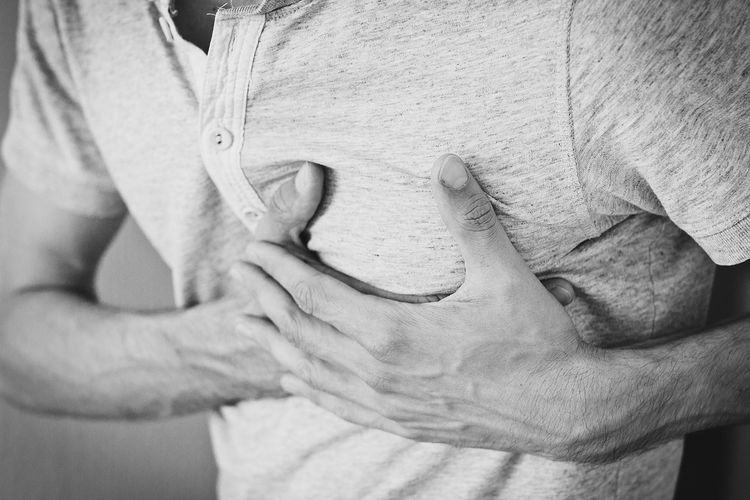
Chest pain is quite a deceptive and annoying problem, isn’t it? Always happening in extremes, it can either be absolutely nothing to worry about or a life-threatening situation. While people usually head straight for a cardiologist in such situations, there can be times when you chalk it up to something simpler than it may be.
The problem is how a delayed or an inappropriate response can put your life at risk – even a bit of hesitation can prove too costly. Keeping that in mind, is there a way to tell whether you need cardiology care or not every single time with no misses? Absolutely, and that’s what this guide will talk about today. So without any further ado, let’s go over some of the most common chest-pain-related situations that warrant immediate medical help.
What are the common causes of chest pain in adults?
When you first experience chest pain, you automatically assume that your heart is the culprit. While that’s certainly plausible, the reality is that chest pain can stem from a surprising variety of sources, both cardiac and non-cardiac.
Coronary artery disease and angina sit at the top of the list. When the arteries supplying blood to your heart end up narrowed or blocked, your heart muscle doesn’t get the amount of oxygen it needs, particularly during physical exertion or stress. The problem then presents itself as pressure or tightness in the chest that only eases with rest.
A heart attack is the next big one. This happens when blood flow to part of your heart muscle becomes completely blocked, usually by a clot. The resulting damage can be severe, and the window for effective treatment is narrow. Less common than this but just as important are conditions like pericarditis (inflammation of the sac around your heart) and myocarditis (inflammation of the heart muscle itself), both of which can cause sharp, persistent pain in the area.
But not all chest pain comes from the heart. Acid reflux and oesophageal spasms can also produce discomfort that feels similar to cardiac pain. In a similar vein, musculoskeletal strains from lifting, poor posture, or even sleeping awkwardly can also cause localised chest wall pain that worsens with movement or deep breathing. Another two causes you should know are anxiety and panic attacks, as they can trigger intense chest tightness, rapid heartbeat, and shortness of breath. Lung problems like pneumonia, pulmonary embolism, or pleurisy are all guilty of causing chest pain severe enough that you feel as if you’re having a heart attack.
The point that ties all this together is: you cannot and should not self-diagnose your chest pain. There is a lot of overlap between smaller health issues and something much more severe, so the stakes are a little too high to manage things by yourself. Even experienced doctors will need you to go through a few tests first to identify your specific issue with certainty. So, with this specific issue, just don’t assume that your symptoms are just a sign of indigestion or stress. That’s a massive gamble, one that is not worth the risk at all.
What chest pain symptoms require urgent attention?
Now that the causes are out of the way, it’s time to look at the specific symptoms they produce and identify the ones that prompt immediate cardiac evaluation.
If you feel pain right in the centre of your chest or slightly towards the left, this is arguably the biggest symptom of cardiac chest pain that you can suffer from. The pain will feel like a knot being tied in your heart or as if someone heavy is sitting on top of your chest. Not to mention, this pain will not go away when you breathe out or relax your lungs and will likely only get worse with time.
In a similar vein, if the pain is radiating outwards, especially to your left arm, neck, jaw, or back, that’s a massive red flag, and you should seek emergency heart care as soon as possible. This is a pattern that doctors associate strongly with many cardiac issues, and your brain can spread this pain to different areas thanks to the shared nerve pathways in our body – so be on the lookout for this one in particular.
Aside from these, there are a few accompanying symptoms that you should also know about. Shortness of breath with chest pain, nausea, sweating, or sudden dizziness are clear signs that there is something amiss with your heart. These symptoms also suggest that your body is under significant stress at the moment and needs help immediately.
Another thing you should look out for is the timing and characteristics of the pain itself. For instance, if you’re suddenly struck with pain, or if it has been getting worse rapidly in the space of a few minutes, that’s a massive cause for concern right there. Then, if it’s a sharp pain instead of a dull tightness, then it may just be another problem and not something heart-related.
Your risk profile also affects how seriously you need to take chest pain. If you have diabetes, high blood pressure, high cholesterol, a smoking history, or a family history of heart disease, you are likely at a higher risk of cardiac events. For people with these issues, even seemingly minor chest discomfort can warrant prompt evaluation.
How do cardiologists evaluate chest pain?
When you first walk in with concerns over chest pain, you’ll notice that a cardiologist will follow a pre-established system to determine the cause of your worries and overall urgency. The process will begin with discussing your health history, followed by a risk-factor evaluation. The doctor will ask how your pain feels, what brings it on, if something makes it better or worse, and how long it’s been happening.
Next, they’ll listen to your heart and lungs, check your blood pressure, and look for any signs related to heart failure or other conditions. While the doctor will likely have a good idea of what’s going on at this stage, they’ll ask you to go through a few diagnostic tests to concretely identify the issue. An ECG (electrocardiogram) is usually first on the list, as it can immediately reveal if your heart muscle is being damaged or if there are disturbances in your heartbeat. If you’ve never had it before, don’t worry, as this one’s a quick, painless, and incredibly informative procedure that shares a lot of information about your heart.
An ECG will be followed by blood tests, specifically one that checks for cardiac enzymes like troponin. When your heart muscle is damaged, it tends to release this protein into your bloodstream. If its levels are elevated, it’s a clear indicator that something serious is happening and needs treatment.
On the occasion that your ECG is unable to tell much about your condition, you may be asked to go through an echocardiogram too. This test is basically an ultrasound for your heart, which shows how well it is functioning and if there are any structural problems with it. You may also be asked to go through a stress test, which checks how your heart is performing under exertion. Last but not least, you may also go through a CT coronary angiography, which will provide detailed images of the coronary arteries themselves, revealing blockages or narrowing.
With all these tests out of the way, your cardiologist will have drawn a conclusive reading of your heart health. Some findings here will warrant an immediate intervention, while others may simply require some lifestyle modifications on your end. Either way, you can rest assured that you’re in safe hands now.
Speaking of safe hands, if you go and seek help through the NHS pipeline, don’t forget that the wait times can be frustratingly long, even for potentially serious symptoms. You may be struggling with chest pain right now, but it will be weeks before you finally have your first appointment, which is with a GP. When it comes to chest pain, that delay can be dangerous.
This is precisely why many people now choose to see a private cardiologist in London. Going private basically means faster appointments, comprehensive testing completed in days rather than months, and direct access to specialists who can provide answers when you need them.
When in doubt, get checked ASAP
At the end of the day, there’s a very simple thing that you need to follow. If you’ve got chest pain, consider its source as your heart until proven otherwise by a doctor. This is the bare minimum that you must absolutely do, as the consequences of missing a heart attack far outweigh the inconvenience of unnecessary investigation. Seeking help on time when it comes to matters of the heart can seriously reduce the risk of permanent damage to your heart. If you’ve got chest pain right now and are reading this, don’t wait to see if it goes away and don’t assume it’s nothing. The stakes are too high, and your heart deserves a lot more than self-diagnosed delays.