


Before Brexit, British people could move across Europe with ease. They could live in Lisbon, work in London, and spend summers in Crete.
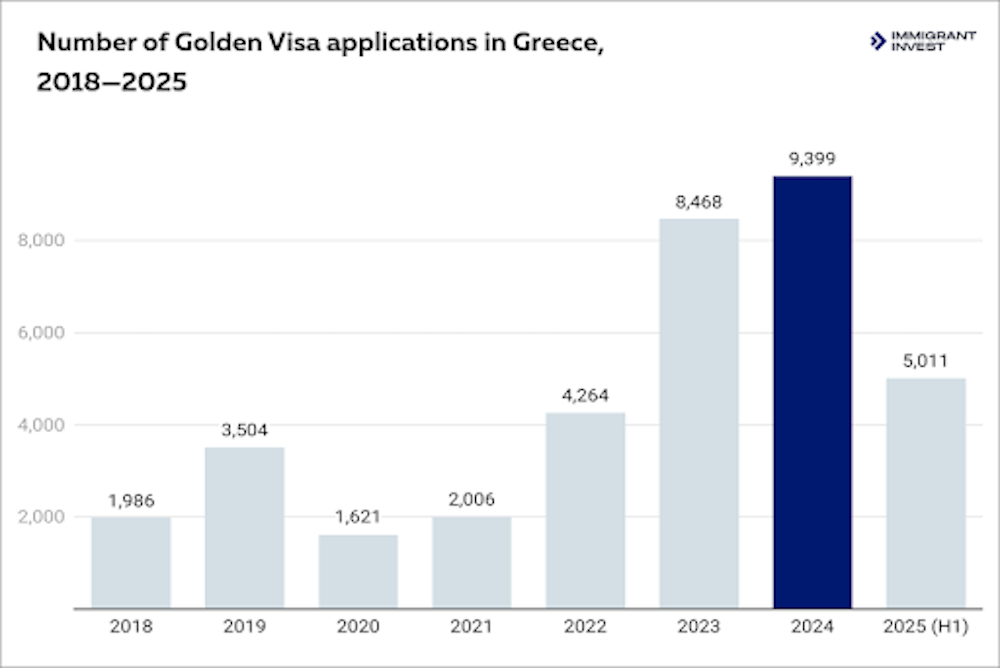
Now British people are limited to 90 days in one 180 in the Schengen Area. To stay longer, they need a residence permit in an EU country. For years, Portugal was the first choice to obtain one. Recently, interest in Greece and its Golden Visa has grown, and several developments help explain this shift.
Changes in Portugal and developments in Greece
Portugal previously offered accessible real estate routes, allowing applicants to purchase residential property in Lisbon, Porto and coastal regions. A series of amendments removed these options, and new applicants now generally qualify through investment funds or other financial instruments.
Greece has also revised its Golden Visa rules but continues to include real estate as an eligible route. The current thresholds of €800,000, €400,000, and €250,000 vary according to property type and location.
The two countries also differ on citizenship timelines. In Portugal, parliament approved a proposal in October 2025 to extend the required residence period for naturalisation from 5 to 10 years. The bill has been returned to the President for further consideration and is not in force.
Greece has not announced changes to its residence or citizenship provisions. Naturalisation remains possible after 7 years of legal residence, subject to language and integration assessments.
Why predictability matters for British investors
Planning post-Brexit mobility. Post-Brexit arrangements require British nationals to choose one country in which to establish long-term EU access. Residence by investment routes often underpin decisions about relocation, extended stays or property use. Amendments to Golden Visa rules can influence these plans and how applicants structure them.
Education and family decisions. Some families consider EU schooling or university options for their children. These choices involve long-term planning, and changes in residence requirements may affect educational and career pathways. Stable administrative conditions help families assess their timelines more clearly.
Property use and long-term strategy. Applicants seeking property-based routes generally look for clarity regarding ownership, rental use and related obligations. Planned uses vary: some purchase holiday homes, others focus on rental opportunities or future relocation. Consistent regulations support planning across these different approaches.
Comparing developments. Portugal offers a high standard of living and continues to operate investment-based residence pathways, though several revisions have adjusted the Golden Visa’s structure. These changes have led some applicants to monitor how the framework may evolve.
Greece currently retains its real estate routes. Living costs differ between the countries, and the 7-year naturalisation timeline remains in place. Applicants assess these factors according to their long-term aims and circumstances.
What Greece’s Golden Visa requires
Greece’s Golden Visa sets age, background, and financial transparency requirements. Applicants must be at least 18, have no serious criminal record and demonstrate legally sourced funds. Spouses or partners, children under 24 and dependent parents of either spouse may also be included.
Real estate remains the primary route, divided across three thresholds:
- €800,000 in prime areas such as the wider Attica region, Thessaloniki, Mykonos, Santorini and islands with more than 3,100 residents;
- €400,000 in other residential zones;
- €250,000 for conversions of commercial property into residential use or for restoring listed buildings.
Additional options include, for example, fund investments from €350,000 and bank deposits of around €500,000.
Greece Golden Visa application process
The process of obtaining the Greece Golden Visa takes at least 4 months and includes the following steps:
- Preparation of documents.
- Obtaining a Greek tax ID number.
- Fulfilment of investment requirements.
- Application.
- Submission of biometrics in Greece.
- Issuance of residence permit cards.
Some applicants work with advisers familiar with Greek immigration procedures, who assist with documentation, investment verification, and coordination with local authorities. Such services are provided by various consulting companies, including Immigrant Invest.