

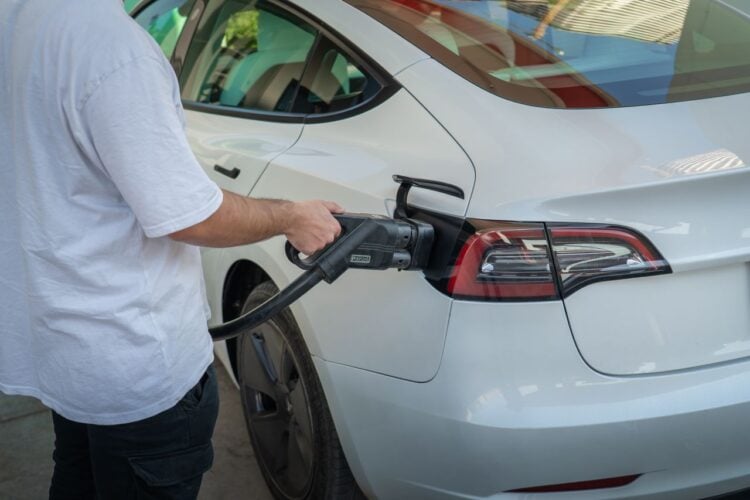
Expanding charging networks, upgrading electrical systems and installing reliable charging points all require significant investment, and those costs are ultimately influencing how drivers approach EV ownership.
At the same time, brands such as Polestar, Tesla and BMW are helping electric vehicles reach a wider audience. As more consumers switch to premium EV models, demand is growing for charging solutions that offer convenience, flexibility and long-term value. This is creating momentum for the aftermarket sector, where drivers can find alternatives to standard manufacturer accessories.
The rise of products such as a Polestar charging cable Voldt® highlights a broader shift in the market. EV owners are not only looking at the vehicle they purchase but also at the equipment needed to make electric driving practical in everyday situations.
Rising charging infrastructure costs are changing EV ownership decisions
The expansion of electric mobility depends heavily on charging infrastructure. Public charging networks require investment in equipment, land, maintenance and grid connections, while private charging installations can involve additional costs depending on a property’s electrical capacity and location.
For businesses and local authorities, expanding charging availability requires careful planning and substantial financial resources. For individual EV owners, the impact is often felt through installation costs, charging subscriptions and the need for additional equipment.
This has changed the conversation around electric vehicles. The initial purchase price of an EV is only part of the overall ownership equation. Drivers are increasingly considering how they will charge their vehicle, what equipment they need and how they can avoid unnecessary costs.
As a result, many consumers are looking for practical solutions that improve their charging experience without requiring expensive upgrades to existing infrastructure.
Why EV owners are turning to aftermarket charging solutions
The growing demand for aftermarket charging equipment is closely linked to the challenges surrounding charging infrastructure. While public charging networks continue to expand, many drivers still rely on home charging as their primary solution. Having the right equipment can make this process more efficient and convenient.
Manufacturer supplied charging accessories are often designed to meet general requirements, but they may not cover every real-world scenario. A driver with a longer driveway, limited parking access or multiple charging locations may need equipment that offers greater flexibility.
This is where aftermarket suppliers are gaining traction. Instead of replacing existing charging infrastructure, these solutions allow EV owners to adapt their setup to their specific needs.
For example, a Polestar charging cable Voldt® can provide additional flexibility for drivers who require different charging arrangements than those offered by standard equipment. The growing interest in these types of products shows that EV ownership is becoming more personalised, with consumers actively searching for solutions that fit their lifestyle.
The growth of Polestar, Tesla and BMW is accelerating demand
The increasing market share of electric vehicle brands such as Polestar, Tesla and BMW is also contributing to the growth of the charging accessory sector. As more premium EVs enter the UK market, owners expect a similar level of quality and convenience from the products that support their vehicles.
These drivers are often willing to invest in solutions that improve the ownership experience. However, they are also becoming more selective, comparing options based on performance, reliability and price rather than automatically choosing manufacturer branded accessories.
This creates opportunities for aftermarket suppliers to compete in a growing market. The focus is shifting from simply providing charging equipment to offering solutions that address specific challenges faced by modern EV owners.
The expanding role of Voldt® UK in the EV accessory market
As charging infrastructure becomes more expensive and complex, specialist providers are becoming an increasingly important part of the EV ecosystem. Companies such as Voldt® UK are responding to demand for charging accessories that focus on usability, durability and compatibility.
The aftermarket market is not replacing vehicle manufacturers or charging networks. Instead, it fills a gap between large-scale infrastructure development and the everyday needs of EV drivers.
This distinction is becoming more relevant as electric vehicles move from early adopters into the mainstream. New EV owners are often less focused on the technology itself and more interested in practical questions: How easy is it to charge? Which equipment do I need? How can I make ownership as convenient as possible?
Specialist charging suppliers help answer these questions by offering products designed around everyday usage rather than a one-size-fits-all approach.
A more flexible future for EV charging in the UK
The rising cost of charging infrastructure is one of the biggest challenges facing the next stage of electric vehicle adoption. However, it is also creating new opportunities for companies developing practical alternatives.
As the UK’s EV market continues to expand, drivers will increasingly look for ways to optimise their charging experience. Accessories such as additional charging cables, replacement equipment and flexible charging solutions will become more important as ownership patterns evolve.
The growth of aftermarket solutions demonstrates that the future of electric mobility is not only about producing more vehicles or installing more charging points. It is also about creating a complete ecosystem that supports the everyday reality of EV ownership.
With brands such as Polestar, Tesla and BMW continuing to increase their presence, and companies such as Voldt® UK providing specialist charging solutions, the aftermarket sector is becoming a valuable part of the UK’s transition to electric driving.