

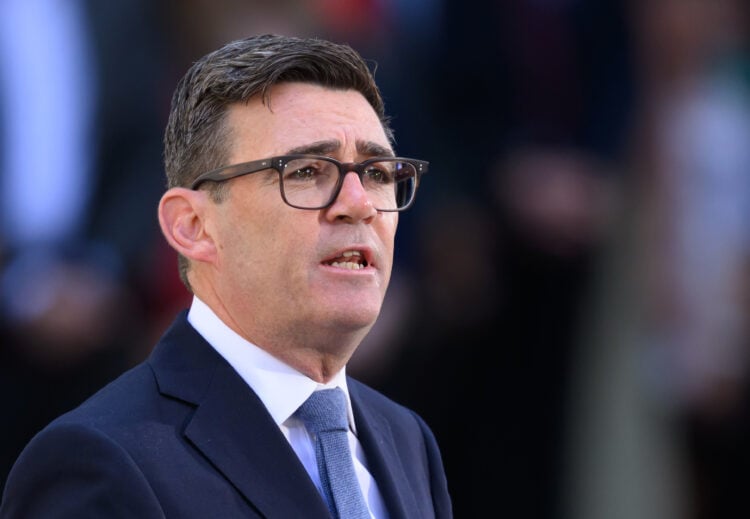
On Tuesday, Andy Burnham will address the Commons as prime minister for the first time, with MPs back at work after the summer recess.
This comes six weeks after Burnham entered up Downing Street, and 16 years after he last stood at the dispatch box as part of a Labour government.
While Downing Street has not given much away, what is known is that he will meet his cabinet before delivering a statement “setting out the direction of his government” and then taking questions from MPs.
READ NEXT: Andy Burnham is giving 15% of his PM’s salary to homelessness charities
Burnham is set to finally come face to face with his political opponents, in the close confines of the chamber, with ranks of Labour members behind him.
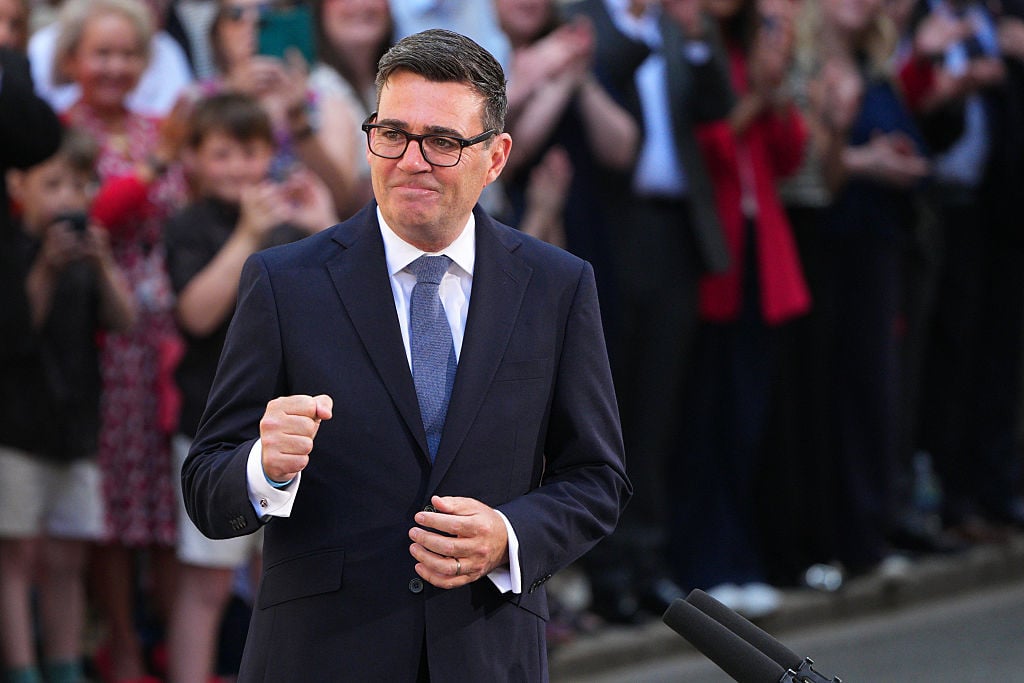
What Burnham is expected to tell MPs
The BBC reports that Burnham’s speech will centre on affordability.
A source told the broadcaster over the weekend that Burnham does not want his government to “stand by and watch on as every bill goes up and up” and he “will promise the country that wherever we can make life more affordable we will”.
That has been the thread running through Burnham’s announcements throughout the summer, all aimed at tackling the cost of living: a £2 cap on bus fares, the removal of VAT from domestic energy bills, and a 20% cut to business rates for pubs, clubs and music venues next year.
Not all of it has landed smoothly, as the Sports Direct founder attacked his “populist” High Street plans, but it has given him a recognisable message to carry into the chamber.
When Burnham became prime minister, MPs were already on their break, leaving him free to tour the country unveiling policies without a weekly interrogation, but that ends on the first day of September.
As everything Andy Burnham has done since coming to power shows, the announcements have come thick and fast.
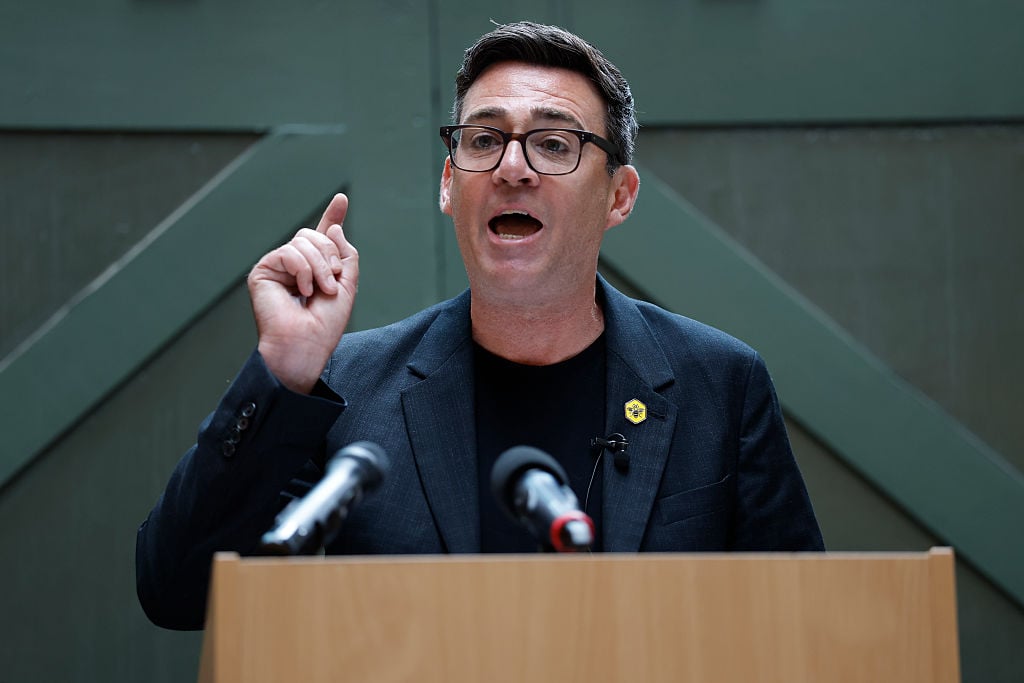
The autumn tests coming for Burnham
The challenges he faces having ousted Keir Starmer begin properly now, and the diary is unforgiving.
His first session of Prime Minister’s Questions comes on Wednesday. Then the party conferences, Chancellor John Healey’s first Budget, and later in the year a further speech setting out his longer-term plans.
Burnham also arrives at the dispatch box with several arguments already on the record, having secured the early prison release changes he wanted, though not without cost.
Meanwhile, the prime minister faces the threat of a rebellion from many Labour MPs over his apparent willingness to allow North Sea oil drilling at Rosebank.
He has also said that, unlike Starmer, he will not vote on the assisted dying bill.
Six weeks of summer goodwill meets its first real test for Burnham, as the pressure of the occasion, the scrutiny, and the deftness with which he handles the attacks, the barbs and the asides will all shape how the public sees him.