

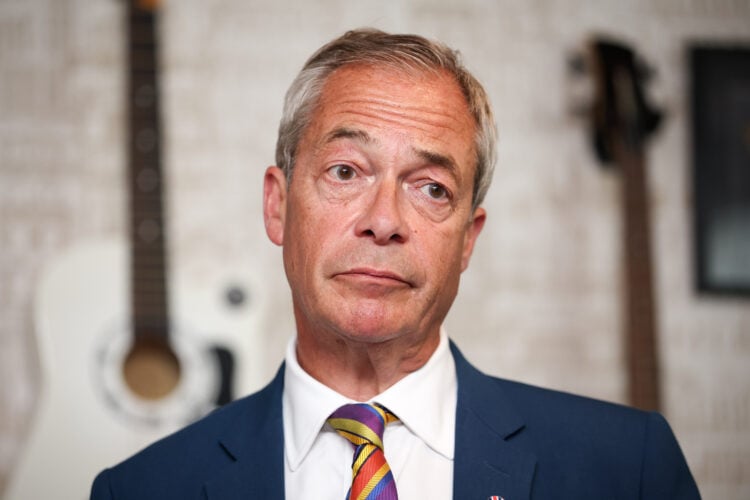
Nigel Farage has been reported to the standards watchdog over whether he privately lobbied the Bank of England over its cryptocurrency policy.
Farage and Reform UK are the biggest crypto cheerleaders in British politics. Whether this has much to do with the £15m crypto billionaire Christopher Harborne has donated to the party or the £5m he gifted Farage in 2024 is up for debate, but Farage is adamant Harborne wanted nothing in return for his remarkable generosity.
But it’s certainly eye-brow raising that Farage used a private meeting with Bank of England governor Andrew Bailey to urge him to drop a cryptocurrency plan that could be costly for Harborne.
READ NEXT: Reform whinge about Nigel Farage being ‘hounded’ over his finances
Farage’s Bank of England meeting
In a meeting at the Bank last September, Farage urged Bailey to drop plans for a state-run ‘Britcoin’, the Guardian reported.
Speaking at a crypto event the month after his meeting with Bailey, Farage said his opposition to the plans was so strong that he’d be “prepared to go to prison” to stop it.
If the Bank of England introduced a state-run digital currency, this would likely affect Harborne due to his significant stake in the company Tether, which issues the world’s most widely traded cryptocurrency. Demand for Tether’s digital cash would likely fall, affecting the company’s profits.
Labour MP Phil Brickell, who is chair of the parliamentary group on anti-corruption and responsible tax, has decided there’s something a bit fishy about all of this.
Labour MPs ask questions
This week, Brickell reported Farage to the standards commissioner, asking him to look into the Reform leader’s interactions with the Bank of England.
Farage is already under investigation from the standards commissioner over whether he should have declared the £5m he received from Harborne in 2024, just months before he was elected MP for Clacton.
Speaking to the Guardian, Brickell said: “Farage took a £5m gift from Christopher Harborne – we know that. We also know that he has since used his platform, both publicly and privately, to advance positions that could benefit Mr Harborne’s crypto interests.
“Before meeting the governor of the Bank of England, Farage openly championed Tether, criticised proposed restrictions on stablecoins and vowed to challenge the Bank’s approach. He has since claimed credit for persuading the Bank to soften its position.”
“This is not simply a debate about cryptocurrency. It is about whether an MP who has received millions from one individual should be lobbying for policies that could increase the value and profitability of that [Reform] donor’s investments. Mr Harborne is a major investor in Tether, a company that stood to gain from the weakening of stablecoin restrictions. Harborne also stood to benefit from opposition to a state-backed digital currency that could compete with private stablecoins.
He added that the public will have questions over whether Farage’s action “are pure coincidence or a case of political influence being exercised on behalf of a billionaire backer.”
Another Labour MP, Joe Powell, has asked Bailey to release details of his meeting with Farage.
In a letter to the governor, Powell said there is “significant public interest in the meeting” and the allegations of lobbying from Farage are “incredibly concerning.”
“If accurate, they raise serious questions about transparency, democracy and the influence of major donors over UK financial policy,” he said.