

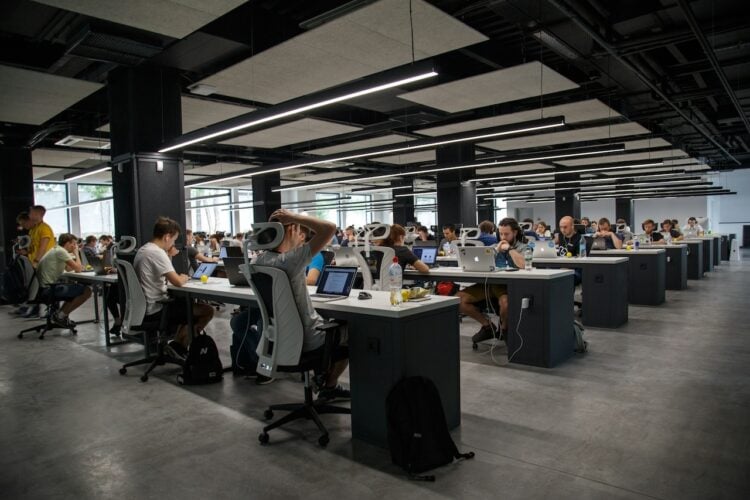
That gap feels particularly relevant in light of research published in July 2026, which found that sitting for more than 30 uninterrupted minutes was associated with a higher risk of cancer mortality, while breaking up sedentary time with light movement appeared to reduce that risk. The study does not prove cause and effect, but it reinforces a broader point that is gaining traction among health researchers: how we recover throughout the day may matter just as much as how hard we work.
For many office workers, exhaustion no longer arrives after lifting heavy loads or spending hours on their feet. It builds quietly instead, through back-to-back meetings, a steady stream of notifications, long stretches of sitting and sustained mental effort. By the end of the day, you may not feel physically drained, yet your body has accumulated what researchers increasingly describe as a recovery deficit: a gap between the stress the body experiences and the opportunity it gets to repair itself.
Productive doesn’t always mean recovered
Unlike the physical fatigue that follows exercise, cognitive fatigue is easy to miss. You might clear your inbox, tick off your to-do list and still feel capable of working another hour. Physiologically, though, your nervous system may still be running in a heightened state.
Recovery depends on several factors working together: quality sleep, regular movement, balanced nutrition and periods in which the body can shift away from its stress response. When one of those pillars is consistently missing, recovery becomes less efficient.
Nutrition is only one part of the picture, but it’s often the one people overlook. Magnesium, for instance, contributes to normal muscle function and the normal functioning of the nervous system, alongside a role in normal energy-yielding metabolism and in the reduction of tiredness and fatigue.
The mineral occurs naturally in foods such as leafy green vegetables, nuts, seeds, wholegrains and pulses, and for most healthy adults a varied diet should provide enough of it. In practice, though, a busy working week doesn’t always make that straightforward, particularly when meals are eaten quickly, skipped altogether or built around convenience rather than variety.
When dietary intake consistently falls short, some people turn to a magnesium complex to support their overall nutritional intake rather than as a substitute for healthy habits such as sleep, movement and a balanced diet.
Different magnesium compounds vary in their chemical structure and elemental magnesium content, which may influence their characteristics in food supplements. For this reason, some formulations combine several forms of magnesium rather than relying on a single compound. The choice of product should be based on individual dietary needs, while maintaining a balanced diet and healthy lifestyle as the foundation of adequate nutrient intake.
The modern office creates stress in unexpected ways
Office work rarely feels physically demanding, yet it exposes the body to a distinctive combination of low-level stressors:
- Long hours of sitting reduce muscular activity.
- Constant screen use keeps attention continuously engaged.
- Frequent interruptions prevent genuine mental recovery.
- Artificial lighting and indoor environments limit exposure to natural daylight.
None of these factors is especially harmful in isolation. Repeated day after day, though, together they can leave people feeling stiff, foggy or tired despite seemingly getting enough sleep.
It’s a bit like charging a phone with a damaged cable: the battery percentage climbs, but never quite reaches 100 per cent. Recovery can behave in much the same way.
Recovery has become an active process
One common misconception is that an evening on the sofa automatically makes up for a sedentary workday. In reality, passive rest and physiological recovery are not always the same thing.
Short movement breaks, exposure to daylight, resistance exercise and consistent sleep routines each send the body different signals that help regulate stress and restore normal function. That aligns with the World Health Organization’s guidance on physical activity, which continues to emphasise that reducing sedentary behaviour and moving regularly throughout the day brings meaningful health benefits, even when those movements are relatively light.
Sleep plays a similar role. The NHS’s own guidance on sleep and tiredness points out that consistent routines and winding down properly before bed can make a measurable difference to how rested the body feels the next day, regardless of how many hours were actually spent asleep.
Rethinking what recovery actually means
The modern workplace has turned physical labour into cognitive labour, but our biology hasn’t evolved at the same pace as our calendars. Feeling productive all day is not the same as giving the body enough chances to recover.
The encouraging part is that recovery isn’t determined by a single perfect intervention. It’s the cumulative effect of small, consistent behaviours: moving more often, sleeping well, eating a balanced diet, and recognising that even desk-based work places real demands on the body. In an era where performance is constantly measured, recovery might be the metric we’ve been overlooking all along.