

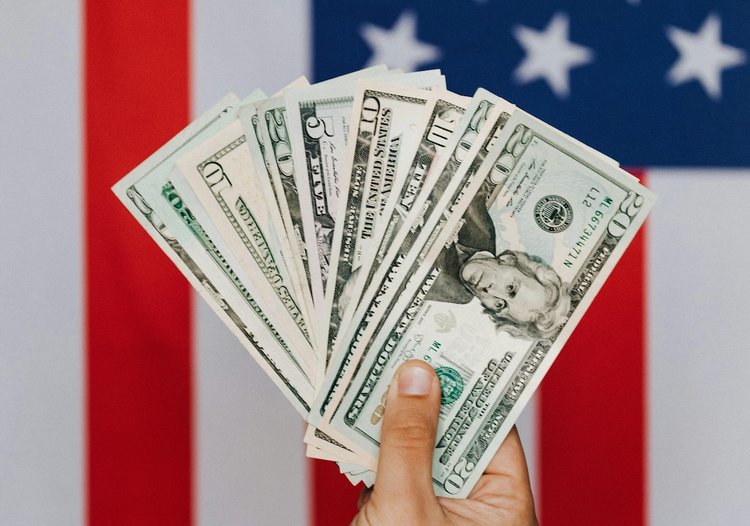
A staggering “trickle up” redistribution of wealth has taken place in the United States over the past half-century, according to new analysis highlighted in a recent commentary on economic inequality and political power.
From 1975 to 2023, around $79 trillion in wealth was transferred from the bottom 90 per cent of Americans to the richest 1 per cent, based on research from RAND cited in the piece. The trend has not slowed. In 2023 alone, $3.9 trillion was effectively siphoned from working Americans to the wealthiest households, an amount that could have delivered roughly a $32,000 pay rise to every full-time worker in the bottom 90 per cent for that year.
The figures underscore a dramatic reversal of the post-war economic model, when growth was more evenly shared across society. Instead, critics argue that decades of policy choices – including tax cuts for the wealthy, deregulation, weakened labour protections and financialisation – have systematically shifted income and wealth upwards.
The consequences extend far beyond inequality statistics. Concentrated wealth also translates into political influence, shaping tax systems, regulation and public spending priorities in ways that can reinforce the same disparities that created it. The commentary links this dynamic to broader democratic risks, warning that extreme wealth concentration can destabilise societies and fuel political polarisation.
Home ownership – historically a primary route to middle-class wealth – has also become less accessible, further entrenching inequality across generations, the article notes.
While the analysis focuses on the United States, the implications resonate globally. Many advanced economies, including the UK, have experienced similar trends of wage stagnation alongside surging asset values and billionaire wealth.
The core message is stark: inequality at today’s scale is not an inevitable outcome of markets, but the product of policy choices. And if policy created the “trickle up” economy, policy can change it.