

There is a noticeable change in how people talk about ageing today. The focus is less on longevity alone and more on independence. Being able to move comfortably, manage daily tasks, and stay physically capable has become a lifestyle priority rather than a medical concern.
This shift is not driven by athletes or fitness culture. It is driven by everyday people who want to remain active in ways that feel realistic and sustainable.
Why Physical Capability Matters More Than Fitness Labels
Fitness often comes with expectations. Performance, intensity, and visible progress dominate the conversation. Physical capability is quieter.
It shows up in small ways:
- Walking confidently without fear of falling
- Carrying shopping without strain
- Standing up after sitting without stiffness
- Keeping balance on uneven ground
These abilities shape quality of life far more than step counts or workout plans.
How Lifestyle Choices Influence Physical Decline Earlier Than Expected
Loss of physical capability does not begin in old age. It often starts much earlier, shaped by routine rather than illness.
Long periods of inactivity, reduced walking, and reliance on convenience slowly weaken muscles and joints. This process is gradual, which is why it often goes unnoticed.
By the time discomfort becomes obvious, habits are already entrenched.
Why Walking Continues to Be Central to Maintaining Independence
Walking remains one of the most effective ways to preserve functional movement. It engages muscles, supports joint health, and reinforces balance.
Unlike structured workouts, walking mirrors real-life movement. It prepares the body for daily tasks rather than isolating muscle groups.
Health professionals consistently return to walking because it supports capability, not performance.
When Lifestyle Realities Change How Walking Happens
Urban living, busy schedules, and physical limitations can change how walking fits into daily life. Outdoor walking is not always practical or comfortable.
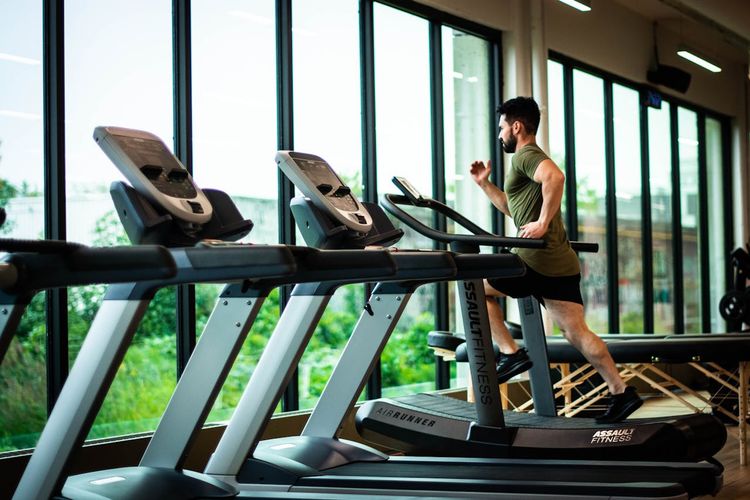
This has led many people to explore indoor options. A treadmill offers a predictable and adjustable way to keep walking habits intact without relying on ideal conditions.
For those looking at a treadmill for sale, the motivation is often long-term function rather than fitness ambition.
Treadmills as Part of a Capability-Focused Routine
In lifestyle settings, treadmills are rarely used for running. They are used for steady, controlled walking.
A uk treadmill allows pace to be adapted as the body changes. Incline can be adjusted or avoided. Sessions can be short and frequent rather than demanding.
A foldable treadmill also fits into homes where space is limited, supporting regular movement without reshaping the household.
How Consistent Walking Supports Balance and Confidence
Balance is one of the first abilities to decline when movement becomes irregular. Confidence often declines alongside it.
Regular walking helps maintain coordination between muscles and joints. Over time, this reduces hesitation in daily movement.
Many people using the best home treadmill uk setups focus less on distance and more on how steady and confident they feel during and after walking.
The Lifestyle Appeal of Controlled Movement
Controlled movement offers reassurance. Knowing that speed can be reduced or stopped immediately encourages consistency.
For this reason, the best treadmills for home uk use are often chosen for comfort and stability rather than advanced features. Quiet operation, ease of access, and reliability matter more than metrics.
Walking becomes something people return to, not something they force themselves to do.
Rethinking Home Fitness as Maintenance, Not Motivation
Motivation fluctuates. Maintenance lasts.
When walking is framed as upkeep rather than effort, it becomes easier to sustain. A treadmill UK households use for this purpose supports continuity when outdoor walking feels less appealing.
This approach aligns more closely with lifestyle health than traditional fitness culture.
A Subtle Habit With Lasting Influence
Maintaining physical capability is rarely dramatic. It is shaped by small, repeatable actions.
Walking, whether outdoors or on a treadmill, reinforces the body’s ability to move with confidence. Over time, this supports independence, reduces discomfort, and preserves quality of life.
For those exploring the best treadmill for home uk routines, the value lies in what remains possible years down the line, not in what can be achieved in a single session.