

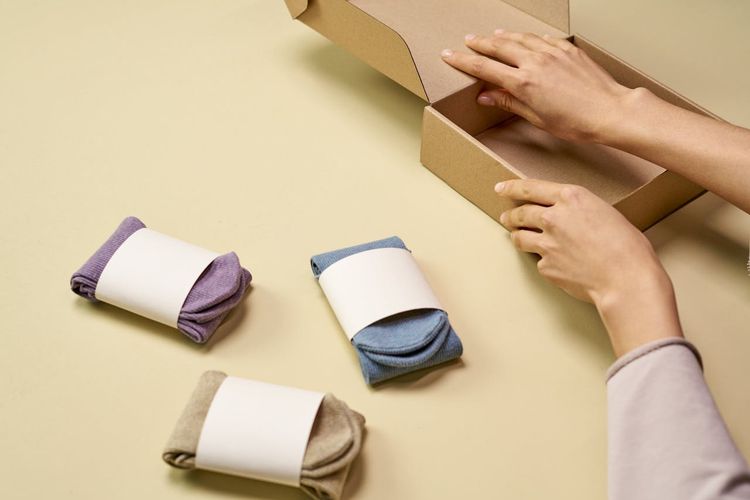
Many entrepreneurs concentrate almost entirely on digital marketing, including SEO, social media ads, and influencers, in the cutthroat world of UK start-ups, where every pound spent counts and visibility can make or break success. However, tangible, promotional items are an effective, affordable tool that is sometimes disregarded.
Why Promotional Products Still Matter for Startups
Tangibility = Trust
In an age dominated by pixels and pop-ups, tangible items cut through the noise. A prospective customer might scroll past yet another ad in seconds but hold a well-designed branded notebook or a durable tote bag, and your brand becomes something real. That physical presence builds not just recall but familiarity and trust.
The Cost-Per-Impression Advantage
Digital ads can vanish with a click, but a branded pen or water bottle stays in use — often for months or years. Compare a single paid ad that delivers one fleeting impression to a mug or reusable bag that gets daily exposure. For budget-conscious founders, that longevity translates to enormous value.
Choosing the Right Low-Cost Items: A Framework for Founders
1. Prioritise Utility
The most effective items aren’t the flashiest — they’re the most useful. Pens, notebooks, tote bags, water bottles, and tech accessories are small investments but deliver repeated exposure because people use them regularly. A startup that gives away useful items gets many more impressions than one that splurges on novelty trinkets.
2. Keep It On-Brand
Merchandise should reflect your brand’s identity. Colours, fonts, tone — everything must align with the wider brand strategy. A minimalist tech startup might opt for monochrome water bottles or sleek notebooks; a more casual lifestyle brand could go for playful tote bags or fun stickers. Consistency reinforces who you are.
3. Think Longevity, Not Novelty
Rather than chasing gimmicks, choose durable materials and practical designs. UK consumers — especially younger ones — increasingly appreciate quality and sustainability. A well-made item builds positive brand associations.
Five Proven Use Cases for Startups (With Real-World Value)
1. Launch Events & Pop-Ups
Thinking of doing a launch party, pop-up shop or attending a trade fair? Handing out tote bags, lanyards or keyrings costs little but creates buzz. Recipients take them home — or share on social media — extending your reach beyond the event.
2. First 100 Customers / Early Adopter Packs
Giving new customers a small welcome kit — a notebook, branded mug or a pen — builds an emotional connection. They feel valued, and the brand becomes part of a positive early memory. That first impression matters.
3. Pitch Meetings & Investor Relations
When you pitch your startup to investors or partners, a small branded notebook or pen can make you memorable — in a subtle, professional way. It sends a message of polish and preparedness, without costing much.
4. Team Culture
Even small teams benefit from a shared identity. Swag packs — T-shirts, mugs, and water bottles — foster unity, company pride, and a sense of belonging. It’s a small investment with outsized symbolic value for start-ups.
5. Partnerships & Collaborations
Collaborate with local businesses, events, or communities. Co-branded merchandise — for example, a tote bag featuring both your logo and a partner’s — helps you tap into new audiences and shows solidarity.
How to Stretch Your Budget: Smart Ordering Tips for Founders
- Start Small — minimise your risk. Don’t buy hundreds of items on day one. Order small batches, test what works, gather feedback, and order more once you know what your audience uses.
- Combine physical with digital. Add QR codes to merchandise linking to your landing page or special offer — turning a simple notebook into a lead generator.
- Look for seasonal and local opportunities. The UK has fairs, festivals, student events, and coworking meetups — all perfect for distributing low-cost brand items.
Mistakes Startups Should Avoid
- Choosing the cheapest possible items without thinking about quality — you risk cheapening your brand too.
- Using overly complicated designs or busy graphics that don’t reflect your brand identity.
- Giving away items that no one really uses — novelty items often end up thrown away.
- Treating merchandise as a standalone tactic rather than part of a broader marketing strategy.
Final Thoughts: Building a Brand That Sticks from Day One
Brand recognition doesn’t require big budgets. It requires smart choices. By investing in useful, well-designed, low-cost merchandise, founders can create repeated, meaningful brand touchpoints — from launch events to everyday use. In a noisy marketplace, tangible items help your brand cut through.
For startups looking to grow steadily and build genuine connections, promotional products remain one of the most cost-effective ways to leave a mark — from day one.