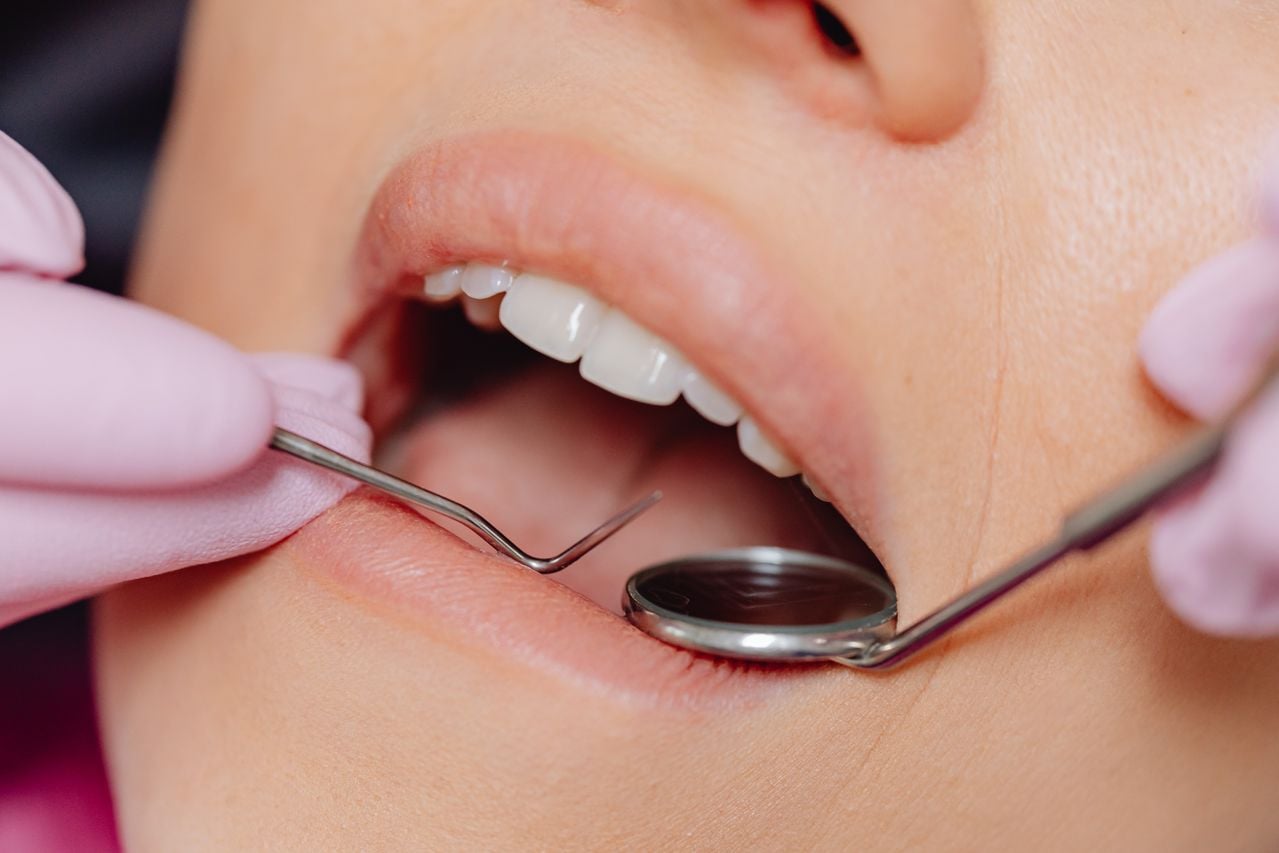
For years, cosmetic dentistry in Turkey has largely been discussed in terms of cost. Advertisements typically focus on the price of veneers, crowns or complete smile makeovers, often alongside accommodation and airport transfers.
Price still matters, particularly when private cosmetic dentistry in the UK can involve a substantial financial commitment. Yet the conversation is gradually becoming more sophisticated. Prospective patients increasingly want to know not only what treatment will cost, but how their smile will be assessed, designed and presented before any permanent work begins.
Digital smile design has become part of that shift. Photographs, digital scans and computer-generated simulations can help dentists and patients discuss proportions, tooth shapes and possible outcomes in greater detail. For international patients, these tools can also make the early stages of treatment planning more informative before a flight is booked.
However, digital planning is not a treatment in itself, nor does an attractive simulation guarantee a successful clinical result. Understanding what the technology can and cannot do is therefore important for anyone considering cosmetic dental treatment abroad.
Digital smile design is a broad term for using digital records and visual-planning tools to examine how proposed dental changes may relate to the rest of the face.
The process can involve facial and dental photographs, video, intraoral scans and diagnostic imaging where clinically appropriate. Software may then be used to assess tooth proportions, gum levels, lip movement and the visible relationship between the smile and facial features.
Some workflows produce a two-dimensional visualisation. Others combine three-dimensional scans with a virtual model of the proposed restorations. Depending on the clinic and treatment, the design may also be transferred into a physical mock-up or temporary “trial smile” that allows the patient to see and discuss the suggested shape before the final restorations are manufactured.
Research reviews describe digital smile design primarily as a communication and treatment-planning aid. It can help patients participate in aesthetic decisions and may improve their understanding of a proposed outcome, although the available evidence varies between techniques and study designs.
A patient receiving treatment close to home can usually return for several assessments before the final procedure. Someone travelling from the UK to Turkey works within a more restricted schedule.
Remote photographs and scans can help a dental team begin discussing the patient’s main concerns before arrival. They may indicate whether the person is broadly interested in whitening, bonding, veneers, crowns or a more extensive smile makeover. They can also help estimate how many appointments and nights abroad might be required.
This early preparation can reduce uncertainty, but it should remain provisional. Photographs cannot reliably identify every clinical issue, and a video consultation cannot replace examination of the teeth, gums and bite. The final treatment plan may change after the dentist has examined the patient in person and reviewed any necessary X-rays or scans.
The General Dental Council advises patients considering treatment overseas that they should be assessed by a qualified dentist before receiving a definitive treatment plan and cost estimate. It also recommends providing a full medical history and discussing the proposed trip with the patient’s usual dentist where possible.
The phrase “Hollywood smile” is often associated with very white, highly symmetrical teeth. Digital smile design can be used to plan that aesthetic, but it can also support a more individual approach.
Tooth length, width, edge shape and shade can be considered alongside facial proportions, age, lip movement and the patient’s existing characteristics. One person may prefer a visibly transformed smile, while another may want only modest correction of uneven shapes, worn edges or discolouration.
Digital previews make it easier to discuss those preferences before treatment begins. Instead of selecting a shade and tooth shape from isolated samples, patients may be able to view how a proposed design relates to their face.
That does not mean the computer should determine the final result. A digitally symmetrical design can still look unnatural if it ignores how real enamel reflects light or if every tooth is made identical. The most convincing cosmetic work often includes subtle variations in shape, translucency and surface texture.
The precise process differs between clinics, technologies and treatments. A typical international workflow may include the following stages:
| Stage | Possible digital tools | What the patient should understand |
| Before travel | Photographs, video consultation, medical history and existing X-rays | Any proposal is preliminary until an in-person examination has taken place |
| Clinical assessment | Intraoral scan, new imaging, gum and bite examination | Oral health and suitability must be confirmed before cosmetic work begins |
| Smile planning | Facial analysis, virtual tooth design or digital mock-up | A preview is a planning aid rather than a guaranteed replica of the final result |
| Preparation and production | Digital impressions, CAD/CAM planning and laboratory fabrication | Materials, preparation requirements and treatment for each tooth should be explained |
| Fitting and review | Fit, bite and aesthetic checks | The patient should approve the appearance and understand maintenance and aftercare |
A digital workflow may improve coordination between the dentist, patient and dental technician. It can also reduce reliance on traditional impression materials in clinics using intraoral scanning. The quality of the outcome, however, still depends on diagnosis, tooth preparation, material selection, laboratory work and clinical execution rather than the software alone.
One of the clearest benefits of digital smile design is communication.
Cosmetic preferences can be difficult to explain in words. Terms such as “natural”, “subtle” or “bright” mean different things to different people. A visual simulation gives the dentist and patient something concrete to discuss.
The patient may notice that a proposed tooth shape feels too square, that the selected shade appears too bright or that a completely symmetrical result does not suit their face. Making those observations during the planning stage is preferable to raising them only after permanent restorations have been bonded.
Digital records can also support communication with a dental laboratory. Measurements, scans and visual references can be shared with the technicians creating veneers or crowns, helping the team work from the same design information.
Recent research has examined whether digital smile design improves patient participation and satisfaction. Findings generally support its value as a visual communication tool, although it remains important not to interpret a positive response to a simulation as proof of clinical success or long-term durability.
A digital image can show what straighter, longer or lighter teeth might look like. It cannot determine by itself whether those changes are healthy or appropriate.
Before veneers or crowns are considered, the dentist may need to assess gum health, tooth decay, existing fillings, enamel condition, root health and signs of grinding. The way the upper and lower teeth meet is also relevant because excessive or poorly distributed forces can affect restorations over time.
In some cases, the safest plan may be different from the most visually dramatic simulation. Gum treatment, orthodontics, whitening or composite bonding may be more appropriate than placing ceramic restorations. A patient may also need fewer treated teeth than a package initially appears to offer.
This is where clinical judgement remains more important than the design software. Technology can help visualise a proposed plan, but the dentist must decide whether the plan preserves sufficient healthy tooth structure and is likely to function properly.
International dental treatment involves more than the procedure itself. Clinics must communicate with patients across countries, collect records remotely, organise treatment around limited travel dates and coordinate laboratory production within a defined timeframe.
Digital systems are well suited to this model. Remote communication can begin before departure, while scans and computer-assisted manufacturing can make the exchange of information between the clinic and laboratory more efficient once the patient arrives.
This does not mean every clinic in Turkey uses the same technology or follows the same planning standards. “Digital smile design” may refer to anything from a basic edited photograph to a more comprehensive workflow involving facial records, three-dimensional scanning, virtual design and physical mock-ups.
Patients should therefore ask what the term means at the specific clinic they are considering. They should also verify that the provider is authorised to treat international patients. Turkey’s Ministry of Health maintains official lists of healthcare providers and facilitators authorised for international health tourism; the current authorised-provider page was updated on 28 July 2026.
A clinic should be able to explain the planning process without suggesting that technology eliminates uncertainty. Useful questions include:
The answers are more informative than the presence of a particular software brand. A sophisticated presentation is of limited value if the clinic cannot clearly explain the diagnosis, alternatives, risks and long-term maintenance.
Digital planning can improve preparation and make the proposed aesthetic result easier to discuss. It may identify obvious concerns before travel and help the clinical team organise a more coherent schedule.
It does not remove the additional considerations associated with treatment abroad. Regulation, complaints procedures, aftercare arrangements and responsibility for remedial work may differ from those in the UK. Patients also need to consider what will happen if treatment takes longer than expected or if a problem develops after returning home.
UK government guidance on planned treatment abroad recommends researching the clinician and facility, understanding aftercare requirements, avoiding decisions based solely on price and arranging specialist insurance that covers the intended procedure. Standard travel insurance may not cover planned dental or cosmetic treatment.
Digital technology should therefore be regarded as one part of due diligence rather than evidence that a clinic or treatment is automatically suitable.
The development of digital smile design is gradually giving patients more to compare than package prices and hotel ratings.
A useful consultation should explain what the dentist has observed, which options are available and why one approach may be preferable to another. It should also make clear which parts of the plan are provisional and what can only be confirmed after an in-person examination.
At Cosmedica Dental in Istanbul, remote assessment and digital planning form part of a personalised smile makeover in Turkey, with the proposed treatment reviewed through clinical examination and diagnostic assessment after arrival.
For prospective patients, the important question is not whether a clinic displays an impressive simulation. It is whether that simulation is supported by a suitable clinical plan, realistic expectations and clearly defined aftercare.
Digital smile design reflects a wider change in dental tourism. Lower prices remain an important reason that UK patients examine treatment in Turkey, but cost alone provides little information about how the work will be planned or whether it is appropriate.
Digital tools can make cosmetic dentistry more visual, collaborative and personalised. They can help patients explain what they want and understand what a dentist is proposing. In an international setting, they can also improve communication before travel.
Yet the final decision still depends on fundamentals that cannot be automated: an accurate diagnosis, conservative treatment where possible, informed consent, qualified clinicians and a workable plan for long-term care.
The most valuable digital smile is therefore not necessarily the most dramatic one on the screen. It is the one that helps the patient and dentist reach a clinically responsible plan before any irreversible treatment begins.
Disclaimer: This article is provided for general informational purposes only and does not constitute medical advice or an endorsement of any clinic, treatment or provider. Anyone considering dental treatment abroad should seek independent clinical advice, research the provider carefully, and ensure they understand the risks, benefits, aftercare arrangements and regulatory framework before proceeding.