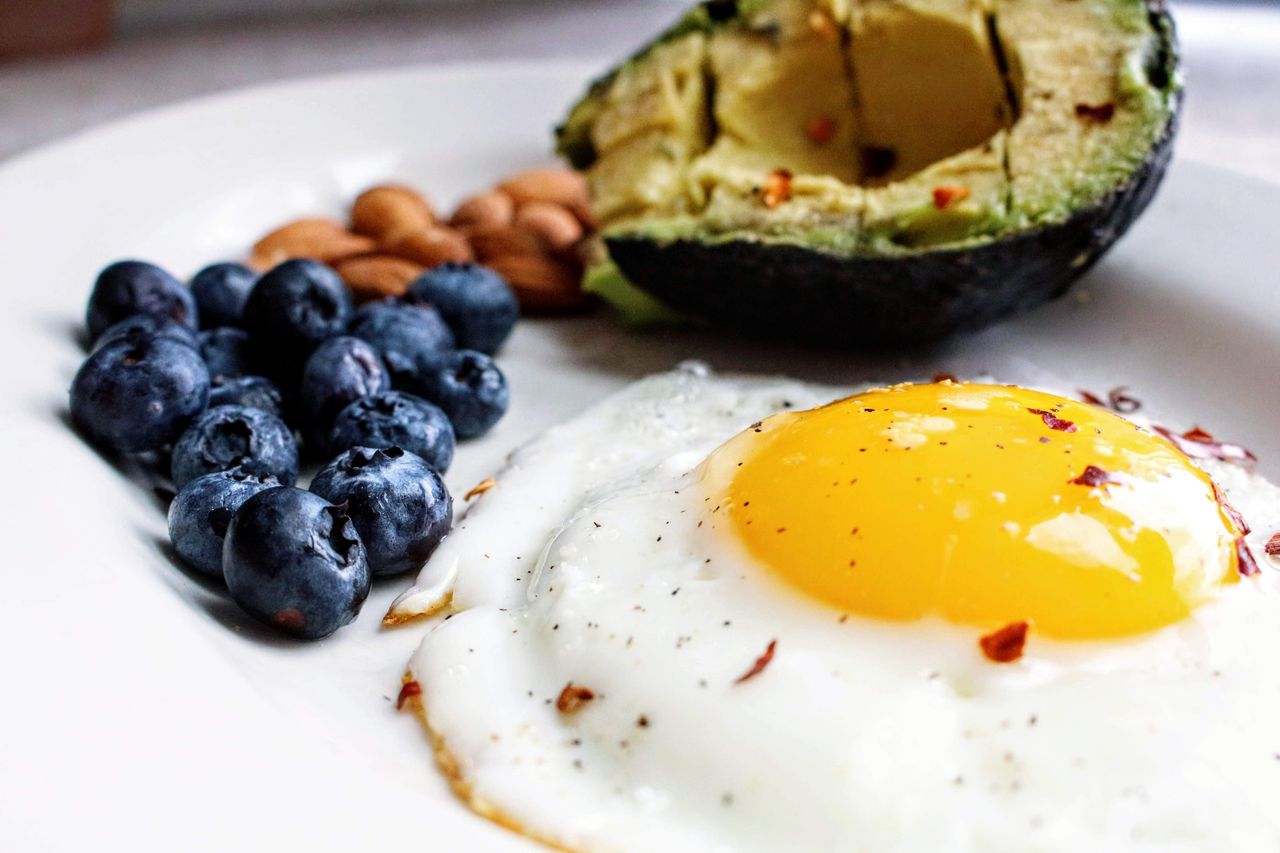
A decade ago, a keto shopping trip meant scouring those shops for almond flour. Today, menu call-outs in London restaurants complete a niche diet’s move into a mainstream grocery category.
The keto diet is simple to describe and famously fiddly to shop for. It cuts carbohydrates right down, keeps protein moderate and makes fat the main part of the plate. On paper that sounds like eggs, cheese and a lot of avocado. In practice, British shoppers wanted their toast, their pasta and their afternoon biscuit back, just without the flour and sugar.
That demand is what reshaped the shelves. The first wave was ingredients: almond flour, coconut flour, psyllium husk and erythritol, usually tucked away on the bottom shelf of the free-from section next to the gluten-free crackers. The second wave was finished products, and with it came brands built entirely around keto. Low-carb wraps, protein-heavy breads, sugar-free chocolate and bags of cheese-based crisps started turning up in the main aisles, often with ‘keto’ or ‘low carb’ printed across the front of the pack.
Labels changed with them. Shoppers who once glanced at the calorie count now turn packs over to read the carbohydrate line, the fibre figure and the list of sweeteners. The phrase ‘net carbs’, borrowed from American packaging, has become part of the vocabulary in British kitchens, even though UK labels already list fibre separately from carbohydrate.
The wider food conversation helped too. The soft drinks levy and the rules in England on where foods high in fat, salt or sugar can be placed in shops pushed sugar into the headlines, and brands responded with reformulated, lower-sugar versions of familiar products. Keto shoppers were not the target of any of that, but they benefited from a supermarket culture that suddenly had a lot more to say about what was in a product.
Online specialists now sell keto breads, MCT oil, exogenous ketones and ketone testing strips from a UK base, alongside the growing own-brand low-carb ranges on supermarket shelves. For a shopper building a low-carb pantry, they carry the items a big supermarket rarely stocks in one place.
The field is increasingly crowded. BeKeto, The Keto Shop and The Skinny Food Co all sell low-carb and low-sugar products to UK customers online, and the supermarkets keep adding own-brand low-carb lines, so the specialist and the mainstream now overlap in a way they did not before.
What the online shops offer is range. A single catalogue can run from keto breads, rolls, bagels, tortillas and pizzas through to bars, chocolates and supplements, which lets shoppers compare a whole category side by side. Free delivery thresholds nudge people towards the big weekly-style basket rather than a single impulse buy.
Reviews do a lot of the selling. The specialist sites carry thousands of verified customer reviews, and the pattern is familiar across the sector. Shoppers read what others say about taste, packaging and delivery before they commit, especially for products they cannot pick up and inspect in a shop.
In London, the physical side of the market lives in independent health-food shops, organic grocers and the free-from aisles of the larger supermarkets. Specialist brands also turn up on the shelves of some local organic shops, which lets shoppers try a single loaf or bar before ordering a full basket online.
London’s restaurants have followed the shoppers, although rarely with the word ‘keto’ on the door. The change shows up in the small print of the menu instead.
It is now common to see a burger offered without the bun, a steak served with a side salad in place of chips, or a curry that comes with cauliflower rice on request. Grills, steakhouses and Middle Eastern restaurants have always been easy territory for low-carb diners, since so much of the menu is grilled meat, fish, halloumi and salads. What is new is how readily kitchens will swap out the potatoes, bread or rice without a raised eyebrow.
Cafes have moved in the same direction. Brunch menus that once revolved around sourdough now offer eggs with avocado, smoked salmon or spinach and no toast at all, and some coffee counters stock a sugar-free syrup or a low-carb bake next to the flapjacks. Menu symbols for vegan and gluten-free dishes paved the way, and a ‘low carb’ marker slots into the same system.
Ordering has become easier too. Diners no longer need to explain the whole diet to a waiter; asking for the dish without the bread or the chips is usually enough, and many menus now invite that swap in writing. Sauces and dressings remain the grey area, since a glaze or a marinade can carry sugar that nobody mentions, so the more careful low-carb diners still ask.
For diners, the result is less about dedicated keto restaurants and more about flexibility. A keto eater can now book almost anywhere and find something to order, which is exactly how a niche diet becomes part of the mainstream.
Is keto still growing? The best evidence is on the shelves rather than in any single headline. Products that began in specialist shops keep appearing in mainstream aisles, supermarket own-brand ranges keep adding low-carb lines, and the online specialists keep widening their catalogues.
What is driving the demand is a mix of habits rather than one trend. Shoppers read labels more closely than they used to, sugar has become something people actively check for, and home cooks want familiar foods such as bread, pasta and chocolate in low-carb versions rather than giving them up.
Expect the next phase to look more like a normal grocery category and less like a diet. That means more own-brand lines, clearer carbohydrate figures on the front of packs and more restaurants treating a low-carb swap as routine. Specialists will compete on range and know-how, while supermarkets compete on price and convenience. Several of them, BeKeto included, now publish keto recipes next to their products, a sign that the online shops see themselves as a source of ideas as much as a place to order.
The almond-flour hunt of ten years ago already feels like a period piece. For London shoppers, keto is now simply one more way to fill a basket.